THE ADVENTURE COLLECTIVE® · Independent discovery and booking for outdoor travel

Walk the preserved Nakasendo between Magome and Tsumago on a full-day private tour that combines forested passes, Edo-period post towns, sake tasting, and a tea-ceremony cultural stop. Expect 7–8 hours of mixed-terrain hiking with regular rests in historic teahouses.
Walk the preserved Nakasendo between Magome and Tsumago on a full-day private tour that combines forested passes, Edo-period post towns, sake tasting, and a tea-ceremony cultural stop. Expect 7–8 hours of mixed-terrain hiking with regular rests in historic teahouses.
Fog lifts off the rice terraces as you step through a wooden gateway in Magome and the past opens up before you — stone pavements, steep lanes, and the steady rhythm of a route once walked by samurai. The Nakasendo here threads ridge lines and river valleys between Magomejuku and Tsumagojuku, offering forested climbs, a cool pass, and pockets of Edo-period architecture that feel remarkably intact.
Verified experiences and guided adventures in the surrounding area.
Operated by H.I.S.Co., Ltd. · Magome, Gifu Prefecture
Fog lifts off the rice terraces as you step through a wooden gateway in Magome and the past opens up before you — stone pavements, steep lanes, and the steady rhythm of a route once walked by samurai. The Nakasendo here threads ridge lines and river valleys between Magomejuku and Tsumagojuku, offering forested climbs, a cool pass, and pockets of Edo-period architecture that feel remarkably intact.
The trail follows a spine of Japan’s inland route between Edo (Tokyo) and Kyoto; these post towns prospered as waystations for merchants and officials. Geologically the Kiso Valley is carved from granite and sedimentary terraces, producing steep slopes, quick-draining soil, and clear mountain streams that push the winter melt toward the Kiso River.
Culturally the route is low-key: tea houses, a small museum in Tsumago, and temple spaces where you can join a tea ceremony demonstration. The private tour typically includes a local guide, a sake stop, and a chance to practice sado (tea ceremony) at Iouji Temple — practical ways to read the area’s living history.
Expect 7–8 hours on a mixed-terrain path: stone steps, packed dirt, and short paved stretches. Pace yourself on the Magome Pass climb, hydrate at village teahouses, and plan for variable weather; summer brings humidity, autumn brings reliable views. Bring supportive footwear, layered clothing, and cash for small shops and museum admission. The route rewards steady, attentive hiking — each switchback gives way to a view, each village offers a moment to rest and learn.
moderate.
7–8 hours.
Good steady cardio and leg strength needed for prolonged climbs and descents; comfortable carrying a daypack.
The walking portion between Magome and Tsumago typically takes 2–4 hours depending on pace and stops; the full private tour runs about 7–8 hours including transfers and cultural visits.
The route is family-friendly but includes steep sections and many stone steps; children and older adults should be reasonably fit and take frequent rests.
Meals are not usually included; the tour stops at teahouses and local eateries where you can buy lunches and snacks.
You can hike independently, but a licensed English guide adds historical context, handles logistics (buses/transfers), and arranges cultural experiences like sake tasting and tea ceremony.
The Nakasendo was a primary inland highway in the Edo period linking Edo and Kyoto; these post towns developed as regulated waystations for officials and merchants.
Local efforts focus on preserving wooden buildings and stone pavements; visitors are asked to stay on paths, avoid littering, and support small village businesses.
H.I.S.Co., Ltd. operates guided outdoor trips and adventures with an emphasis on safety, stewardship, and memorable experiences.
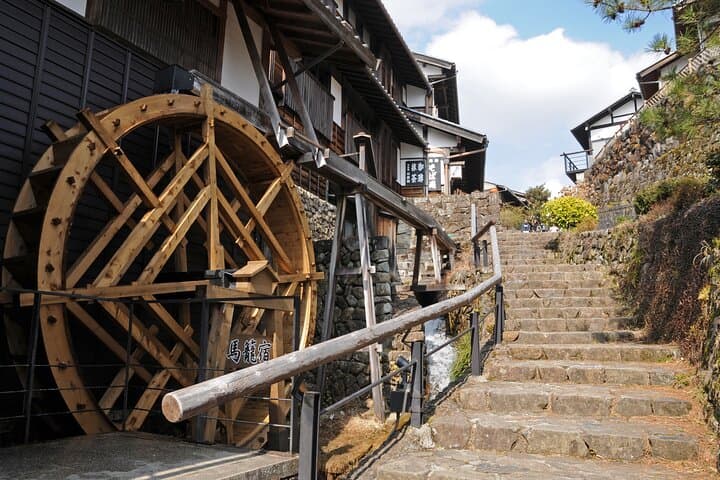
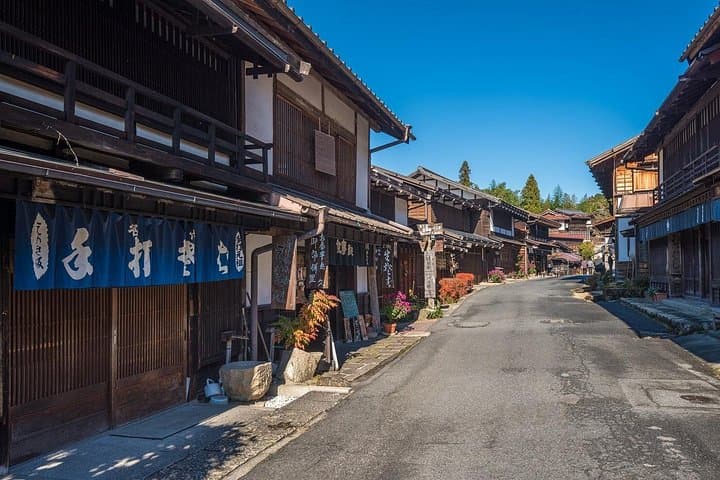
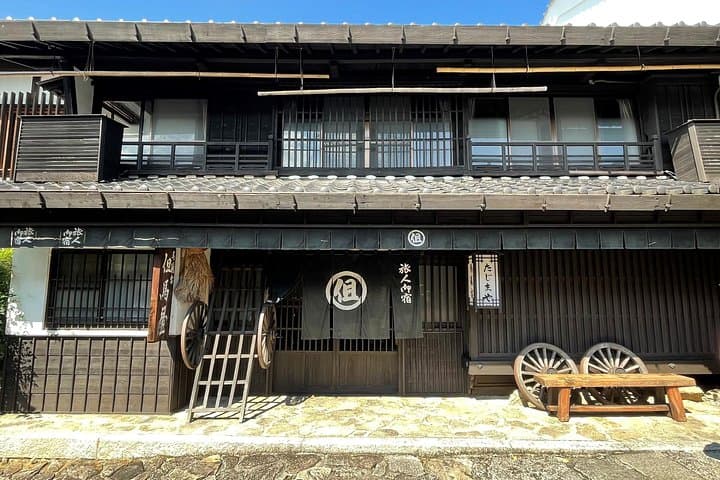
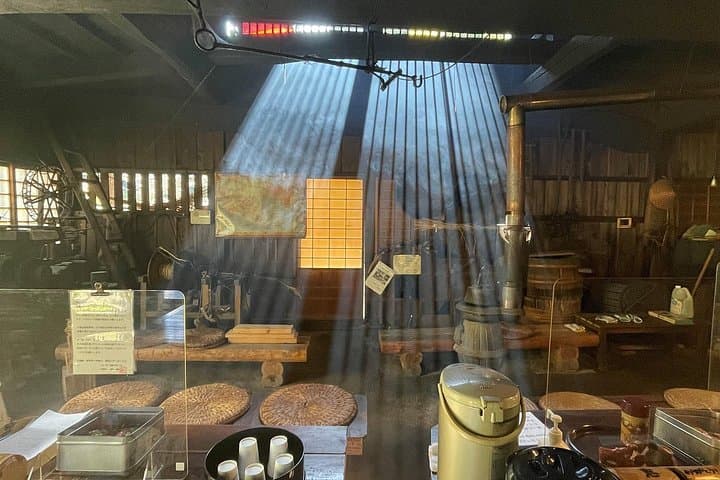
Fog lifts off the rice terraces as you step through a wooden gateway in Magome and the past opens up before you — stone pavements, steep lanes, and the steady rhythm of a route once walked by samurai. The Nakasendo here threads ridge lines and river valleys between Magomejuku and Tsumagojuku, offering forested climbs, a cool pass, and pockets of Edo-period architecture that feel remarkably intact.
Fog lifts off the rice terraces as you step through a wooden gateway in Magome and the past opens up before you — stone pavements, steep lanes, and the steady rhythm of a route once walked by samurai. The Nakasendo here threads ridge lines and river valleys between Magomejuku and Tsumagojuku, offering forested climbs, a cool pass, and pockets of Edo-period architecture that feel remarkably intact.
The trail follows a spine of Japan’s inland route between Edo (Tokyo) and Kyoto; these post towns prospered as waystations for merchants and officials. Geologically the Kiso Valley is carved from granite and sedimentary terraces, producing steep slopes, quick-draining soil, and clear mountain streams that push the winter melt toward the Kiso River.
Culturally the route is low-key: tea houses, a small museum in Tsumago, and temple spaces where you can join a tea ceremony demonstration. The private tour typically includes a local guide, a sake stop, and a chance to practice sado (tea ceremony) at Iouji Temple — practical ways to read the area’s living history.
Expect 7–8 hours on a mixed-terrain path: stone steps, packed dirt, and short paved stretches. Pace yourself on the Magome Pass climb, hydrate at village teahouses, and plan for variable weather; summer brings humidity, autumn brings reliable views. Bring supportive footwear, layered clothing, and cash for small shops and museum admission. The route rewards steady, attentive hiking — each switchback gives way to a view, each village offers a moment to rest and learn.