THE ADVENTURE COLLECTIVE® · Independent discovery and booking for outdoor travel

A full-day drive from Muscat takes you from palm-lined Birkat Al Mouz to the cool terraces of Jebel Akhdar. Hike village paths, peer over canyon rims and learn how ancient falaj irrigation shapes life on the Green Mountain.
A full-day drive from Muscat takes you from palm-lined Birkat Al Mouz to the cool terraces of Jebel Akhdar. Hike village paths, peer over canyon rims and learn how ancient falaj irrigation shapes life on the Green Mountain.
You step out of your Muscat hotel into a still, sun-soft morning and the highway opens toward the highlands. The first stretch of the day runs through date palm groves at Birkat Al Mouz: a short walk from the mosque drops you into Harat Al Sibani where mud-brick houses and old falaj channels trace lines of local life.
Verified experiences and guided adventures in the surrounding area.
Operated by Majan Views Tourism · Nizwa, Ad Dakhiliyah
You step out of your Muscat hotel into a still, sun-soft morning and the highway opens toward the highlands. The first stretch of the day runs through date palm groves at Birkat Al Mouz: a short walk from the mosque drops you into Harat Al Sibani where mud-brick houses and old falaj channels trace lines of local life.
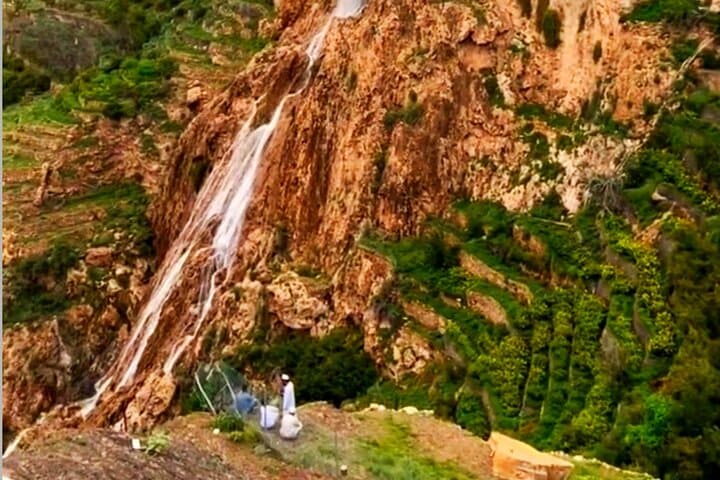
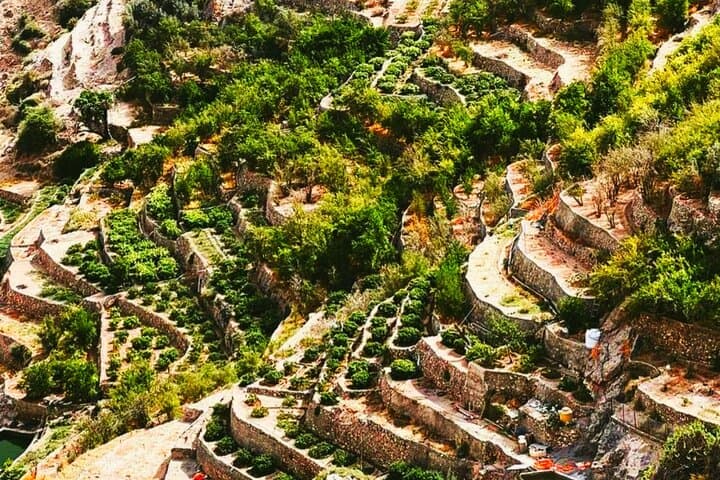
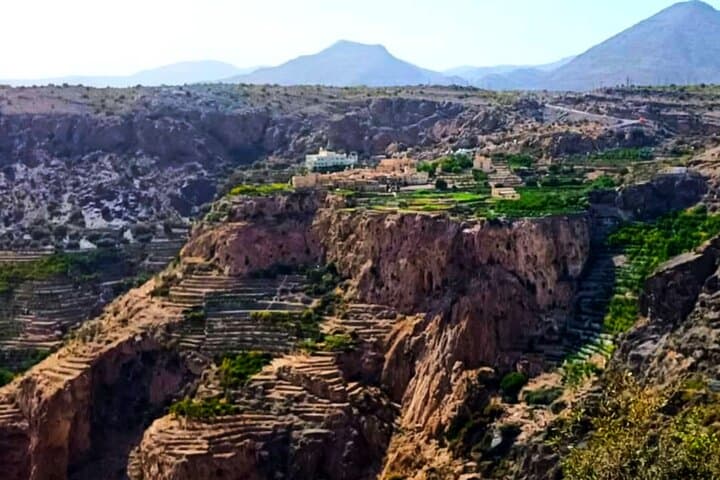
By mid-morning the road climbs onto the Saiq Plateau—Jebel Akhdar, the Green Mountain—where terraces cling to steep slopes and a dry canyon cuts the range. Geologically the area is part of the Hajar Mountains, uplifted limestone and ophiolite that squeeze rain into narrow gullies; historically these villages were strategic summer settlements where irrigation systems (falaj) allowed fruit and pomegranate trees to thrive. Culture here is rural Omani; you’ll pass villagers tending terraces and may hear the measured cadence of local Arabic.
Expect 6–8 hours total with multiple short walks between viewpoints and villages, uneven rocky trails, and stone steps into Wadi Bani Habib. A guide interprets terraces and irrigation systems and times the walking so you catch cool plateau air and panoramic canyon views.
Practical side: wear sturdy footwear, layer for variable temperatures (plateau can be 10–15°C cooler than lowlands), carry 1–2 liters of water and sunscreen, and be ready for short steep climbs and loose scree underfoot. Photographers should keep a wide-angle for canyon panoramas and a lens for village details. The route suits travelers with moderate fitness; altitude and narrow paths require steady footing.
moderate.
6–8 hours.
Good general fitness; able to do several short hikes, manage uneven terrain and some elevation change.
Expect roughly 1.5–2.5 hours each way depending on traffic and exact pickup point; tour duration including walks is about 6–8 hours.
Walks are short to moderate with uneven terrain and some steep sections—suitable for those with moderate fitness but not recommended for people with significant mobility issues.
The trip typically includes light snacks; full meals are not included so plan for any dietary needs or a return meal in Muscat or Nizwa.
No special permits are required for village walks and plateau viewpoints, but always follow the guide’s instructions and respect private property.
The area’s falaj irrigation and terraced agriculture date back centuries and supported seasonal mountain settlements used for summer grazing and fruit production.
Visitors should stick to paths, avoid disturbing terraces and carry out waste; water is a scarce resource and local communities manage falaj systems carefully.
Majan Views Tourism operates guided outdoor trips and adventures with an emphasis on safety, stewardship, and memorable experiences.
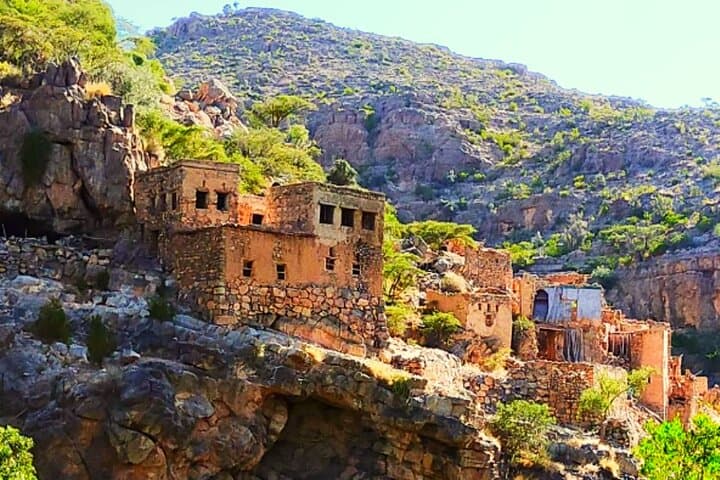
You step out of your Muscat hotel into a still, sun-soft morning and the highway opens toward the highlands. The first stretch of the day runs through date palm groves at Birkat Al Mouz: a short walk from the mosque drops you into Harat Al Sibani where mud-brick houses and old falaj channels trace lines of local life.
You step out of your Muscat hotel into a still, sun-soft morning and the highway opens toward the highlands. The first stretch of the day runs through date palm groves at Birkat Al Mouz: a short walk from the mosque drops you into Harat Al Sibani where mud-brick houses and old falaj channels trace lines of local life.
By mid-morning the road climbs onto the Saiq Plateau—Jebel Akhdar, the Green Mountain—where terraces cling to steep slopes and a dry canyon cuts the range. Geologically the area is part of the Hajar Mountains, uplifted limestone and ophiolite that squeeze rain into narrow gullies; historically these villages were strategic summer settlements where irrigation systems (falaj) allowed fruit and pomegranate trees to thrive. Culture here is rural Omani; you’ll pass villagers tending terraces and may hear the measured cadence of local Arabic.
Expect 6–8 hours total with multiple short walks between viewpoints and villages, uneven rocky trails, and stone steps into Wadi Bani Habib. A guide interprets terraces and irrigation systems and times the walking so you catch cool plateau air and panoramic canyon views.
Practical side: wear sturdy footwear, layer for variable temperatures (plateau can be 10–15°C cooler than lowlands), carry 1–2 liters of water and sunscreen, and be ready for short steep climbs and loose scree underfoot. Photographers should keep a wide-angle for canyon panoramas and a lens for village details. The route suits travelers with moderate fitness; altitude and narrow paths require steady footing.