THE ADVENTURE COLLECTIVE® · Independent discovery and booking for outdoor travel

Walk the pilgrim route from Delphi through perennial olive groves to the coastline near Aggali. This 3-hour guided hike pairs ancient history with hands-on olive-farming insights and sweeping valley views.
Walk the pilgrim route from Delphi through perennial olive groves to the coastline near Aggali. This 3-hour guided hike pairs ancient history with hands-on olive-farming insights and sweeping valley views.
You leave Delphi’s stone terraces behind and step onto a footpath that has carried pilgrims for millennia. The track winds down through low scrub and tiers of silver-green olive trees; the air carries a sharp, resinous scent and the valley opens like a map below, the Gulf of Corinth glinting at the horizon.
Verified experiences and guided adventures in the surrounding area.
Operated by Delphian Paths · Delphi, Phocis
You leave Delphi’s stone terraces behind and step onto a footpath that has carried pilgrims for millennia. The track winds down through low scrub and tiers of silver-green olive trees; the air carries a sharp, resinous scent and the valley opens like a map below, the Gulf of Corinth glinting at the horizon.
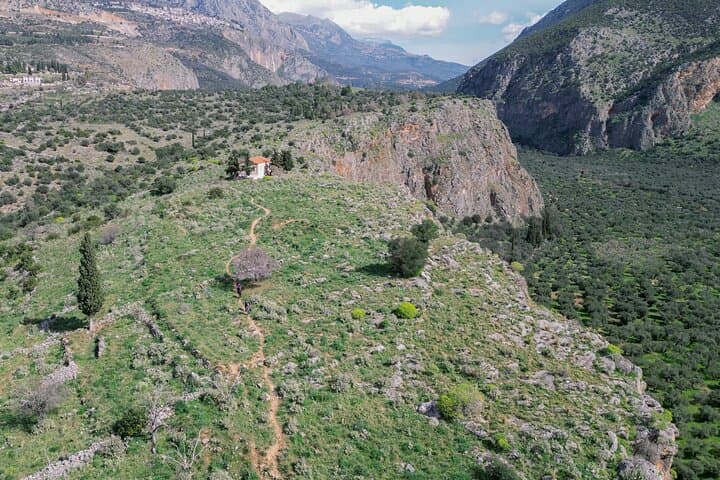
This route follows part of the pilgrim way that led to the Oracle of Delphi. Geologically, you’ll cross limestone ridges carved by seasonal streams, with terraces cut into slopes for olive cultivation. The villages—Delphi, the traditional hamlet of Chriso, and the coastal fringe at Aggali—show layers of human use: stone chapels, mule tracks, and dry-stone walls that age into the landscape.
Local guides link myth and agriculture: stories of supplicants meet practical lessons about pruning, harvest cycles and olive varieties. The walk is short but varied—rocky pitches, shaded grove sections, and open viewpoints—so expect footing that alternates between packed earth and loose stones.
Practical guidance: this 3-hour, 6–8 km outing is rated easy for most hikers but bring stable footwear and 1–1.5 liters of water. Start in the morning to avoid strong sun and to see the valley light shift; a light wind often comes off the gulf and stirs the olives as if the trees are nudging you onward. The experience blends history with hands-on learning—interactive quests and small competitions add a playful edge—but the trail’s enduring character is the real prize.
easy.
3 hours.
Suitable for most people with light aerobic fitness; able to walk 6–8 km on uneven ground.
The guided experience lasts about 3 hours and covers roughly 6–8 km with moderate elevation change; it’s classified easy and suitable for most fitness levels.
Private transportation is included to and from the start point as noted in the tour inclusions.
The hike is family-friendly but not recommended for people with reduced mobility, spinal injuries, or serious cardiovascular conditions.
Yes — guides discuss olive farming practices and the tour includes interactive elements about local olive varieties and harvesting traditions.
This path was part of the route pilgrims took to consult the Oracle of Delphi; the valley has been cultivated since antiquity with terraces that reflect long-standing olive agriculture.
The area balances cultural heritage with cultivation; staying on trails, avoiding litter, and respecting private groves helps protect dry-stone terraces and local biodiversity.
Delphian Paths operates guided outdoor trips and adventures with an emphasis on safety, stewardship, and memorable experiences.
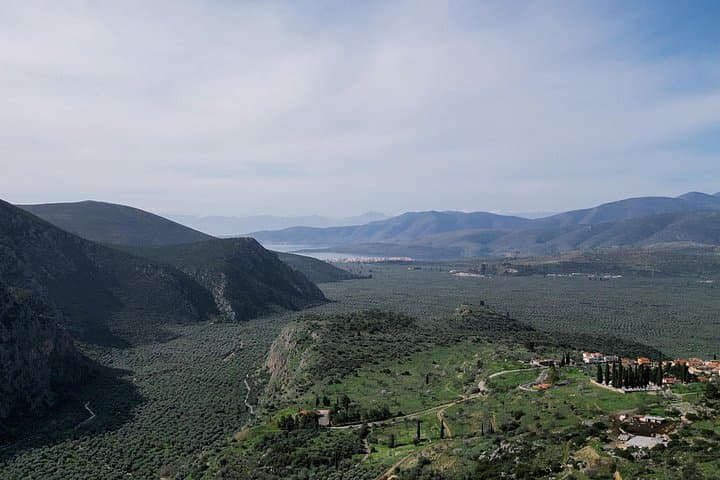
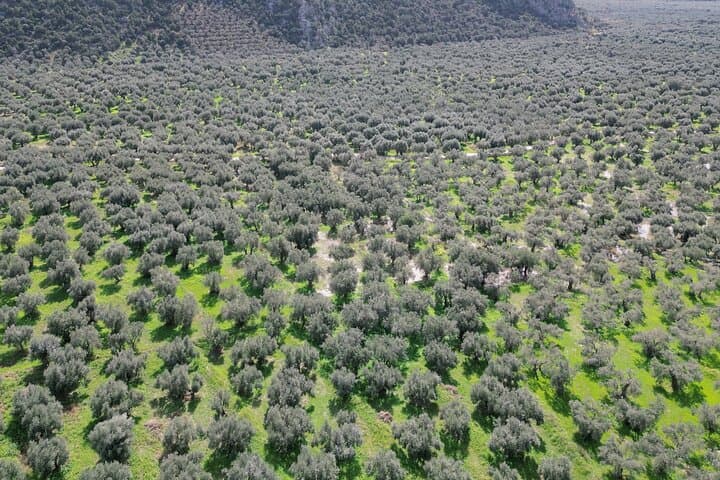
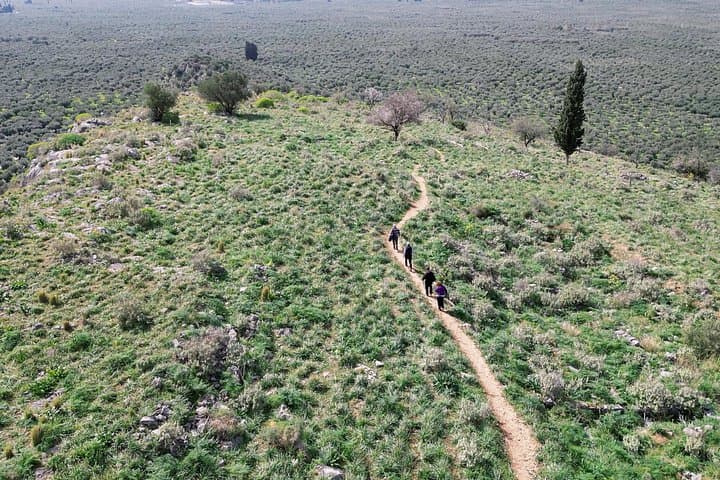
You leave Delphi’s stone terraces behind and step onto a footpath that has carried pilgrims for millennia. The track winds down through low scrub and tiers of silver-green olive trees; the air carries a sharp, resinous scent and the valley opens like a map below, the Gulf of Corinth glinting at the horizon.
You leave Delphi’s stone terraces behind and step onto a footpath that has carried pilgrims for millennia. The track winds down through low scrub and tiers of silver-green olive trees; the air carries a sharp, resinous scent and the valley opens like a map below, the Gulf of Corinth glinting at the horizon.
This route follows part of the pilgrim way that led to the Oracle of Delphi. Geologically, you’ll cross limestone ridges carved by seasonal streams, with terraces cut into slopes for olive cultivation. The villages—Delphi, the traditional hamlet of Chriso, and the coastal fringe at Aggali—show layers of human use: stone chapels, mule tracks, and dry-stone walls that age into the landscape.
Local guides link myth and agriculture: stories of supplicants meet practical lessons about pruning, harvest cycles and olive varieties. The walk is short but varied—rocky pitches, shaded grove sections, and open viewpoints—so expect footing that alternates between packed earth and loose stones.
Practical guidance: this 3-hour, 6–8 km outing is rated easy for most hikers but bring stable footwear and 1–1.5 liters of water. Start in the morning to avoid strong sun and to see the valley light shift; a light wind often comes off the gulf and stirs the olives as if the trees are nudging you onward. The experience blends history with hands-on learning—interactive quests and small competitions add a playful edge—but the trail’s enduring character is the real prize.