THE ADVENTURE COLLECTIVE® · Independent discovery and booking for outdoor travel

Walk ancient trade routes to low stone forts that once guarded pilgrims and caravans. This full-day AlUla hike pairs stark desert geology with layered history and practical logistical needs like water, sun protection and sturdy footwear.
Walk ancient trade routes to low stone forts that once guarded pilgrims and caravans. This full-day AlUla hike pairs stark desert geology with layered history and practical logistical needs like water, sun protection and sturdy footwear.
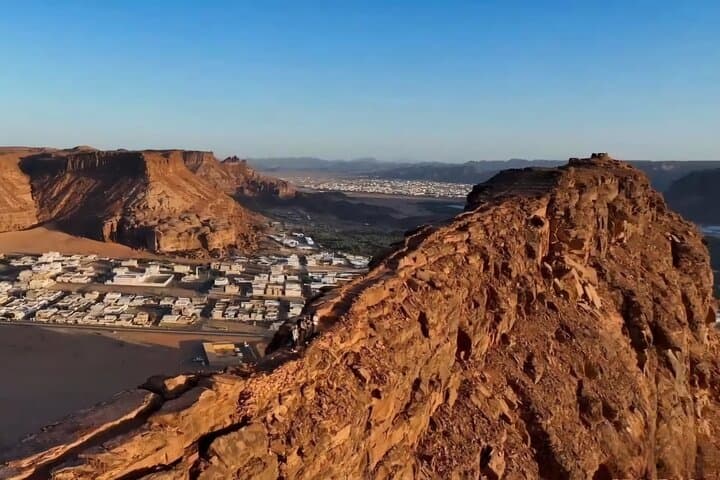
You step off the vehicle into dry heat, a string of worn stone steps and low crenellations cutting a silhouette against ochre cliffs. Wind scours the flats, and the trail threads between sculpted sandstone fins toward a cluster of low forts that once watched caravans and pilgrims approach.
Verified experiences and guided adventures in the surrounding area.
Operated by Zawaya Tourist · AlUla, Al Madinah Region
You step off the vehicle into dry heat, a string of worn stone steps and low crenellations cutting a silhouette against ochre cliffs. Wind scours the flats, and the trail threads between sculpted sandstone fins toward a cluster of low forts that once watched caravans and pilgrims approach.
The route follows routes used for centuries — Byzantine, Nabatean and later Ottoman-era traffic crossed this basin — so every ruined wall and watchtower is a marker of trade and protection. Geology here is blunt and readable: tabular sandstone layers, wind-sanded gullies and sudden plateaus that give wide, unbroken lines of sight. Local Bedouin culture still shapes place names and the rhythm of camp life; guides often point out ancient cisterns and carved inscriptions along the way.
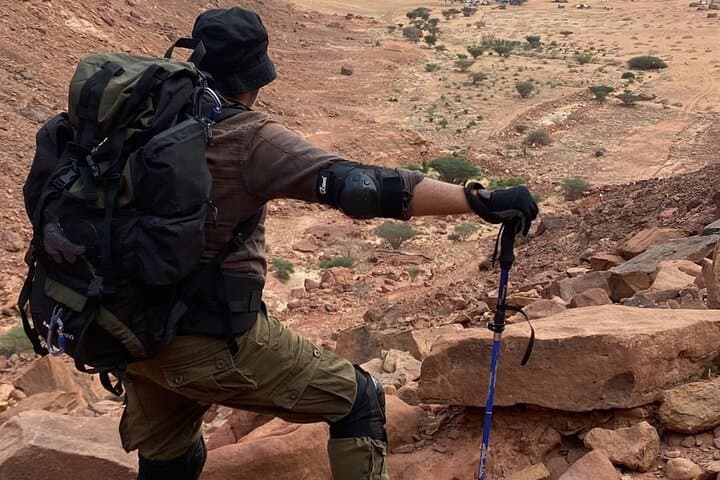
Expect mixed terrain: rocky paths, loose scree and short steep pitches. The hike is proportioned for a full-day rhythm — morning cool to a midday scramble and late-afternoon descent. Hydration and sun protection are non-negotiable; shade is intermittent and temperatures swing quickly once the sun climbs.
Practical guidance: start early, carry 2–3 liters of water, wear ankle-supporting boots and light layers for changing sun exposure. Follow your guide’s route — some sections cross loose slopes where footing matters — and leave no trace: fragile desert soils recover slowly. This is a hike that pairs clear, open views with tangible history — the forts stand quiet, daring you to read the stories they guarded.
challenging.
6–8 hours.
Good cardiovascular fitness and leg strength are required; participants should be comfortable with sustained ascents and uneven terrain.
The experience runs about 6–8 hours over mixed terrain with several short steep sections; it’s rated challenging and demands good fitness.
Guided hikes through heritage sites typically include site access in the booking; check with your operator for specific park or archaeological-site fees.
Not recommended for people with serious mobility or cardiovascular issues; children with good hiking experience may join but assess heat tolerance and stamina.
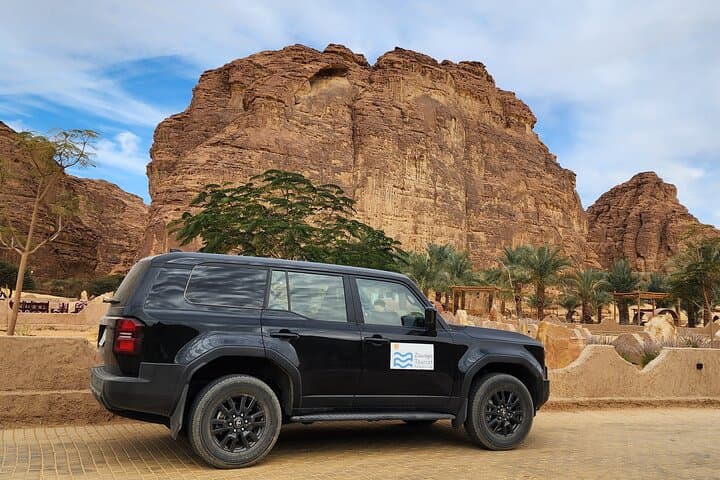
Most operators provide English-speaking guides and private air-conditioned transport from AlUla town is commonly included in the tour package.
The forts line strategic trade and pilgrimage corridors used for centuries, with later layers of Ottoman-era and local tribal fortifications built onto older routes.
The fragile desert soils and archaeological features are easily damaged; stay on established routes, avoid climbing on ruins and pack out all waste to minimize impact.
Zawaya Tourist operates guided outdoor trips and adventures with an emphasis on safety, stewardship, and memorable experiences.
You step off the vehicle into dry heat, a string of worn stone steps and low crenellations cutting a silhouette against ochre cliffs. Wind scours the flats, and the trail threads between sculpted sandstone fins toward a cluster of low forts that once watched caravans and pilgrims approach.
You step off the vehicle into dry heat, a string of worn stone steps and low crenellations cutting a silhouette against ochre cliffs. Wind scours the flats, and the trail threads between sculpted sandstone fins toward a cluster of low forts that once watched caravans and pilgrims approach.
The route follows routes used for centuries — Byzantine, Nabatean and later Ottoman-era traffic crossed this basin — so every ruined wall and watchtower is a marker of trade and protection. Geology here is blunt and readable: tabular sandstone layers, wind-sanded gullies and sudden plateaus that give wide, unbroken lines of sight. Local Bedouin culture still shapes place names and the rhythm of camp life; guides often point out ancient cisterns and carved inscriptions along the way.
Expect mixed terrain: rocky paths, loose scree and short steep pitches. The hike is proportioned for a full-day rhythm — morning cool to a midday scramble and late-afternoon descent. Hydration and sun protection are non-negotiable; shade is intermittent and temperatures swing quickly once the sun climbs.
Practical guidance: start early, carry 2–3 liters of water, wear ankle-supporting boots and light layers for changing sun exposure. Follow your guide’s route — some sections cross loose slopes where footing matters — and leave no trace: fragile desert soils recover slowly. This is a hike that pairs clear, open views with tangible history — the forts stand quiet, daring you to read the stories they guarded.