THE ADVENTURE COLLECTIVE® · Independent discovery and booking for outdoor travel

A full-day guided trek from Cusco to the 7 Lakes of Ausangate moves through high Andean plains, turquoise glacial lakes, and traditional pastoral landscapes—culminating with a soak in natural hot springs. Perfect for acclimatized hikers wanting a concentrated dose of alpine scenery and Andean culture.
A full-day guided trek from Cusco to the 7 Lakes of Ausangate moves through high Andean plains, turquoise glacial lakes, and traditional pastoral landscapes—culminating with a soak in natural hot springs. Perfect for acclimatized hikers wanting a concentrated dose of alpine scenery and Andean culture.
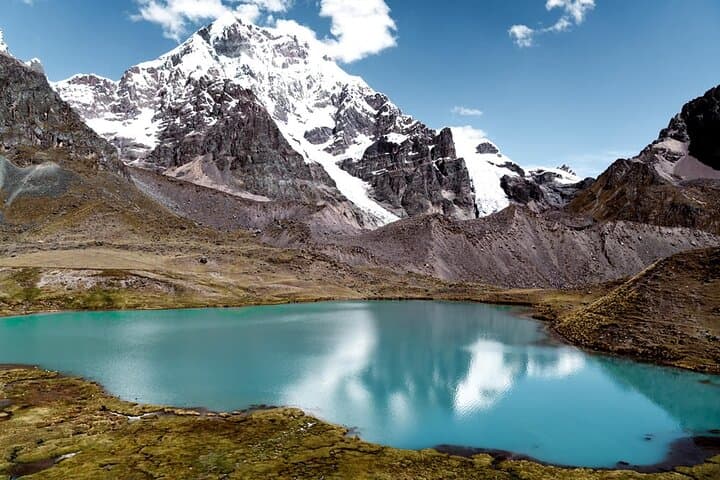
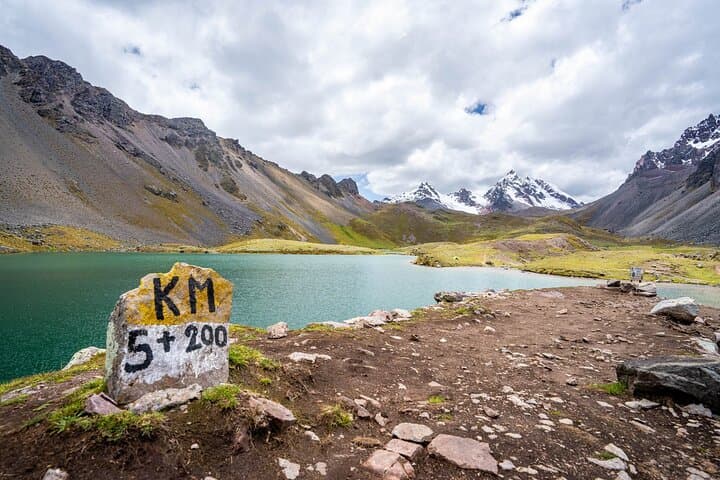
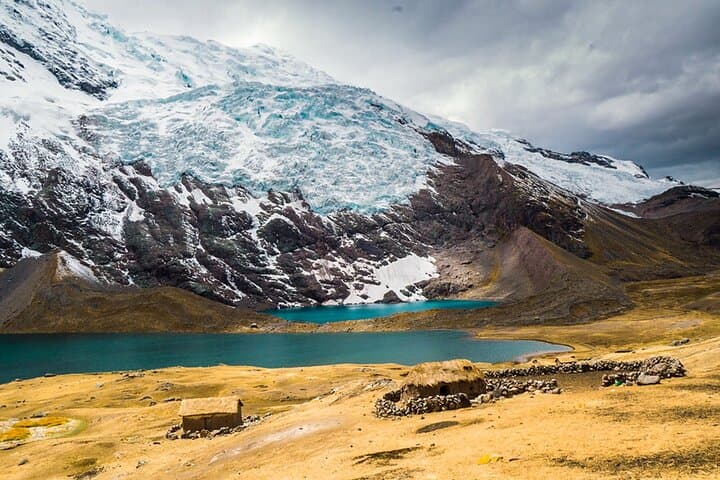
You step out before sunrise in Cusco and the van threads narrow mountain roads as dawn paints the high valleys. By the time you reach Pajchanta the air is thin and cold, the peaks around Ausangate emerging like folded steel. The trail climbs through puna grass, past alpaca herds and stone cairns, and then opens onto a string of turquoise and slate lakes that catch the light like polished glass.
Verified experiences and guided adventures in the surrounding area.
Operated by Lama Glama Travel · Cusco, Cusco
You step out before sunrise in Cusco and the van threads narrow mountain roads as dawn paints the high valleys. By the time you reach Pajchanta the air is thin and cold, the peaks around Ausangate emerging like folded steel. The trail climbs through puna grass, past alpaca herds and stone cairns, and then opens onto a string of turquoise and slate lakes that catch the light like polished glass.
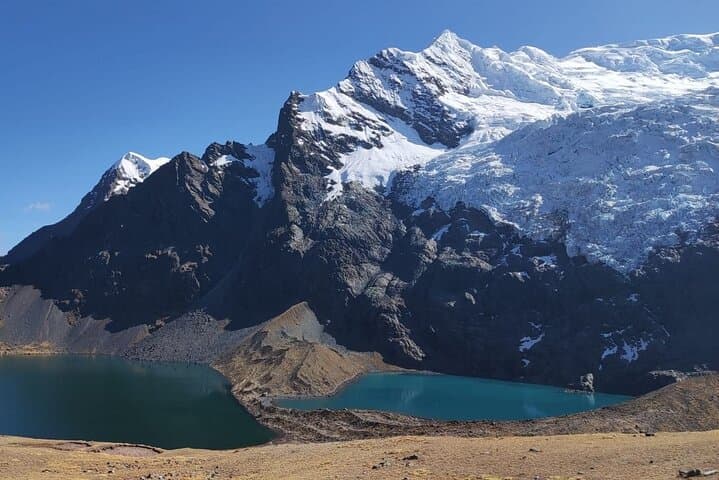
This circuit visits five of the well-known lakes—Otorongo, Pucacocha, Alqacocha, Q'omercocha and Azulcocha—while offering uninterrupted views of the Ausangate massif (over 6,800 m). The region is part of the southern Peruvian Andes, carved from ancient glaciated rock and fed by seasonal melt; local communities maintain traditional grazing routes and revere Ausangate as an Apu, a sacred mountain in Andean cosmology.
Expect high plateau terrain, rocky steps, and intermittent boggy patches where the ground can hold water like a sponge. Wildlife is conspicuous: llamas and alpacas graze on the slopes, vizcachas dart among boulders, and condors ride the thermals above.
Practical guidance: acclimatize in Cusco for 24–48 hours before attempting the hike, carry layers for sun and wind, and bring at least 2–3 liters of water. The walking portion is roughly 5 hours on uneven ground at elevations commonly above 4,200 m—pace yourself and take frequent rests. Finish the day soaking in Pajchanta’s natural hot springs to ease sore muscles before the return drive to Cusco.
challenging.
10–12 hours.
Good cardiovascular fitness and prior high‑altitude experience or recent acclimatization; be able to hike 5 hours on uneven ground.
The walking portion is about 4–5 hours total, spread across varying ascents and short descents while visiting multiple lakes.
Yes—altitude commonly exceeds 4,200 m; spending 24–48 hours in Cusco and hydrating beforehand is strongly advised.
Yes—the itinerary ends with access to the natural hot springs at Pajchanta after the circuit, typically before returning to Cusco.
Expect llamas and alpacas near grazing areas, vizcachas among rocks, and occasionally Andean condors riding the thermals.
Ausangate is considered an Apu (sacred mountain) by local Quechua communities; the area has long supported pastoral lifeways and ritual pilgrimages.
Stick to established trails, avoid burning or burying waste, and respect community grazing areas—high Andean ecosystems recover slowly from disturbance.
Lama Glama Travel operates guided outdoor trips and adventures with an emphasis on safety, stewardship, and memorable experiences.
You step out before sunrise in Cusco and the van threads narrow mountain roads as dawn paints the high valleys. By the time you reach Pajchanta the air is thin and cold, the peaks around Ausangate emerging like folded steel. The trail climbs through puna grass, past alpaca herds and stone cairns, and then opens onto a string of turquoise and slate lakes that catch the light like polished glass.
You step out before sunrise in Cusco and the van threads narrow mountain roads as dawn paints the high valleys. By the time you reach Pajchanta the air is thin and cold, the peaks around Ausangate emerging like folded steel. The trail climbs through puna grass, past alpaca herds and stone cairns, and then opens onto a string of turquoise and slate lakes that catch the light like polished glass.
This circuit visits five of the well-known lakes—Otorongo, Pucacocha, Alqacocha, Q'omercocha and Azulcocha—while offering uninterrupted views of the Ausangate massif (over 6,800 m). The region is part of the southern Peruvian Andes, carved from ancient glaciated rock and fed by seasonal melt; local communities maintain traditional grazing routes and revere Ausangate as an Apu, a sacred mountain in Andean cosmology.
Expect high plateau terrain, rocky steps, and intermittent boggy patches where the ground can hold water like a sponge. Wildlife is conspicuous: llamas and alpacas graze on the slopes, vizcachas dart among boulders, and condors ride the thermals above.
Practical guidance: acclimatize in Cusco for 24–48 hours before attempting the hike, carry layers for sun and wind, and bring at least 2–3 liters of water. The walking portion is roughly 5 hours on uneven ground at elevations commonly above 4,200 m—pace yourself and take frequent rests. Finish the day soaking in Pajchanta’s natural hot springs to ease sore muscles before the return drive to Cusco.