THE ADVENTURE COLLECTIVE® · Independent discovery and booking for outdoor travel

Step onto windswept plateaus and ancient peat soils at Sumapaz, the world's largest páramo. This full-day hike from Bogotá offers dramatic highland scenery, unique plants like frailejones, and practical challenges from altitude and wet terrain.
Step onto windswept plateaus and ancient peat soils at Sumapaz, the world's largest páramo. This full-day hike from Bogotá offers dramatic highland scenery, unique plants like frailejones, and practical challenges from altitude and wet terrain.
You climb out of the vehicle and the air changes—thinner, cooler, and full of a metallic scent of wet grass. Underfoot the trail opens onto wide páramo plateaus where frailejones stand like weathered guardians and small streams braid the tundra into silver threads. The horizon is a low, slow roll of hills; wind dares you to keep moving.
Verified experiences and guided adventures in the surrounding area.
Operated by Rolombia Trips · Bogotá, Cundinamarca
You climb out of the vehicle and the air changes—thinner, cooler, and full of a metallic scent of wet grass. Underfoot the trail opens onto wide páramo plateaus where frailejones stand like weathered guardians and small streams braid the tundra into silver threads. The horizon is a low, slow roll of hills; wind dares you to keep moving.
Sumapaz is the largest high-altitude páramo in the world, a cold-water sponge that feeds rivers below and supports plants found nowhere else. Geologically the landscape sits on ancient Andean uplifts; peat soils and volcanic substrate hold water like a living reservoir. Human history here ranges from pre-Colombian highland use to more recent political significance—the area played a role in Colombia’s guerilla history—and traditional campesino culture still shapes access points and trails.
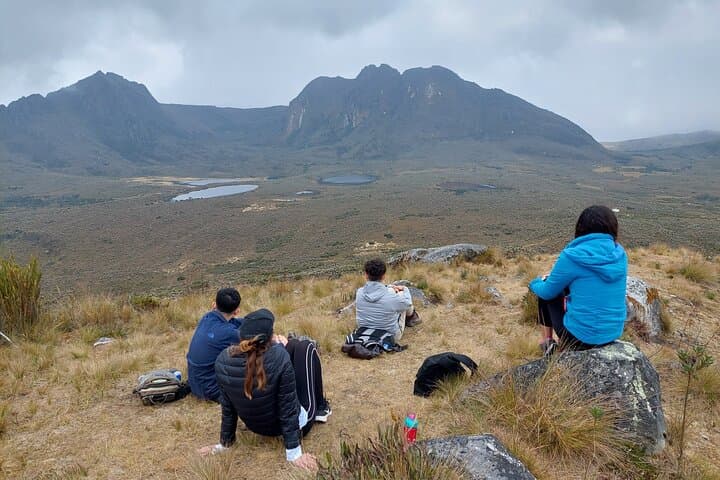
Expect open, often boggy terrain, sudden winds, and altitudes commonly above 3,000 m (9,800 ft). Wildlife is subtle: highland hummingbirds, Andean fox tracks, and seasonal waterfowl. The best way to approach Sumapaz is with layers, steady pace, and respect for fragile soils—stick to paths and avoid stepping on peat mats.
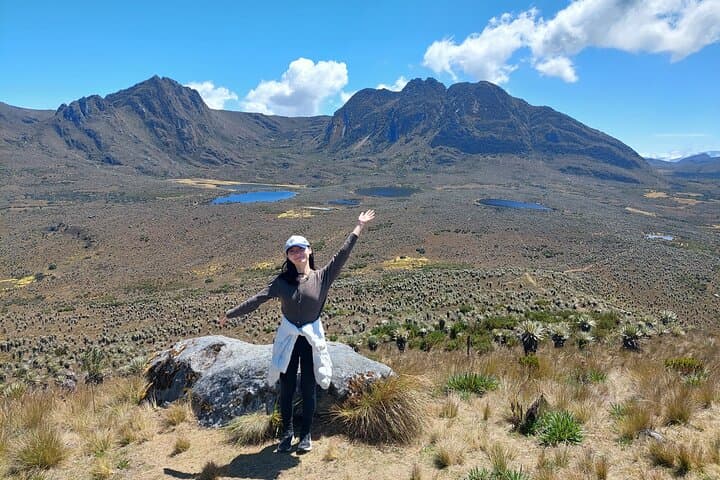
Practically: plan for a 6–8 hour day, bring a waterproof shell, high-traction boots for tussock grass and wet peat, sun protection, and carry extra water although streams are abundant; treat before drinking. Acclimatize in Bogotá for a day, move deliberately on climbs, and aim for morning starts to avoid afternoon fog and rain. The reward is wide, wind-sculpted views and a clear sense of how the páramo keeps the region alive.
moderate.
6–8 hours.
Moderate fitness; able to hike several hours at high altitude with some uneven, muddy ground
Much of the páramo sits above 3,000 m (9,800 ft); mild altitude effects are common—headache, shortness of breath. Acclimatize in Bogotá, hydrate, and move slowly; descend if symptoms worsen.
Trails are moderate in exertion but can be muddy, uneven, and windy with peat bogs and tussock grass—good boots and steady pace are important.
This full-day experience typically lasts 6–8 hours and often includes transport from Bogotá, a traditional farmer breakfast, and snacks; check your operator for exact inclusions.
Dry windows (December–February, June–August) usually offer the clearest conditions, but weather is changeable year-round—mornings tend to be more stable.
The Sumapaz plateau has long been used by Andean highland communities and later featured in Colombia’s political history; its water systems have shaped settlement below for centuries.
Páramos are sensitive water-capture ecosystems; visitors should avoid disturbing peat, follow local regulations, and support community-led conservation efforts.
Rolombia Trips operates guided outdoor trips and adventures with an emphasis on safety, stewardship, and memorable experiences.
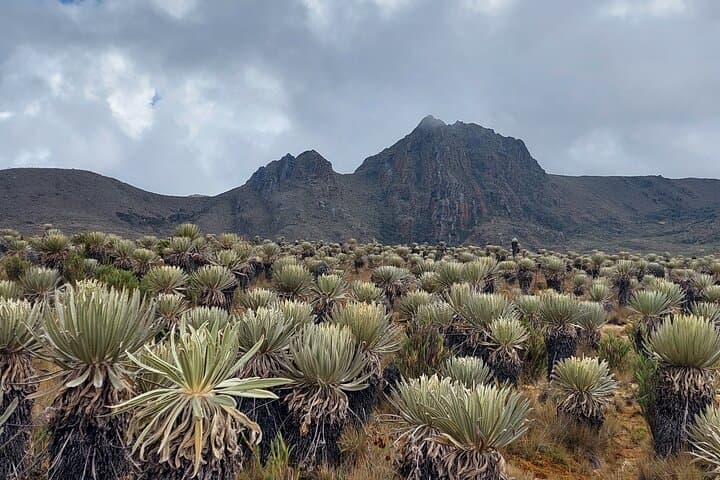
You climb out of the vehicle and the air changes—thinner, cooler, and full of a metallic scent of wet grass. Underfoot the trail opens onto wide páramo plateaus where frailejones stand like weathered guardians and small streams braid the tundra into silver threads. The horizon is a low, slow roll of hills; wind dares you to keep moving.
You climb out of the vehicle and the air changes—thinner, cooler, and full of a metallic scent of wet grass. Underfoot the trail opens onto wide páramo plateaus where frailejones stand like weathered guardians and small streams braid the tundra into silver threads. The horizon is a low, slow roll of hills; wind dares you to keep moving.
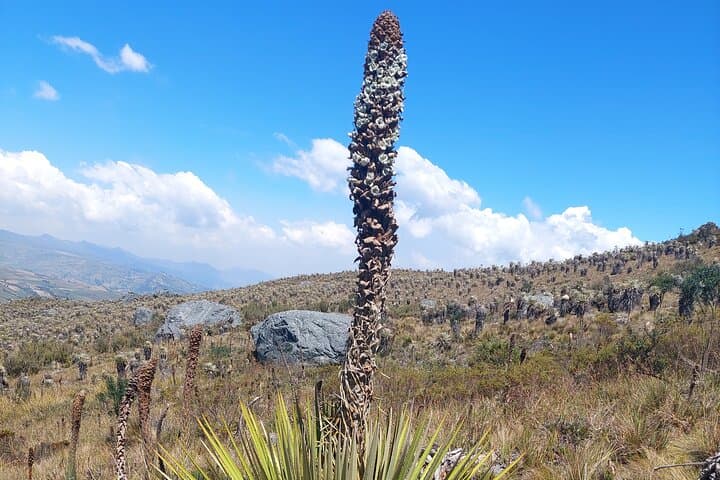
Sumapaz is the largest high-altitude páramo in the world, a cold-water sponge that feeds rivers below and supports plants found nowhere else. Geologically the landscape sits on ancient Andean uplifts; peat soils and volcanic substrate hold water like a living reservoir. Human history here ranges from pre-Colombian highland use to more recent political significance—the area played a role in Colombia’s guerilla history—and traditional campesino culture still shapes access points and trails.
Expect open, often boggy terrain, sudden winds, and altitudes commonly above 3,000 m (9,800 ft). Wildlife is subtle: highland hummingbirds, Andean fox tracks, and seasonal waterfowl. The best way to approach Sumapaz is with layers, steady pace, and respect for fragile soils—stick to paths and avoid stepping on peat mats.
Practically: plan for a 6–8 hour day, bring a waterproof shell, high-traction boots for tussock grass and wet peat, sun protection, and carry extra water although streams are abundant; treat before drinking. Acclimatize in Bogotá for a day, move deliberately on climbs, and aim for morning starts to avoid afternoon fog and rain. The reward is wide, wind-sculpted views and a clear sense of how the páramo keeps the region alive.