THE ADVENTURE COLLECTIVE® · Independent discovery and booking for outdoor travel

Trade Marrakech’s bustle for the cool rush of the Ourika River on a guided day trip to Setti Fatma. Hike to seven waterfalls, visit a Berber home and an argan cooperative, and enjoy riverside lunch framed by High Atlas views.
Trade Marrakech’s bustle for the cool rush of the Ourika River on a guided day trip to Setti Fatma. Hike to seven waterfalls, visit a Berber home and an argan cooperative, and enjoy riverside lunch framed by High Atlas views.
You step out of Marrakech’s dust and heat into a different cadence: the car climbs, the air cools, and the High Atlas folds into green gullies. By the time you reach Setti Fatma the Ourika River is already calling—clear, fast, and impatient—pushing you toward a series of stepped cascades carved into shale and limestone.
Verified experiences and guided adventures in the surrounding area.
Operated by Sahara secrets travel · Setti Fatma / Ourika Valley, Marrakesh-Safi
You step out of Marrakech’s dust and heat into a different cadence: the car climbs, the air cools, and the High Atlas folds into green gullies. By the time you reach Setti Fatma the Ourika River is already calling—clear, fast, and impatient—pushing you toward a series of stepped cascades carved into shale and limestone.
The Ourika Valley has been a seasonal lifeline for Amazigh (Berber) communities for centuries; terraced fields and stone houses still follow ancient water channels. Geologically the valley is young: jagged peaks of the High Atlas give way to softer river-formed amphitheaters that funnel rainfall into dramatic waterfalls after winter storms. The area’s culture centers on small-scale agriculture and argan oil production—women’s cooperatives process fruit the same way they have for generations.
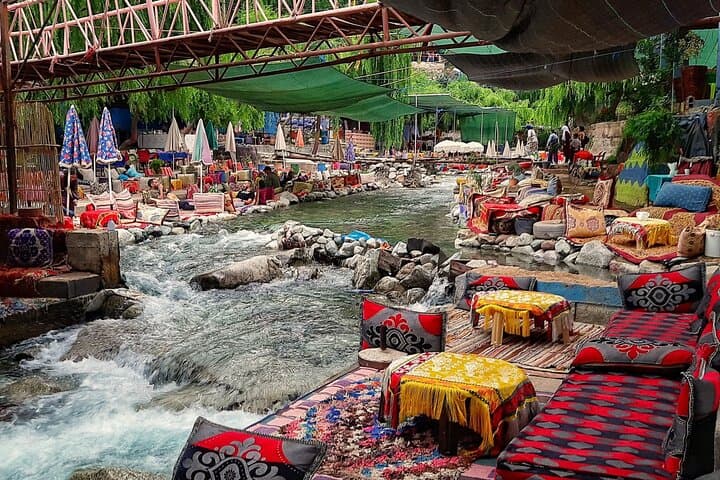
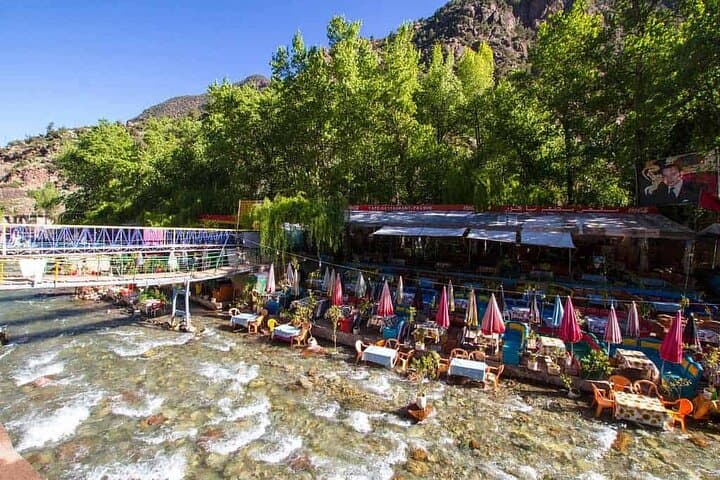
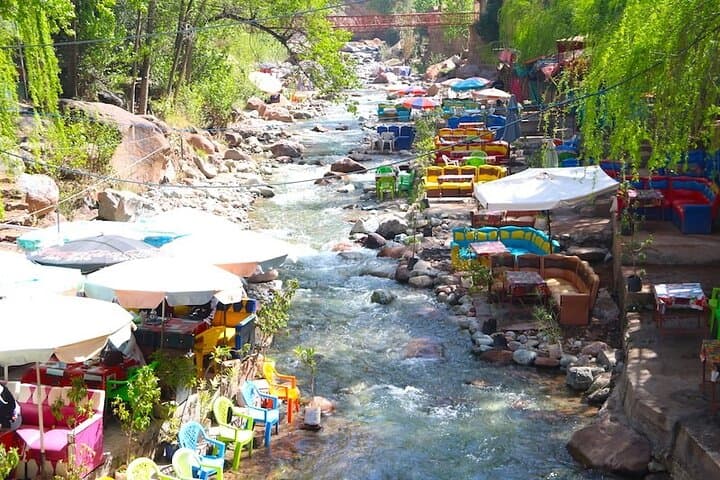
On this day trip you’ll meet a local guide and hike roughly 3–4 km round-trip with about 150–250 m of elevation gain over stony trails and occasional river crossings; expect uneven steps and short steep pitches. The guided route takes about 90 minutes and stops at a handful of falls; plan lunch by the river at a family-run restaurant.
Practical edge: go early to avoid mid-day crowds, wear ankle-supporting shoes, carry 1–2 liters of water and small cash for tips and cooperative purchases. Respect private property when passing through villages and ask before photographing people. In shoulder seasons the river is fullest and most dramatic; in summer pick shaded sections and sun protection. This is an accessible, culturally rich hike that rewards straightforward preparation with vivid river scenery and an authentic glimpse of Atlas life.
moderate.
7 hours (full day, including transfers and 1.5-hour hike).
Suitable for travelers in light to moderate fitness able to walk uneven terrain for up to 90 minutes with short steep sections
Yes; the tour includes pickup and drop-off from hotels or riads in Marrakech in an air-conditioned vehicle.
The guided hike is about 1.5 hours with uneven terrain and short steep sections—suitable for most active travelers but not recommended for those with serious mobility issues.
Lunch is not typically included; you’ll have free time to eat at a riverside restaurant and should bring small cash to pay for meals and purchases.
Children can join but supervise them closely near water and on narrow sections; the tour notes it’s not recommended for travelers with back problems or pregnant guests.
The Ourika Valley has long been inhabited by Amazigh (Berber) communities; its irrigation terraces and argan production reflect centuries of small-scale mountain agriculture.
Support local cooperatives and use marked trails to limit erosion; water levels are sensitive to seasonal rainfall and sustainable tourism helps preserve community resources.
Sahara secrets travel operates guided outdoor trips and adventures with an emphasis on safety, stewardship, and memorable experiences.
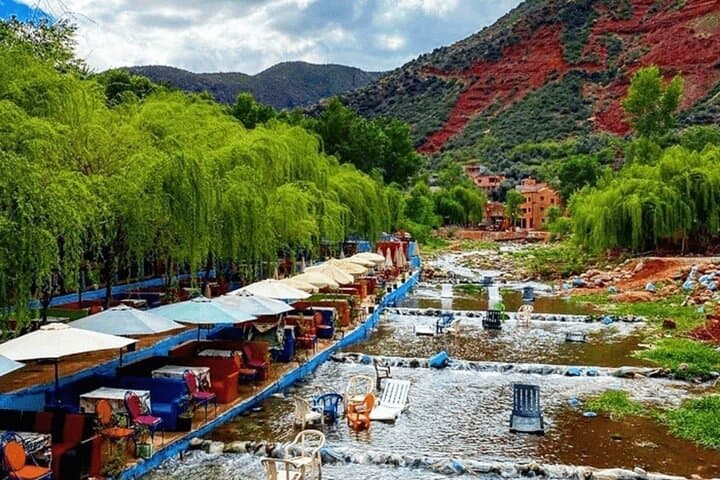
You step out of Marrakech’s dust and heat into a different cadence: the car climbs, the air cools, and the High Atlas folds into green gullies. By the time you reach Setti Fatma the Ourika River is already calling—clear, fast, and impatient—pushing you toward a series of stepped cascades carved into shale and limestone.
You step out of Marrakech’s dust and heat into a different cadence: the car climbs, the air cools, and the High Atlas folds into green gullies. By the time you reach Setti Fatma the Ourika River is already calling—clear, fast, and impatient—pushing you toward a series of stepped cascades carved into shale and limestone.
The Ourika Valley has been a seasonal lifeline for Amazigh (Berber) communities for centuries; terraced fields and stone houses still follow ancient water channels. Geologically the valley is young: jagged peaks of the High Atlas give way to softer river-formed amphitheaters that funnel rainfall into dramatic waterfalls after winter storms. The area’s culture centers on small-scale agriculture and argan oil production—women’s cooperatives process fruit the same way they have for generations.
On this day trip you’ll meet a local guide and hike roughly 3–4 km round-trip with about 150–250 m of elevation gain over stony trails and occasional river crossings; expect uneven steps and short steep pitches. The guided route takes about 90 minutes and stops at a handful of falls; plan lunch by the river at a family-run restaurant.
Practical edge: go early to avoid mid-day crowds, wear ankle-supporting shoes, carry 1–2 liters of water and small cash for tips and cooperative purchases. Respect private property when passing through villages and ask before photographing people. In shoulder seasons the river is fullest and most dramatic; in summer pick shaded sections and sun protection. This is an accessible, culturally rich hike that rewards straightforward preparation with vivid river scenery and an authentic glimpse of Atlas life.