THE ADVENTURE COLLECTIVE® · Independent discovery and booking for outdoor travel

Descend Europe’s dramatic Samaria Gorge on a full-day guided hike from Chania. Expect 16–17 km of steep, rocky trail, the narrow Iron Gates, and a rewarding finish at Agia Roumeli with a swim and ferry ride back.
Descend Europe’s dramatic Samaria Gorge on a full-day guided hike from Chania. Expect 16–17 km of steep, rocky trail, the narrow Iron Gates, and a rewarding finish at Agia Roumeli with a swim and ferry ride back.
Morning light slices through the limestone walls as you stand on Omalos Plateau, looking down the throat of Samaria Gorge. The descent begins with a long stairway of weathered wood and rock; the path narrows, cliffs tighten, and the air cools. For the next 16–17 kilometers you move through pine-scented slopes, stands of plane and chestnut, and the dramatic squeeze known as the Iron Gates before the gorge spits you out onto Agia Roumeli’s pebble shore.
Verified experiences and guided adventures in the surrounding area.
Operated by Fantasy Travel · Omalos / Agia Roumeli, Crete
Morning light slices through the limestone walls as you stand on Omalos Plateau, looking down the throat of Samaria Gorge. The descent begins with a long stairway of weathered wood and rock; the path narrows, cliffs tighten, and the air cools. For the next 16–17 kilometers you move through pine-scented slopes, stands of plane and chestnut, and the dramatic squeeze known as the Iron Gates before the gorge spits you out onto Agia Roumeli’s pebble shore.
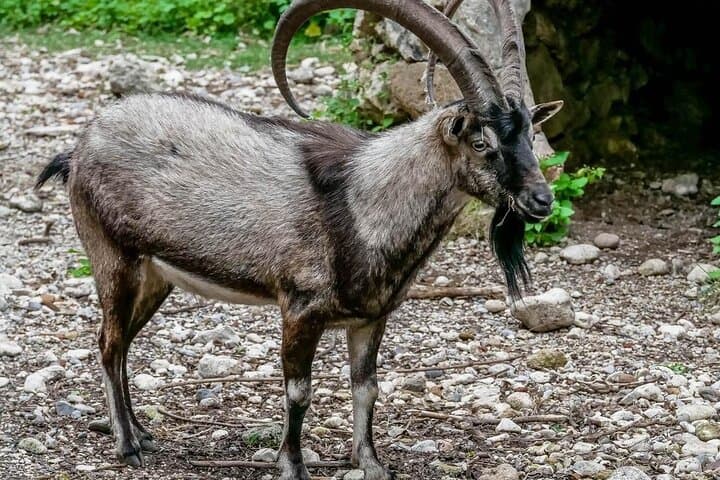
Geology here reads like a slow-motion earthquake: towering folded limestone carved by water and time into a canyon that reaches over 600 meters in places. Culturally, the gorge has sheltered shepherds, hermits, and the hardy villages of Sfakia; tie that human story to the endemic kri-kri (Cretan wild goat) that still clings to ledges and the protected status the park earned in the 20th century.
Practically, expect 5–7 hours of continuous downhill walking on mixed rock, scree and wooden steps, with roughly 600 steps and occasional narrow passages. Wear sturdy boots, bring 2–3 liters of water (there are refillable springs), sunscreen and a light pack. You’ll finish at Agia Roumeli with time to swim and eat before a coastal ferry to Sougia and a bus back to Chania. Cash is needed for park entrance and boat fees. The route is managed and guided groups keep to established tracks — but weather, footwear, and knee strength determine whether the gorge feels thrilling or punishing. Start early to beat heat and crowds and let the gorge push you steadily toward the sea.
challenging.
5–7 hours.
Good aerobic fitness and strong knees required; you should be comfortable with long downhill hiking and uneven terrain.
The gorge trail is about 16–17 km from Xyloskalo (Omalos) to Agia Roumeli and takes 5–7 hours; it’s mainly downhill and rated challenging due to length and uneven footing.
No; the Samaria National Park entrance fee and the ferry to Sougia/Agia Roumeli are paid on site in cash.
Not recommended for young children, those with knee issues, serious cardiovascular conditions, or pregnancy—the descent is long and physically demanding.
You’ll have free time in Agia Roumeli to swim and eat, then board a ferry to Sougia where a bus returns you to Chania as part of the full-day transfer.
Samaria Gorge has been a refuge and transit corridor for centuries and was designated part of Samaria National Park in the 20th century to protect its unique flora and fauna.
Heavy visitation stresses trails and endemic species; stick to paths, pack out litter, and pay the entrance fee which helps fund park management.
Fantasy Travel operates guided outdoor trips and adventures with an emphasis on safety, stewardship, and memorable experiences.
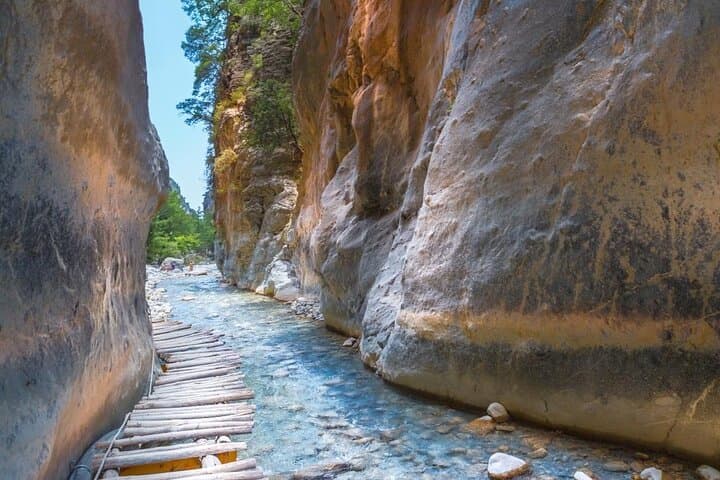
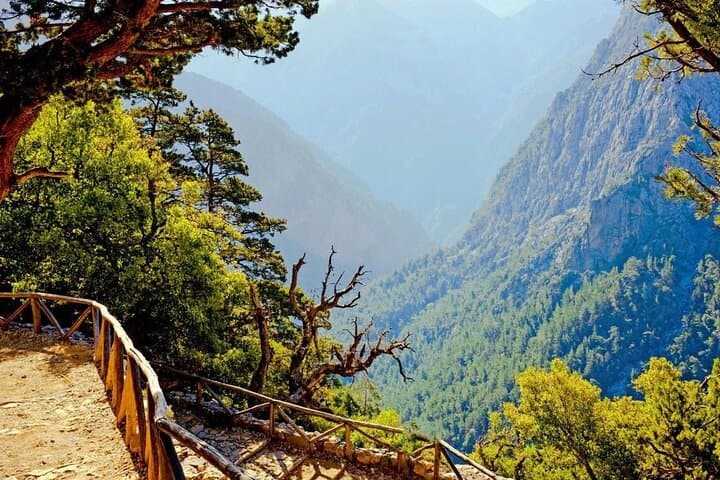
Morning light slices through the limestone walls as you stand on Omalos Plateau, looking down the throat of Samaria Gorge. The descent begins with a long stairway of weathered wood and rock; the path narrows, cliffs tighten, and the air cools. For the next 16–17 kilometers you move through pine-scented slopes, stands of plane and chestnut, and the dramatic squeeze known as the Iron Gates before the gorge spits you out onto Agia Roumeli’s pebble shore.
Morning light slices through the limestone walls as you stand on Omalos Plateau, looking down the throat of Samaria Gorge. The descent begins with a long stairway of weathered wood and rock; the path narrows, cliffs tighten, and the air cools. For the next 16–17 kilometers you move through pine-scented slopes, stands of plane and chestnut, and the dramatic squeeze known as the Iron Gates before the gorge spits you out onto Agia Roumeli’s pebble shore.
Geology here reads like a slow-motion earthquake: towering folded limestone carved by water and time into a canyon that reaches over 600 meters in places. Culturally, the gorge has sheltered shepherds, hermits, and the hardy villages of Sfakia; tie that human story to the endemic kri-kri (Cretan wild goat) that still clings to ledges and the protected status the park earned in the 20th century.
Practically, expect 5–7 hours of continuous downhill walking on mixed rock, scree and wooden steps, with roughly 600 steps and occasional narrow passages. Wear sturdy boots, bring 2–3 liters of water (there are refillable springs), sunscreen and a light pack. You’ll finish at Agia Roumeli with time to swim and eat before a coastal ferry to Sougia and a bus back to Chania. Cash is needed for park entrance and boat fees. The route is managed and guided groups keep to established tracks — but weather, footwear, and knee strength determine whether the gorge feels thrilling or punishing. Start early to beat heat and crowds and let the gorge push you steadily toward the sea.