THE ADVENTURE COLLECTIVE® · Independent discovery and booking for outdoor travel

Stand above bands of rust, green and ochre at 5,200 meters on the famous Vinicunca ridge. This practical guide previews the hike’s geology, cultural context and what to bring for a safe ascent from Cusco.
Stand above bands of rust, green and ochre at 5,200 meters on the famous Vinicunca ridge. This practical guide previews the hike’s geology, cultural context and what to bring for a safe ascent from Cusco.
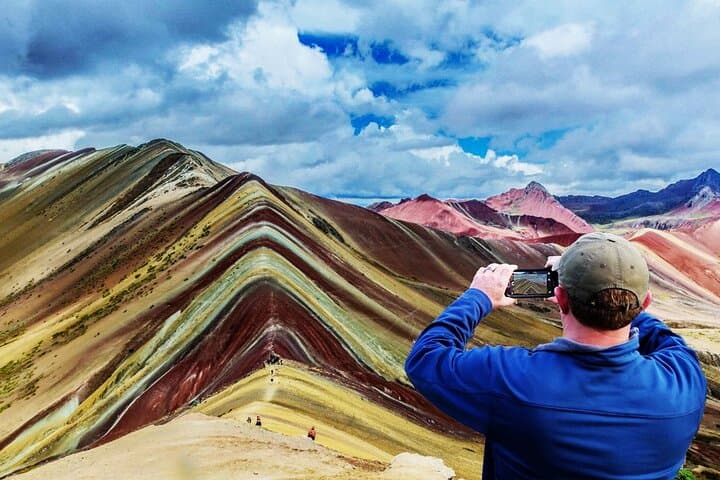
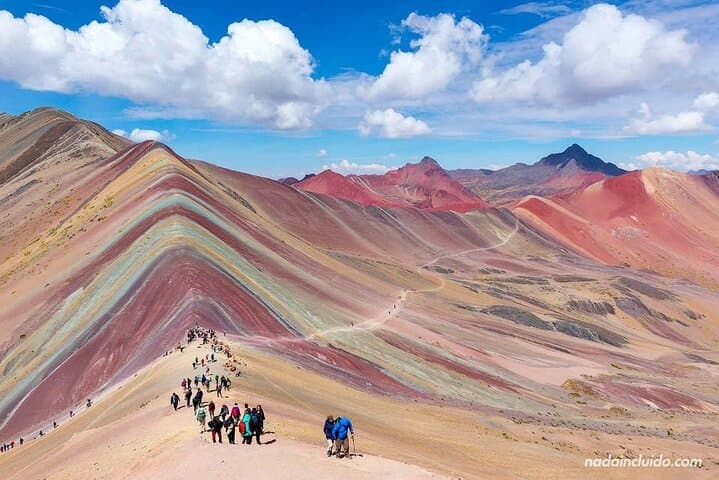
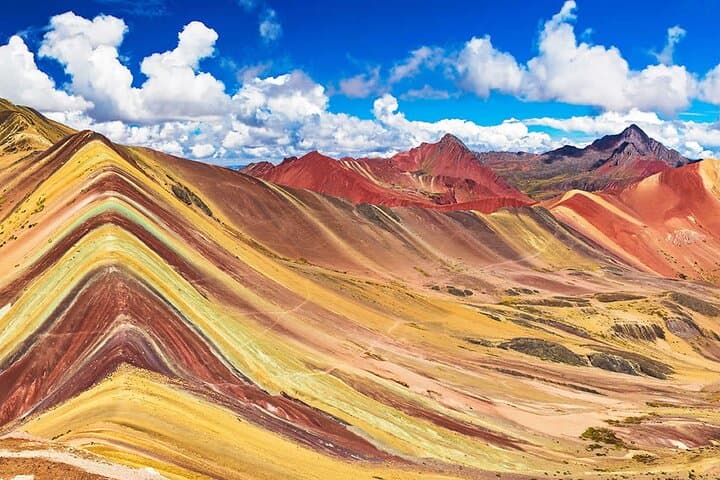
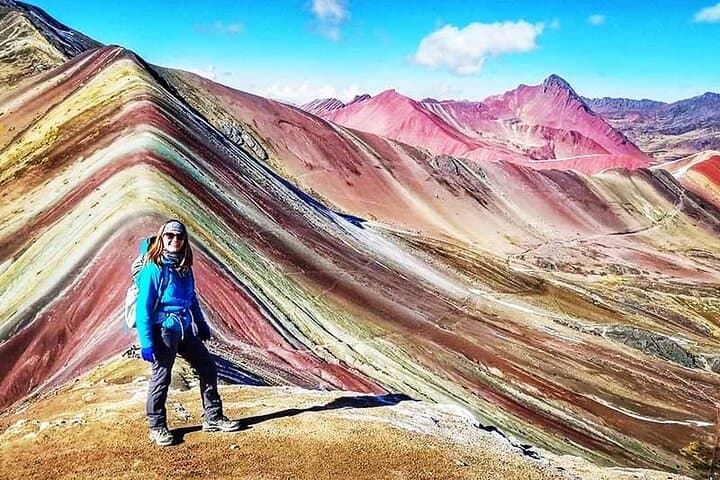
A high wind greets you before the ridge does — thin, cold and direct enough to announce elevation. You climb into an alpine bowl where bands of rust, ochre, green and pink cut across the slope like geological handwriting. At the summit the color bands spread below you; the air is bright, raw, and difficult to forget.
Verified experiences and guided adventures in the surrounding area.
Operated by Real travel Peru · Cusco, Cusco Region
A high wind greets you before the ridge does — thin, cold and direct enough to announce elevation. You climb into an alpine bowl where bands of rust, ochre, green and pink cut across the slope like geological handwriting. At the summit the color bands spread below you; the air is bright, raw, and difficult to forget.
Vinicunca (Rainbow Mountain) is a recent star in the Cusco circuit. The rainbow effect comes from millennia of sedimentary mineral deposits — iron oxides, clays and other minerals layered and later exposed by glacial retreat and erosion. Historically a pastoral zone of Aymara and Quechua communities, the route crosses puna grasslands where herds of llamas and alpacas graze and local shepherd settlements still live with centuries-old practices.
Expect a demanding altitude profile more than technical terrain: steep switchbacks, rocky track and thin air around 5,200 meters above sea level. Most tours leave Cusco early, include hotel pickup, breakfast and a 1.5–3 hour gradual approach by vehicle to the trailhead, followed by a 1.5–3 hour uphill walk depending on pace and acclimatization.
Practical guidance: acclimate in Cusco for 24–48 hours if possible, carry layered insulation, sun protection and at least 2–3 liters of water. Stick to marked trails, hire local guides (they manage access fees and community rules) and budget time for photos and descent. If the ascent feels too hard, there are horse rental options at the trailhead.
This is a high-altitude spectacle — austere, colorful and physically uncompromising — best approached with respect for the land and for your lungs.
challenging.
4–6 hours (hike portion).
Good cardiovascular fitness recommended; ability to walk steady uphill for 1–3 hours at high altitude is required
Vinicunca sits around 5,200 meters; thin air at this elevation increases breathlessness and altitude sickness risk, so acclimatize beforehand and descend if symptoms are severe.
The driest, most stable weather is typically May–September, which offers clearer skies and firmer trails; afternoons can cloud over during the wet season (December–March).
Short-distance horse rentals are commonly offered at or near the trailhead, useful for people struggling with altitude, but availability varies and riders should be cautious on steep sections.
Local communities operate access and small entrance fees; many commercial tours include this charge and manage payments at checkpoints.
The color bands are exposed sedimentary layers of mineral deposits; melting glaciers in recent decades revealed sections that have become a modern tourist attraction since about 2016.
High visitor numbers strain fragile soils and local water; follow community rules, avoid single-use plastics and hire certified local guides to support sustainable management.
Real travel Peru operates guided outdoor trips and adventures with an emphasis on safety, stewardship, and memorable experiences.
A high wind greets you before the ridge does — thin, cold and direct enough to announce elevation. You climb into an alpine bowl where bands of rust, ochre, green and pink cut across the slope like geological handwriting. At the summit the color bands spread below you; the air is bright, raw, and difficult to forget.
A high wind greets you before the ridge does — thin, cold and direct enough to announce elevation. You climb into an alpine bowl where bands of rust, ochre, green and pink cut across the slope like geological handwriting. At the summit the color bands spread below you; the air is bright, raw, and difficult to forget.
Vinicunca (Rainbow Mountain) is a recent star in the Cusco circuit. The rainbow effect comes from millennia of sedimentary mineral deposits — iron oxides, clays and other minerals layered and later exposed by glacial retreat and erosion. Historically a pastoral zone of Aymara and Quechua communities, the route crosses puna grasslands where herds of llamas and alpacas graze and local shepherd settlements still live with centuries-old practices.
Expect a demanding altitude profile more than technical terrain: steep switchbacks, rocky track and thin air around 5,200 meters above sea level. Most tours leave Cusco early, include hotel pickup, breakfast and a 1.5–3 hour gradual approach by vehicle to the trailhead, followed by a 1.5–3 hour uphill walk depending on pace and acclimatization.
Practical guidance: acclimate in Cusco for 24–48 hours if possible, carry layered insulation, sun protection and at least 2–3 liters of water. Stick to marked trails, hire local guides (they manage access fees and community rules) and budget time for photos and descent. If the ascent feels too hard, there are horse rental options at the trailhead.
This is a high-altitude spectacle — austere, colorful and physically uncompromising — best approached with respect for the land and for your lungs.