THE ADVENTURE COLLECTIVE® · Independent discovery and booking for outdoor travel

Stand above a striped ridge of mineral color at 5,030 m and peer into a Martian red valley. This practical guide covers route, altitude prep, and what to expect on the classic Vinicunca day trip from Cusco.
Stand above a striped ridge of mineral color at 5,030 m and peer into a Martian red valley. This practical guide covers route, altitude prep, and what to expect on the classic Vinicunca day trip from Cusco.
A thin air bites at the cheeks as you crest the last sweep of sodden puna grass and the mountain reveals itself: stripes of ochre, ruby, turquoise and mustard cut across a high Andean ridge. At 5,030 meters the colors of Vinicunca—commonly called Rainbow Mountain—feel almost tactile, a geological ribbon daring you to come closer while the Red Valley rolls away like a Martian plain.
Verified experiences and guided adventures in the surrounding area.
Operated by Inkanet Adventure · Cusco, Cusco Region
A thin air bites at the cheeks as you crest the last sweep of sodden puna grass and the mountain reveals itself: stripes of ochre, ruby, turquoise and mustard cut across a high Andean ridge. At 5,030 meters the colors of Vinicunca—commonly called Rainbow Mountain—feel almost tactile, a geological ribbon daring you to come closer while the Red Valley rolls away like a Martian plain.
The colors come from millennia of exposed sediments—iron oxides, copper minerals and clays—lifted and tilted by Andean uplift. Local Quechua communities have grazed llamas and alpacas here for centuries; many regard the surrounding peaks as apus, sacred mountain spirits, and the area’s past is braided with pastoral life more than extractive industry.
Expect a day that’s long on travel and short on oxygen: typical tours leave Cusco early, a 2.5–3.5 hour drive to the trailhead, then a steep hike roughly 3 km each way with about 400–500 m of elevation gain on loose gravel and compacted dirt. The trail alternates exposed ridgelines and short sections of puna grass; the Red Valley requires a short scramble to access the best angles.
Plan practically: acclimatize in Cusco for 24–48 hours, bring sun protection and layered insulation, and hike slowly—altitude dictates pace more than distance. Operators often supply trekking poles and emergency oxygen; still, carry water, snacks, and a light first-aid kit. Visit in the dry season for clearer views but be ready for sudden wind and cold. The payoff is a high-altitude spectacle—raw, fragile, and immediate—best honored by careful travel and respect for local communities.
challenging.
10–12 hours.
Should be in good cardiovascular shape with prior moderate hiking experience; acclimatization is essential.
The common walking section is roughly 3 km each way with about 400–500 m of elevation gain; allow 2–3 hours round trip depending on pace and stops.
It’s generally safe for acclimatized hikers in good health, but altitude sickness can occur—acclimatize, hydrate, and descend if symptoms worsen.
The dry season (May–September) gives the clearest skies and firmer trails; the wet season brings more clouds and muddy sections but fewer crowds.
Many tour operators provide trekking poles, oxygen, and basic first aid; confirm inclusions and bring your own boots and sun protection.
Local Quechua communities have grazed these highlands for centuries and regard the surrounding peaks as sacred apus; the colorful bands are exposed sedimentary layers uplifted by Andean tectonics.
The area’s fragile soils erode easily under heavy foot traffic; stick to trails, minimize group size, and follow local guidance to reduce impact.
Inkanet Adventure operates guided outdoor trips and adventures with an emphasis on safety, stewardship, and memorable experiences.
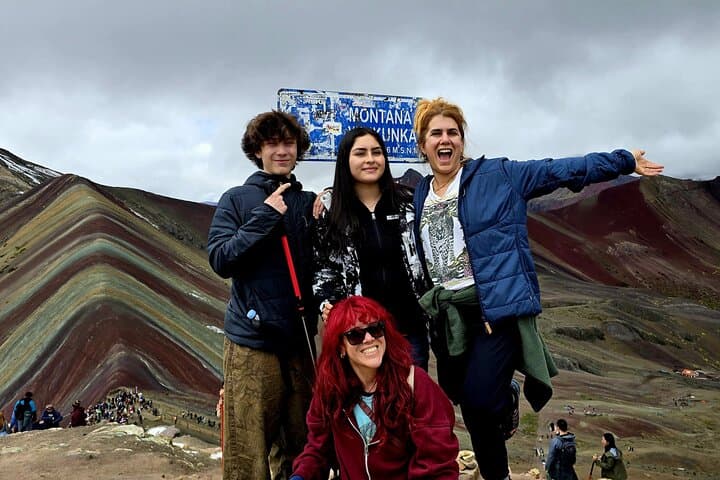
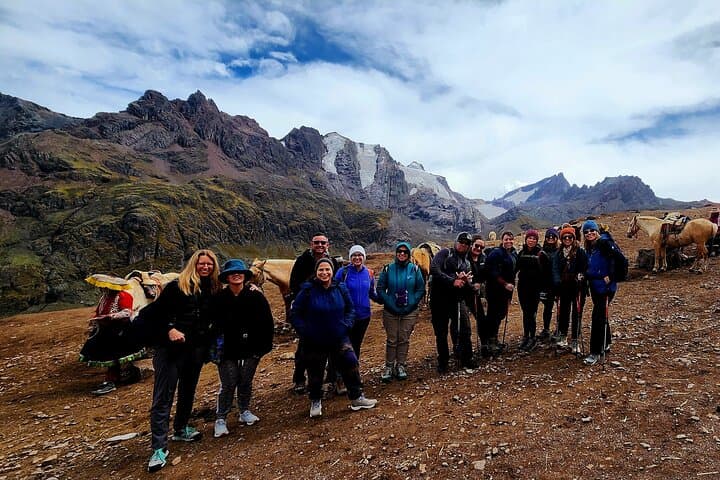
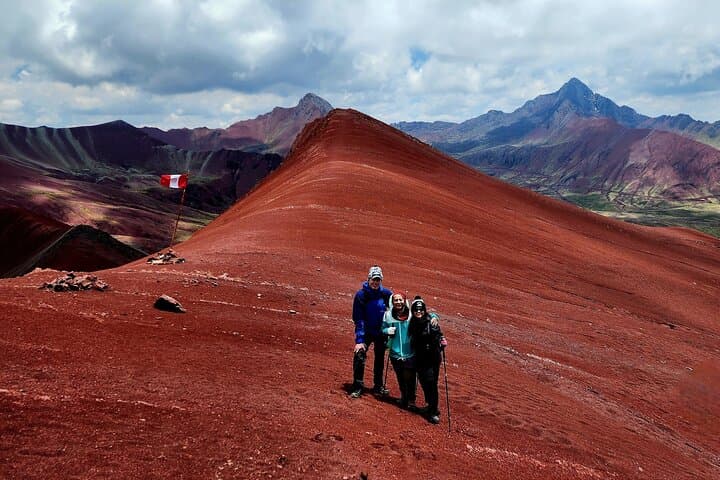
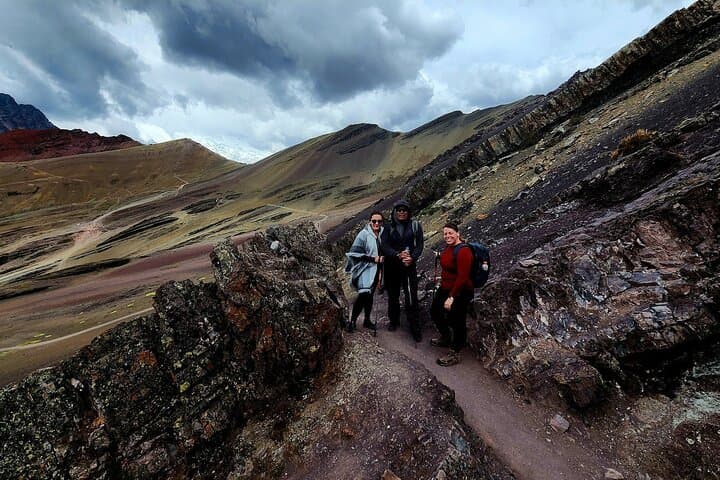
A thin air bites at the cheeks as you crest the last sweep of sodden puna grass and the mountain reveals itself: stripes of ochre, ruby, turquoise and mustard cut across a high Andean ridge. At 5,030 meters the colors of Vinicunca—commonly called Rainbow Mountain—feel almost tactile, a geological ribbon daring you to come closer while the Red Valley rolls away like a Martian plain.
A thin air bites at the cheeks as you crest the last sweep of sodden puna grass and the mountain reveals itself: stripes of ochre, ruby, turquoise and mustard cut across a high Andean ridge. At 5,030 meters the colors of Vinicunca—commonly called Rainbow Mountain—feel almost tactile, a geological ribbon daring you to come closer while the Red Valley rolls away like a Martian plain.
The colors come from millennia of exposed sediments—iron oxides, copper minerals and clays—lifted and tilted by Andean uplift. Local Quechua communities have grazed llamas and alpacas here for centuries; many regard the surrounding peaks as apus, sacred mountain spirits, and the area’s past is braided with pastoral life more than extractive industry.
Expect a day that’s long on travel and short on oxygen: typical tours leave Cusco early, a 2.5–3.5 hour drive to the trailhead, then a steep hike roughly 3 km each way with about 400–500 m of elevation gain on loose gravel and compacted dirt. The trail alternates exposed ridgelines and short sections of puna grass; the Red Valley requires a short scramble to access the best angles.
Plan practically: acclimatize in Cusco for 24–48 hours, bring sun protection and layered insulation, and hike slowly—altitude dictates pace more than distance. Operators often supply trekking poles and emergency oxygen; still, carry water, snacks, and a light first-aid kit. Visit in the dry season for clearer views but be ready for sudden wind and cold. The payoff is a high-altitude spectacle—raw, fragile, and immediate—best honored by careful travel and respect for local communities.