THE ADVENTURE COLLECTIVE® · Independent discovery and booking for outdoor travel

A full-day, high-altitude hike from Cusco to Vinicunca (Rainbow Mountain) that delivers striking mineral bands, sweeping Ausangate views and encounters with Andean highland life. Prepare for thin air, rocky terrain and an 10–12 hour day with included transport and meals.
A full-day, high-altitude hike from Cusco to Vinicunca (Rainbow Mountain) that delivers striking mineral bands, sweeping Ausangate views and encounters with Andean highland life. Prepare for thin air, rocky terrain and an 10–12 hour day with included transport and meals.
Early light on the Altiplano strips across the tundra and, a slow scramble later, the mountain’s banded colors appear like a painted ridge against a sheet of sky.
Verified experiences and guided adventures in the surrounding area.
Operated by Yeah Cusco Travel · Cusco, Cusco Region
Early light on the Altiplano strips across the tundra and, a slow scramble later, the mountain’s banded colors appear like a painted ridge against a sheet of sky.
At more than 5,200 meters the summit ridge of Vinicunca (Rainbow Mountain) reads like geology in color: iron oxides, copper sulfates and other minerals exposed by glacial retreat and millions of years of uplift and erosion. The route climbs out of high puna toward views of the Ausangate massif — a sacred Apu in Quechua cosmology — and follows trails used by local communities between seasonal pastures.
Culturally the area is active: you pass Pitumarca’s market and Quechua shepherds tending llamas and alpacas, and you’ll notice stone corrals and highland agriculture shaped by centuries of Andean life. The geology and traditional land use are visible at every turn, and the mountain’s stripes owe as much to mineral chemistry as to the slow movement of ice.
Practically, expect a long day: tours typically run 10–12 hours door-to-door from Cusco, with about 3–4 km round-trip hiking from the high trailhead and roughly 300–500 m of elevation change on uneven, rocky ground. Altitude is the primary challenge—plan 1–3 days to acclimatize in Cusco, carry layers, high-SPF sun protection, and at least 2 liters of water. Operators commonly include transport, breakfast, boxed lunch, walking poles, and emergency oxygen; guide-led pacing keeps groups safer in thin air.
Move deliberately, respect local grazing areas, and allow time at the viewpoint — the colors shift with light and weather, rewarding patience and steady breathing.
challenging.
10–12 hours.
Should be in good cardiovascular shape and accustomed to walking at altitude; prior hiking experience helpful.
Vinicunca sits above 5,200 m; the trailhead is driven to by vehicle and the hike from Hanchipacha is a steady high-altitude ascent—moderate fitness and acclimatization are important.
Most tours include hotel pickup, transport in an air-conditioned vehicle, breakfast, lunch, a professional guide, walking poles, and emergency oxygen/medical care.
The dry season (May–September) usually offers clearer skies and firmer trails; rainy season days can bring cloud cover and muddy approaches.
Not recommended for pregnant travelers, people with severe cardiovascular or respiratory conditions, or those with spinal injuries; consult a physician if in doubt.
Vinicunca’s colorful bands are exposed strata from sedimentary deposits altered by mineral oxidation and uplift; the region is historically tied to Quechua pastoralism and ritual respect for Ausangate.
High-altitude tundra is fragile—stay on marked trails, pack out waste, and support local guides to keep tourism sustainable.
Yeah Cusco Travel operates guided outdoor trips and adventures with an emphasis on safety, stewardship, and memorable experiences.
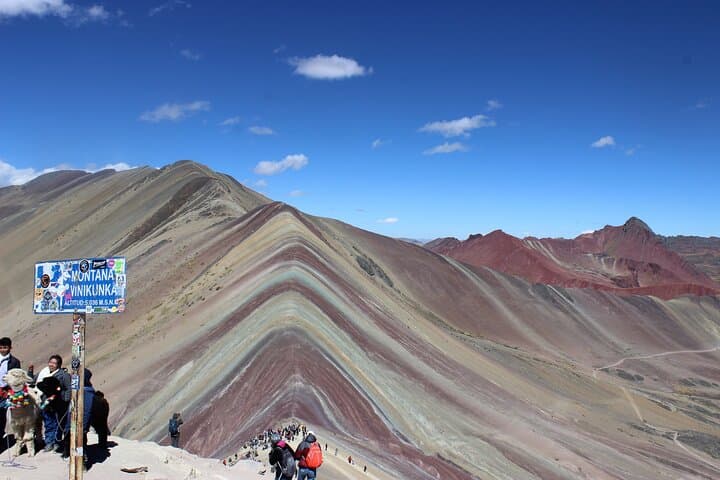
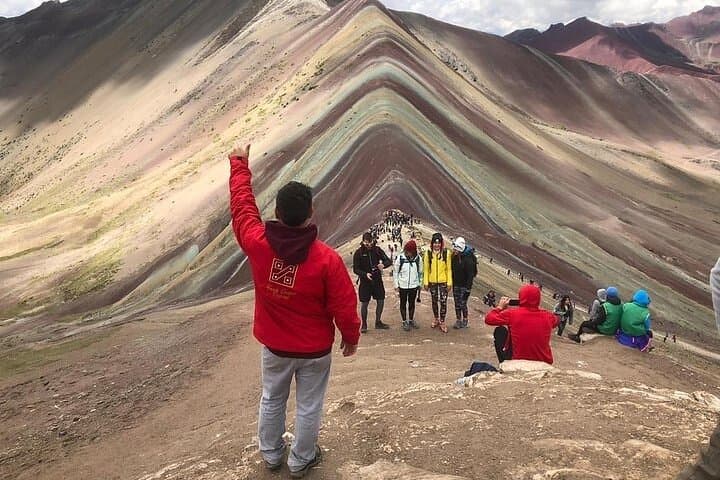
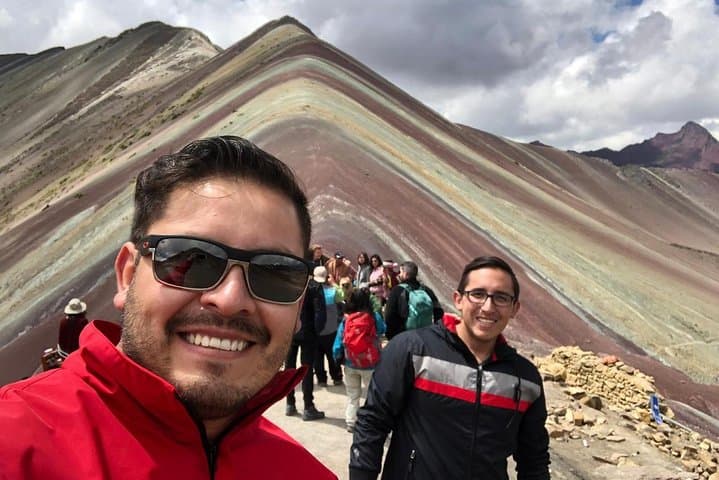
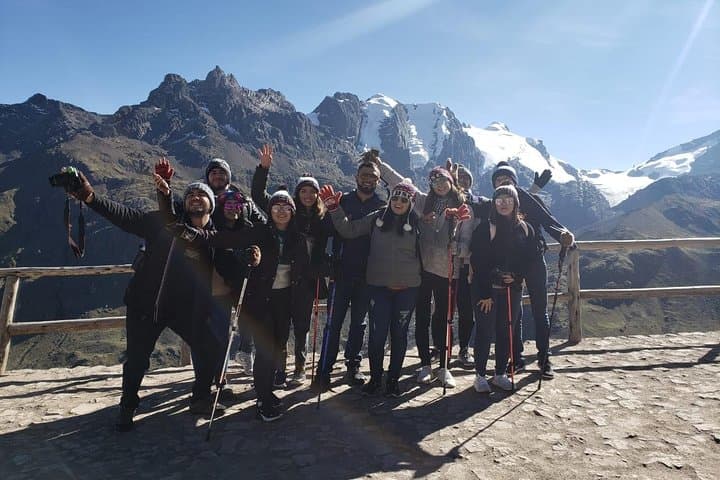
Early light on the Altiplano strips across the tundra and, a slow scramble later, the mountain’s banded colors appear like a painted ridge against a sheet of sky.
Early light on the Altiplano strips across the tundra and, a slow scramble later, the mountain’s banded colors appear like a painted ridge against a sheet of sky.
At more than 5,200 meters the summit ridge of Vinicunca (Rainbow Mountain) reads like geology in color: iron oxides, copper sulfates and other minerals exposed by glacial retreat and millions of years of uplift and erosion. The route climbs out of high puna toward views of the Ausangate massif — a sacred Apu in Quechua cosmology — and follows trails used by local communities between seasonal pastures.
Culturally the area is active: you pass Pitumarca’s market and Quechua shepherds tending llamas and alpacas, and you’ll notice stone corrals and highland agriculture shaped by centuries of Andean life. The geology and traditional land use are visible at every turn, and the mountain’s stripes owe as much to mineral chemistry as to the slow movement of ice.
Practically, expect a long day: tours typically run 10–12 hours door-to-door from Cusco, with about 3–4 km round-trip hiking from the high trailhead and roughly 300–500 m of elevation change on uneven, rocky ground. Altitude is the primary challenge—plan 1–3 days to acclimatize in Cusco, carry layers, high-SPF sun protection, and at least 2 liters of water. Operators commonly include transport, breakfast, boxed lunch, walking poles, and emergency oxygen; guide-led pacing keeps groups safer in thin air.
Move deliberately, respect local grazing areas, and allow time at the viewpoint — the colors shift with light and weather, rewarding patience and steady breathing.