THE ADVENTURE COLLECTIVE® · Independent discovery and booking for outdoor travel

Experience the colored ridges of Vinicunca on a full-day hike from Cusco. This high-altitude trek blends striking geology, Quechua culture and close-up views of Ausangate—prepare for thin air and rapidly changing weather.
Experience the colored ridges of Vinicunca on a full-day hike from Cusco. This high-altitude trek blends striking geology, Quechua culture and close-up views of Ausangate—prepare for thin air and rapidly changing weather.
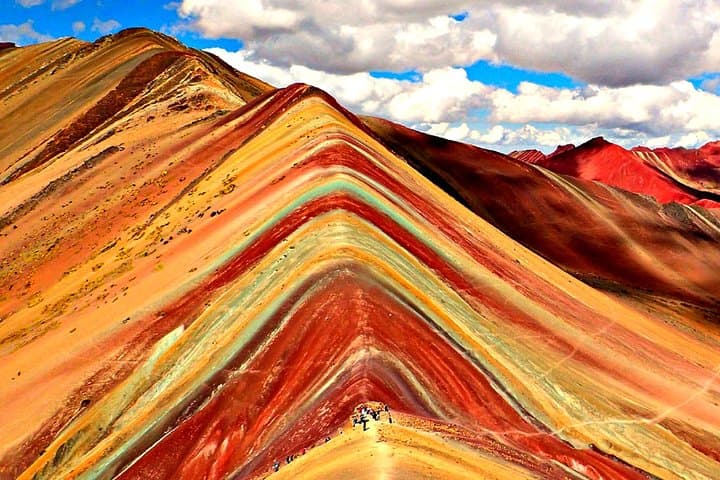
A thin light spreads across the high Andes as the group steps out of the van—breath visible, boots crunching on gravel, the colored ribs of Vinicunca rising ahead like mineral waves. The air is sharp and the peaks of Ausangate watch from the distance, glaciers still holding winter’s memory.
Verified experiences and guided adventures in the surrounding area.
Operated by Machupicchu Nice · Cusco, Cusco
A thin light spreads across the high Andes as the group steps out of the van—breath visible, boots crunching on gravel, the colored ribs of Vinicunca rising ahead like mineral waves. The air is sharp and the peaks of Ausangate watch from the distance, glaciers still holding winter’s memory.
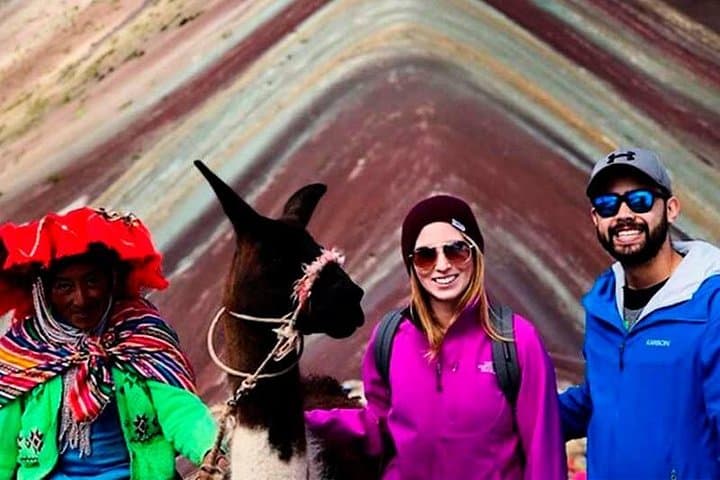
Geology here reads like a layered ledger: iron oxides, copper sulfates and clay deposits oxidized into the stripework that gives Rainbow Mountain its name. The site sits on ancestral territory of Quechua communities who have tended llamas and alpacas here for centuries; guides will often point out traditional textiles, terraced fields and family-run sodas along the route.
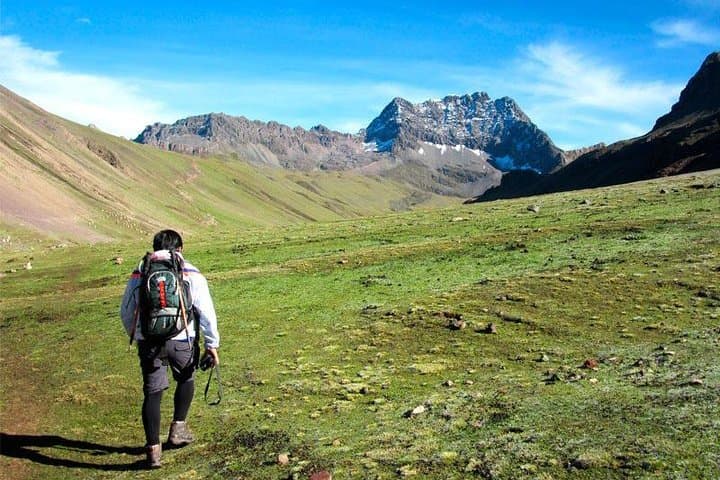
The hike itself is predominantly uphill for about an hour at the final approach, across high puna grassland that can be wind-buffed and cold. Expect thin air—altitudes exceed 5,000 meters—so the journey is as much about pacing and acclimatization as it is about views. Wildlife peeks through the tussock: curious alpacas and, if lucky, grazing vicuñas.
Practical edge: start the day early from Cusco, carry layered clothing, 2–3 liters of water, sun protection and snacks. Consider spending 48–72 hours in Cusco first to acclimate; horse rentals are available for steeper sections if needed. Entrance fees and local guides help fund trail maintenance—pack out trash and stick to marked routes to limit erosion.
By mid-afternoon the colors shift with the sun; the return trip gives time to talk with local guides about seasonal life on the high plateau before the van settles back into the city’s bustle.
challenging.
8–10 hours.
Good aerobic fitness with ability to walk uphill at high altitude; prior moderate hikes recommended.
The final stretch to the viewpoint is typically about 45–75 minutes uphill depending on fitness and acclimatization.
Yes—local operators offer horse rentals for steeper sections for a fee (about 90 Soles) but availability can vary.
Minimum age is often 12; children and older travelers should be well-acclimated and consult guides—the altitude can make the hike strenuous.
There is an entrance fee payable locally (bring ~10 Soles); guided tours typically handle logistics and transport from Cusco.
Vinicunca sits within the Ausangate cultural landscape, long revered by Quechua communities as part of their highland pastoral life and ritual cycles.
Heavy visitation has increased trail erosion; use designated paths, pack out waste and support local entrance fees and guide services that fund maintenance.
Machupicchu Nice operates guided outdoor trips and adventures with an emphasis on safety, stewardship, and memorable experiences.

A thin light spreads across the high Andes as the group steps out of the van—breath visible, boots crunching on gravel, the colored ribs of Vinicunca rising ahead like mineral waves. The air is sharp and the peaks of Ausangate watch from the distance, glaciers still holding winter’s memory.
A thin light spreads across the high Andes as the group steps out of the van—breath visible, boots crunching on gravel, the colored ribs of Vinicunca rising ahead like mineral waves. The air is sharp and the peaks of Ausangate watch from the distance, glaciers still holding winter’s memory.
Geology here reads like a layered ledger: iron oxides, copper sulfates and clay deposits oxidized into the stripework that gives Rainbow Mountain its name. The site sits on ancestral territory of Quechua communities who have tended llamas and alpacas here for centuries; guides will often point out traditional textiles, terraced fields and family-run sodas along the route.
The hike itself is predominantly uphill for about an hour at the final approach, across high puna grassland that can be wind-buffed and cold. Expect thin air—altitudes exceed 5,000 meters—so the journey is as much about pacing and acclimatization as it is about views. Wildlife peeks through the tussock: curious alpacas and, if lucky, grazing vicuñas.
Practical edge: start the day early from Cusco, carry layered clothing, 2–3 liters of water, sun protection and snacks. Consider spending 48–72 hours in Cusco first to acclimate; horse rentals are available for steeper sections if needed. Entrance fees and local guides help fund trail maintenance—pack out trash and stick to marked routes to limit erosion.
By mid-afternoon the colors shift with the sun; the return trip gives time to talk with local guides about seasonal life on the high plateau before the van settles back into the city’s bustle.