THE ADVENTURE COLLECTIVE® · Independent discovery and booking for outdoor travel

A high-altitude day trek from Cusco to Vinicunca (Rainbow Mountain) that combines dramatic mineral colors, Andean culture, and brisk alpine hiking — plan for altitude, early starts, and variable weather.
A high-altitude day trek from Cusco to Vinicunca (Rainbow Mountain) that combines dramatic mineral colors, Andean culture, and brisk alpine hiking — plan for altitude, early starts, and variable weather.
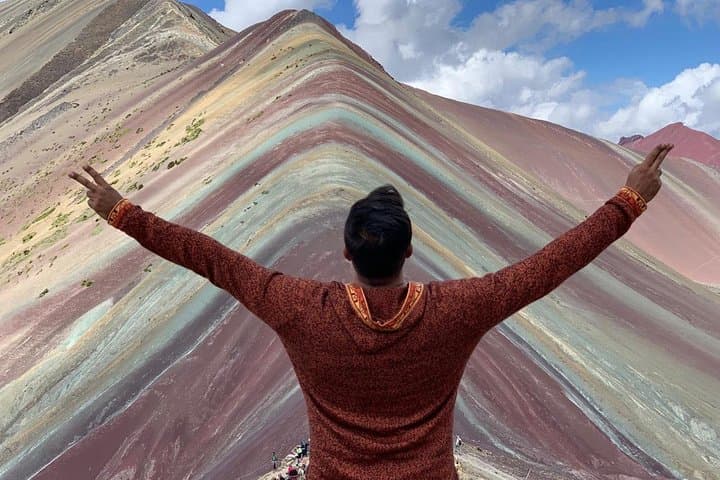
The bus eases out of Cusco before dawn; mountain air bites at your face and the sky is a hard, cold blue. By midmorning you stand at 4,600 m, boots on gravel, and the ridge ahead unfurls in bands of ochre, rose and green — colors sharpened by altitude and thin light. The wind here has a presence of its own, pushing breath into your lungs and urging you onward.
Verified experiences and guided adventures in the surrounding area.
Operated by Exploring Peru Tours · Cusco, Cusco Region
The bus eases out of Cusco before dawn; mountain air bites at your face and the sky is a hard, cold blue. By midmorning you stand at 4,600 m, boots on gravel, and the ridge ahead unfurls in bands of ochre, rose and green — colors sharpened by altitude and thin light. The wind here has a presence of its own, pushing breath into your lungs and urging you onward.
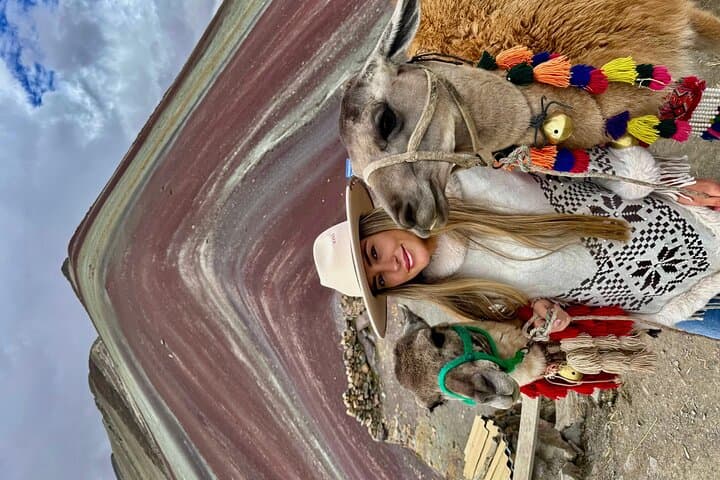
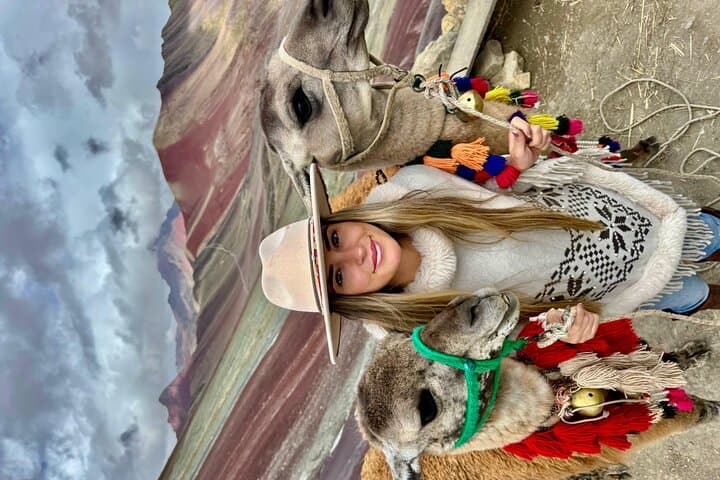
This route follows local paths used by Andean communities for generations. Geologically the stripes are iron and copper oxides, clays and mineral deposits exposed by glacial retreat and erosion at roughly 5,036 m. Culturally, the mountain lies within communities that maintain Quechua traditions; many tours stop in Cusipata and small villages where families prepare breakfast and lunch and offer woven handicrafts.
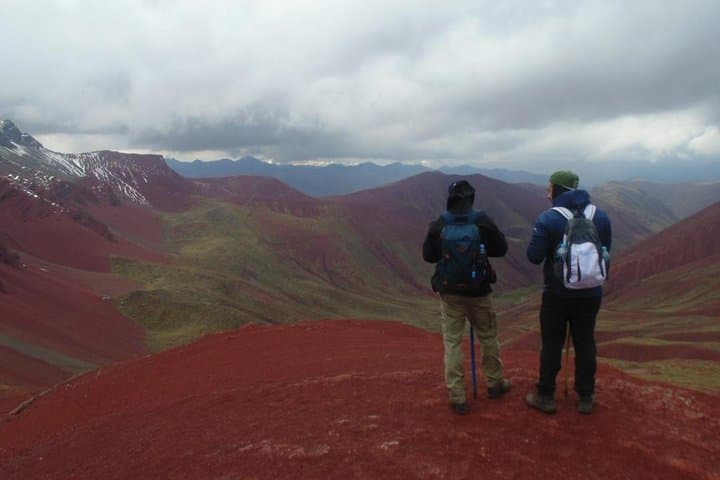
Expect a straightforward out-and-back trail of rocky switchbacks and loose scree, 1–2 hours ascent from the 4,600 m trailhead depending on pace and acclimatization. Altitude is the main challenge — headaches and breathlessness are common. Guides provide oxygen and first aid; polite haggling for local photos and small purchases is normal at the summit.
Practical guidance: start early to avoid crowds and afternoon storms, layer for sun and wind, carry at least 2 liters of water, and use trekking poles for balance on the descent. If you have any heart or spinal issues, consider skipping the hike; if you’re traveling from Cusco (3,400 m), spend a day or two acclimatizing. The reward is expansive high-Andean panoramas and the rare spectacle of color at altitude.
moderate.
10–12 hours.
Moderate cardiovascular fitness recommended; ability to hike 1–2 hours uphill at high altitude and handle loose scree.
The trailhead trek is about 1–1.5 hours uphill for most visitors from the Pulawasipata/4,600 m starting point; factor in additional time for stops and descent.
Yes—symptoms like headache and nausea are common; acclimatize in Cusco, hydrate, eat carbohydrates, move slowly, and notify guides if symptoms worsen.
Dry season (May–September) offers clearer skies and firmer trails; the shoulder months can be quieter but wet-season trails may be slippery.
Most day tours include round-trip transport from Cusco, a bilingual guide, breakfast en route, buffet lunch, and basic first aid and oxygen; check booking details for specifics.
The area sits within traditional Quechua lands; seasonal herding and weaving traditions continue in the communities that host trekkers.
High visitor numbers and erosion strain fragile puna soils—stick to marked trails, avoid littering, and support local guides and community-run services.
Exploring Peru Tours operates guided outdoor trips and adventures with an emphasis on safety, stewardship, and memorable experiences.
The bus eases out of Cusco before dawn; mountain air bites at your face and the sky is a hard, cold blue. By midmorning you stand at 4,600 m, boots on gravel, and the ridge ahead unfurls in bands of ochre, rose and green — colors sharpened by altitude and thin light. The wind here has a presence of its own, pushing breath into your lungs and urging you onward.
The bus eases out of Cusco before dawn; mountain air bites at your face and the sky is a hard, cold blue. By midmorning you stand at 4,600 m, boots on gravel, and the ridge ahead unfurls in bands of ochre, rose and green — colors sharpened by altitude and thin light. The wind here has a presence of its own, pushing breath into your lungs and urging you onward.
This route follows local paths used by Andean communities for generations. Geologically the stripes are iron and copper oxides, clays and mineral deposits exposed by glacial retreat and erosion at roughly 5,036 m. Culturally, the mountain lies within communities that maintain Quechua traditions; many tours stop in Cusipata and small villages where families prepare breakfast and lunch and offer woven handicrafts.
Expect a straightforward out-and-back trail of rocky switchbacks and loose scree, 1–2 hours ascent from the 4,600 m trailhead depending on pace and acclimatization. Altitude is the main challenge — headaches and breathlessness are common. Guides provide oxygen and first aid; polite haggling for local photos and small purchases is normal at the summit.
Practical guidance: start early to avoid crowds and afternoon storms, layer for sun and wind, carry at least 2 liters of water, and use trekking poles for balance on the descent. If you have any heart or spinal issues, consider skipping the hike; if you’re traveling from Cusco (3,400 m), spend a day or two acclimatizing. The reward is expansive high-Andean panoramas and the rare spectacle of color at altitude.