THE ADVENTURE COLLECTIVE® · Independent discovery and booking for outdoor travel

Trade city canals for bamboo-swept trails on Qionglong Mountain. This private day tour pairs a 6–7 hour hike with a temple lunch of vegetarian noodles and a bamboo-path tea tasting—ideal for cultural hikers who want both views and local flavor.
Trade city canals for bamboo-swept trails on Qionglong Mountain. This private day tour pairs a 6–7 hour hike with a temple lunch of vegetarian noodles and a bamboo-path tea tasting—ideal for cultural hikers who want both views and local flavor.
Morning light slices through bamboo as the trail climbs Qionglong Mountain, the highest rise in Suzhou. The path alternates between stone steps and packed dirt, and the forest seems to breathe—breezes moving the bamboo like an audience urging you onward. By midday you can smell steamed noodles drifting from a distant temple kitchen and the faint astringency of fresh green tea waiting at the route’s end.
Verified experiences and guided adventures in the surrounding area.
Operated by MoreFunAsia · Suzhou, Jiangsu
Morning light slices through bamboo as the trail climbs Qionglong Mountain, the highest rise in Suzhou. The path alternates between stone steps and packed dirt, and the forest seems to breathe—breezes moving the bamboo like an audience urging you onward. By midday you can smell steamed noodles drifting from a distant temple kitchen and the faint astringency of fresh green tea waiting at the route’s end.
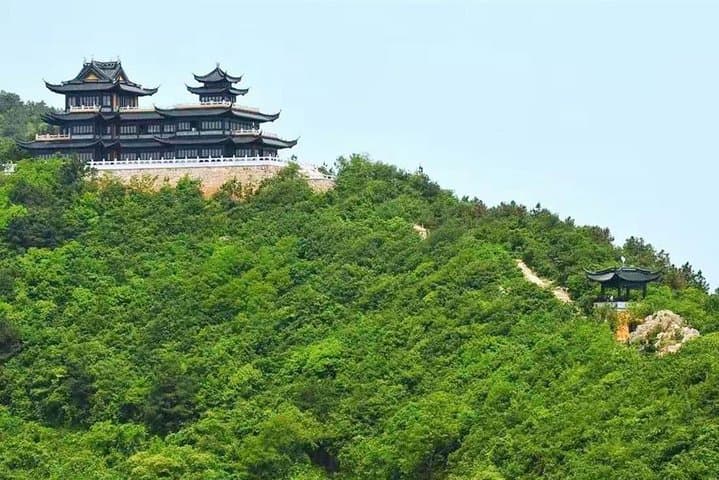
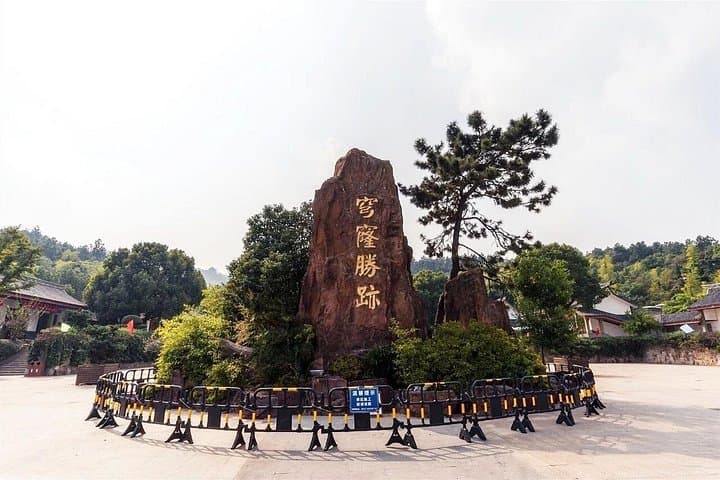
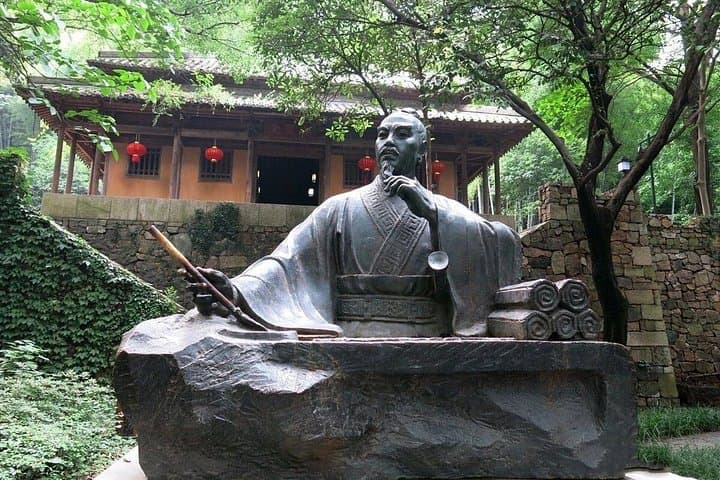
Qionglong Mountain (341.7 m) is more than a local summit: its slopes hold over two millennia of cultural footprints, linked in local lore to Sun Tzu and historic military sites. Geologically modest but ecologically rich, the park protects mixed broadleaf stands, bamboo groves and a provincial natural reserve—hence the well-maintained trails and the long scenic skywalk that offers open views toward Suzhou’s plains.
Culturally the mountain blends Buddhism, tea culture and rural culinary traditions: a hidden Ningbang Temple serves simple vegetarian noodles made with spring water and mountain vegetables; a small teahouse under bamboo offers single-origin green brews. Expect respectful quiet around religious sites and the slow, convivial pace of a tea tasting.
Practical guidance: plan for a 6–7 hour outing with roughly 300–400 m cumulative elevation gain. Wear grippy shoes for mossy stone steps, carry 1–1.5 L of water, and bring a light rain layer—mountain weather shifts fast. Keep to marked trails, leave no trace around the temple, and time your visit to avoid midday crowds if you want quiet at the teahouse.
moderate.
6–7 hours.
Suitable for travelers who can hike 8–12 km with 300–400 m total elevation gain; steady walking fitness recommended.
The full tour lasts about 6–7 hours; the mountain’s summit is 341.7 m and expect roughly 300–400 m of cumulative elevation gain across the day.
Yes—vegetarian noodles at Ningbang Temple and a guided tea tasting at the bamboo teahouse are included in the itinerary.
The tour notes stroller and wheelchair accessibility for portions, but some sections include steps; check pickup and specific accessibility needs with the operator before booking.
Spring and autumn offer the most comfortable temperatures and clearer views; summer can be humid and winter cooler but quieter.
Qionglong Mountain has been a cultural site for over 2,000 years and figures in local military lore connected to Sun Tzu’s historical region.
The mountain sits within a provincial natural reserve and national forest park—stay on established trails, pack out waste, and support local tea and temple conservation practices.
MoreFunAsia operates guided outdoor trips and adventures with an emphasis on safety, stewardship, and memorable experiences.
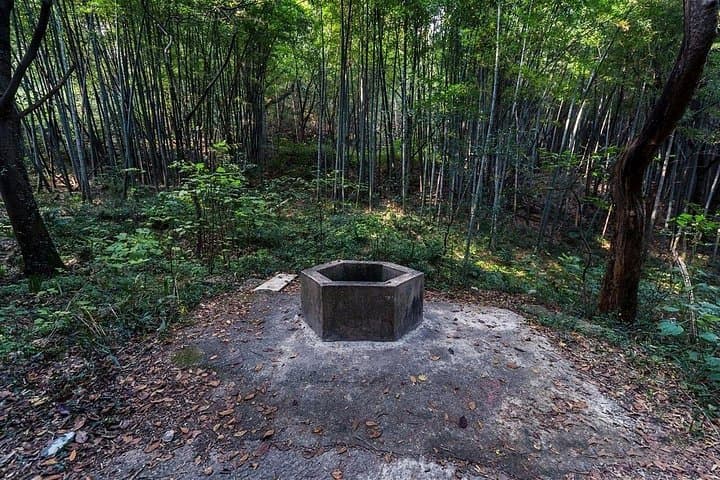
Morning light slices through bamboo as the trail climbs Qionglong Mountain, the highest rise in Suzhou. The path alternates between stone steps and packed dirt, and the forest seems to breathe—breezes moving the bamboo like an audience urging you onward. By midday you can smell steamed noodles drifting from a distant temple kitchen and the faint astringency of fresh green tea waiting at the route’s end.
Morning light slices through bamboo as the trail climbs Qionglong Mountain, the highest rise in Suzhou. The path alternates between stone steps and packed dirt, and the forest seems to breathe—breezes moving the bamboo like an audience urging you onward. By midday you can smell steamed noodles drifting from a distant temple kitchen and the faint astringency of fresh green tea waiting at the route’s end.
Qionglong Mountain (341.7 m) is more than a local summit: its slopes hold over two millennia of cultural footprints, linked in local lore to Sun Tzu and historic military sites. Geologically modest but ecologically rich, the park protects mixed broadleaf stands, bamboo groves and a provincial natural reserve—hence the well-maintained trails and the long scenic skywalk that offers open views toward Suzhou’s plains.
Culturally the mountain blends Buddhism, tea culture and rural culinary traditions: a hidden Ningbang Temple serves simple vegetarian noodles made with spring water and mountain vegetables; a small teahouse under bamboo offers single-origin green brews. Expect respectful quiet around religious sites and the slow, convivial pace of a tea tasting.
Practical guidance: plan for a 6–7 hour outing with roughly 300–400 m cumulative elevation gain. Wear grippy shoes for mossy stone steps, carry 1–1.5 L of water, and bring a light rain layer—mountain weather shifts fast. Keep to marked trails, leave no trace around the temple, and time your visit to avoid midday crowds if you want quiet at the teahouse.