THE ADVENTURE COLLECTIVE® · Independent discovery and booking for outdoor travel

Follow a 11 km coastal loop to Punta Giglio and Cala Bramassa in Porto Conte Park, where limestone cliffs, WWII posts and sweeping bay views meet local snacks and sea breeze. This 3–4 hour hike rewards steady hikers with biodiversity and iconic views of Capo Caccia.
Follow a 11 km coastal loop to Punta Giglio and Cala Bramassa in Porto Conte Park, where limestone cliffs, WWII posts and sweeping bay views meet local snacks and sea breeze. This 3–4 hour hike rewards steady hikers with biodiversity and iconic views of Capo Caccia.
You set off from a sun-warmed parking area and the trail immediately leans toward sea—pines thinning to scrub, limestone crags opening views of a raw blue bay. The path climbs and drops, each rounded cove revealing another angle of Capo Caccia’s cliffs. Midway, a small picnic pause becomes an act of pilgrimage: local cheeses, crusty bread and the breeze that carries salt and thyme.
Verified experiences and guided adventures in the surrounding area.
Operated by Escursì - experience sardinia · Alghero, Sardinia
You set off from a sun-warmed parking area and the trail immediately leans toward sea—pines thinning to scrub, limestone crags opening views of a raw blue bay. The path climbs and drops, each rounded cove revealing another angle of Capo Caccia’s cliffs. Midway, a small picnic pause becomes an act of pilgrimage: local cheeses, crusty bread and the breeze that carries salt and thyme.
Porto Conte Regional Park was established in 1999 to protect 5,000 hectares of coastline and maquis; its cliffs are Carboniferous limestone scarred by marine erosion and shallow caves. Walkers pass WWII concrete posts and abandoned observation points that mark the coast’s strategic past. Sardinian fishing hamlets and Catalan-influenced Alghero culture flavor snack stops—expect simple, robust flavors rather than haute cuisine.
The route to Punta Giglio and Cala Bramassa runs roughly 11 km with about 300 m of elevation change, moving over hard-packed dirt, rocky ledges and short scree pitches. Expect exposed sections with little shade and clear coastal panoramas; binoculars reward birdwatchers.
Practical guidance: wear stiff-soled trekking shoes and layered clothing to handle coastal wind and sun variability. Carry at least 1.5–2 L of water, a windproof jacket and basic first-aid items. Start early to avoid midday heat and to see the light on Capo Caccia when the air is sharpest. The trail is waymarked but bring a map or GPS; stay on established paths to protect fragile scrub and nesting birds.
challenging.
3–4 hours.
Suitable for hikers with good endurance who can handle 11 km and ~300 m elevation gain.
The route is about 11 km with roughly 300 m of cumulative elevation; expect 3–4 hours and a challenging but non-technical effort.
This tour typically includes a guide and park entrance; confirm on booking and check meeting time and location.
Not recommended for those with serious back problems; children used to hikes can join but assess stamina for the distance and uneven terrain.
Spring and fall offer mild temperatures and blooming maquis; early starts in summer avoid midday heat and crowds.
The park became a regional protected area in 1999 and expanded to include the Capo Caccia Marine Area in 2002; the coast also bears WWII military remnants.
Porto Conte is a protected landscape; stick to paths to protect maquis habitat and seabird nesting sites and avoid disturbing archaeological and military remains.
Escursì - experience sardinia operates guided outdoor trips and adventures with an emphasis on safety, stewardship, and memorable experiences.
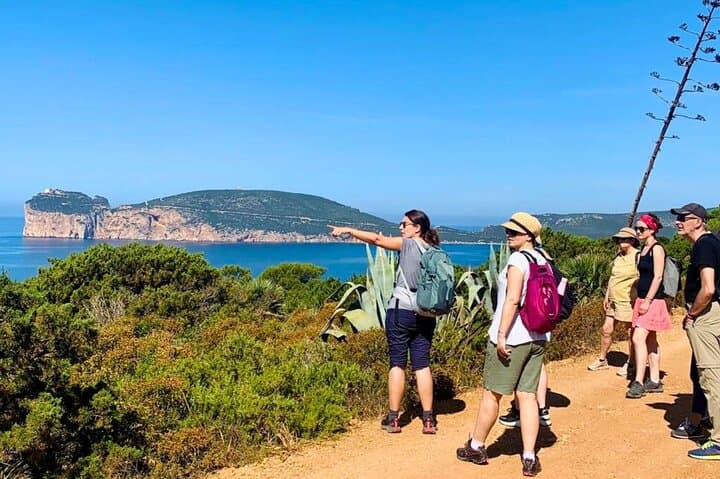
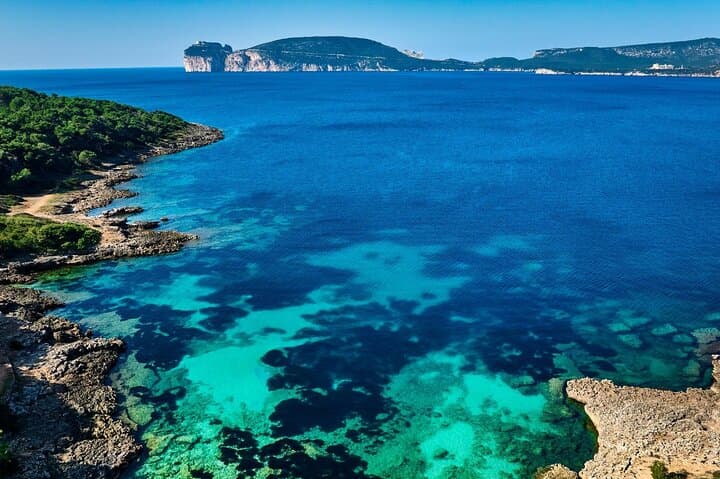
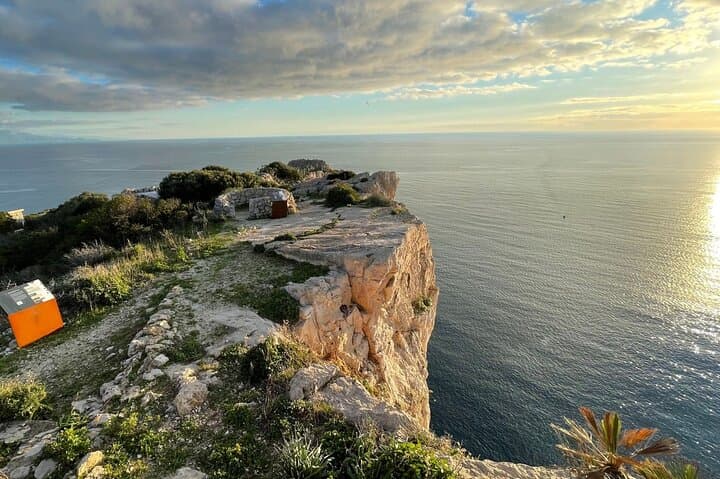
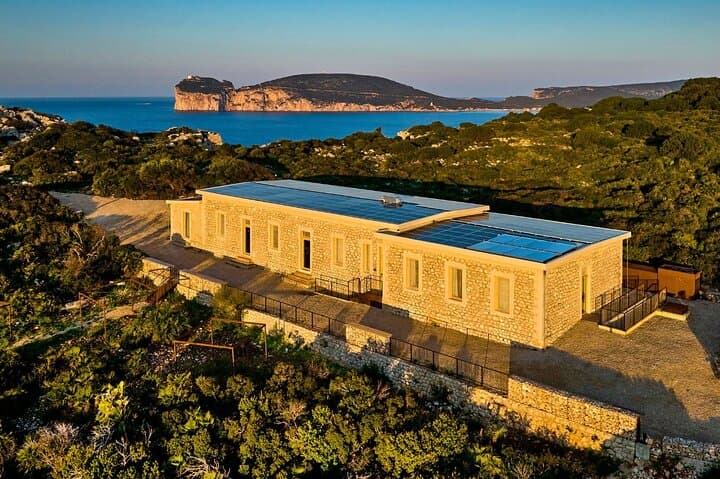
You set off from a sun-warmed parking area and the trail immediately leans toward sea—pines thinning to scrub, limestone crags opening views of a raw blue bay. The path climbs and drops, each rounded cove revealing another angle of Capo Caccia’s cliffs. Midway, a small picnic pause becomes an act of pilgrimage: local cheeses, crusty bread and the breeze that carries salt and thyme.
You set off from a sun-warmed parking area and the trail immediately leans toward sea—pines thinning to scrub, limestone crags opening views of a raw blue bay. The path climbs and drops, each rounded cove revealing another angle of Capo Caccia’s cliffs. Midway, a small picnic pause becomes an act of pilgrimage: local cheeses, crusty bread and the breeze that carries salt and thyme.
Porto Conte Regional Park was established in 1999 to protect 5,000 hectares of coastline and maquis; its cliffs are Carboniferous limestone scarred by marine erosion and shallow caves. Walkers pass WWII concrete posts and abandoned observation points that mark the coast’s strategic past. Sardinian fishing hamlets and Catalan-influenced Alghero culture flavor snack stops—expect simple, robust flavors rather than haute cuisine.
The route to Punta Giglio and Cala Bramassa runs roughly 11 km with about 300 m of elevation change, moving over hard-packed dirt, rocky ledges and short scree pitches. Expect exposed sections with little shade and clear coastal panoramas; binoculars reward birdwatchers.
Practical guidance: wear stiff-soled trekking shoes and layered clothing to handle coastal wind and sun variability. Carry at least 1.5–2 L of water, a windproof jacket and basic first-aid items. Start early to avoid midday heat and to see the light on Capo Caccia when the air is sharpest. The trail is waymarked but bring a map or GPS; stay on established paths to protect fragile scrub and nesting birds.