THE ADVENTURE COLLECTIVE® · Independent discovery and booking for outdoor travel

Walk across petrified lava and climb toward the smoking cone of Pacaya, one of Guatemala’s most active volcanoes. This guided hike from Antigua combines dramatic geology, village culture, and hands-on volcanic terrain.
Walk across petrified lava and climb toward the smoking cone of Pacaya, one of Guatemala’s most active volcanoes. This guided hike from Antigua combines dramatic geology, village culture, and hands-on volcanic terrain.
You step off the minibus into a wind that tastes faintly of sulfur and dust; black, glassy lava fields stretch to a smoking cone that seems to breathe. The trail climbs across broken basalt and scoria, each footfall a reminder that the mountain is alive — not theatrical, but insistently present.
Verified experiences and guided adventures in the surrounding area.
Operated by Jade Tours · Antigua Guatemala, Sacatepéquez
You step off the minibus into a wind that tastes faintly of sulfur and dust; black, glassy lava fields stretch to a smoking cone that seems to breathe. The trail climbs across broken basalt and scoria, each footfall a reminder that the mountain is alive — not theatrical, but insistently present.
Pacaya is one of Guatemala’s most active volcanoes, rising to roughly 2,552 m (8,373 ft). Its recent eruptions have created extensive lava flows and fields of clinker rock that hikers traverse to reach high-angle viewpoints. Geologically, Pacaya is a basaltic stratovolcano whose eruptions deposit jagged pahoehoe and ʻaʻā textures; culturally, its slopes sit within a coffee-growing region and locals often sell snacks and roasted marshmallows warmed on warm stones.
Expect a route of roughly 4–6 km round-trip with about 250–400 m of elevation gain depending on the access point; much of the hike is uneven volcanic rock and loose scree. Guides included with the tour know recent flow activity and route choices — follow them closely. Morning departures reduce heat, wind and ash exposure; afternoon weather can bring rapid clouds and cooler temperatures.
Practical: wear sturdy hiking boots with good ankle support, bring 1–2 liters of water, sun protection and a windproof layer. Take small steps on loose scoria to avoid slipping, and carry cash for roadside snacks or tips. Avoid areas with fresh steam vents, respect closures, and be prepared for dusty, abrasive terrain. The route rewards effort with wide valley views, the smell of cut grass from lower farms, and the stark contrast of dark lava against sky — an elemental hike that pairs geology with the lived landscape of Antigua.
moderate.
6 hours.
Moderate fitness; comfortable walking on uneven terrain for several hours with short steep sections.
The tour is roughly 6 hours total including transport; local guide and transport from Antigua are typically included.
Pacaya is active; eruptions vary in scale. Tours use current monitoring and local guides to avoid hazardous zones but closures may occur for safety.
Not recommended for pregnant travelers or those with serious cardiovascular conditions; check operator age limits and physical requirements for children.
Sturdy, closed-toe hiking boots with good tread and ankle support are recommended due to sharp, loose volcanic rocks.
Pacaya’s modern eruptive phase has been active since the mid-20th century; its frequent flows have reshaped access routes and created the current lava fields.
Stick to established trails to avoid trampling fragile pioneer plants and accelerating erosion; local guides promote low-impact visits and support community income.
Jade Tours operates guided outdoor trips and adventures with an emphasis on safety, stewardship, and memorable experiences.
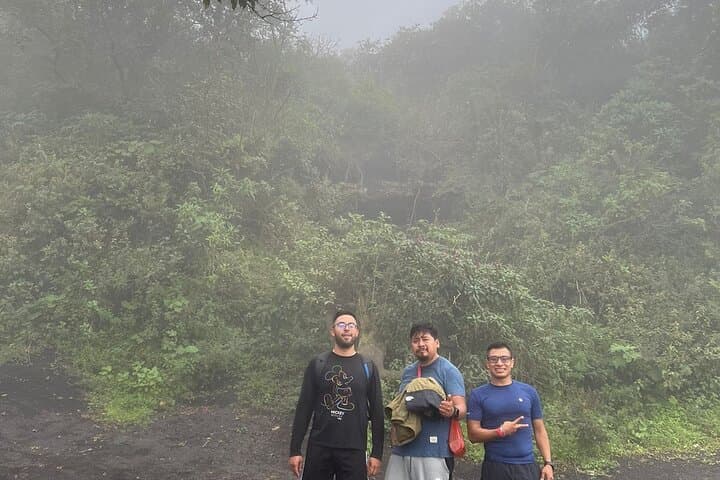
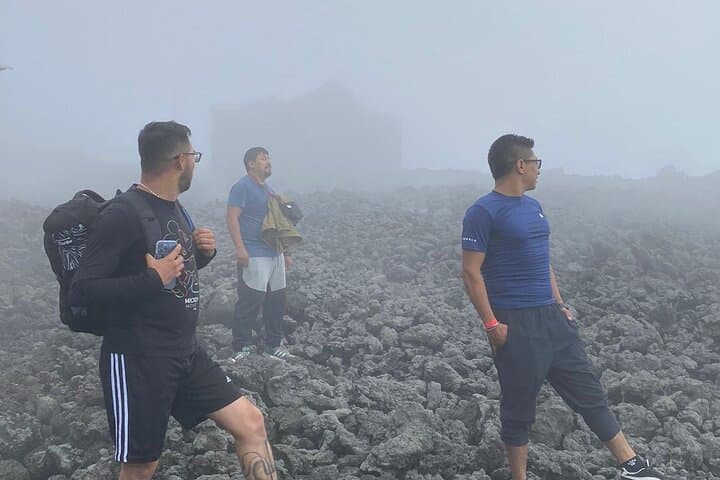
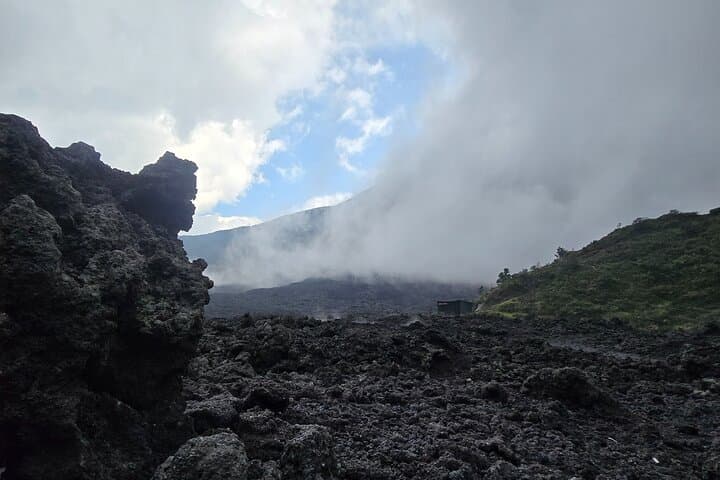
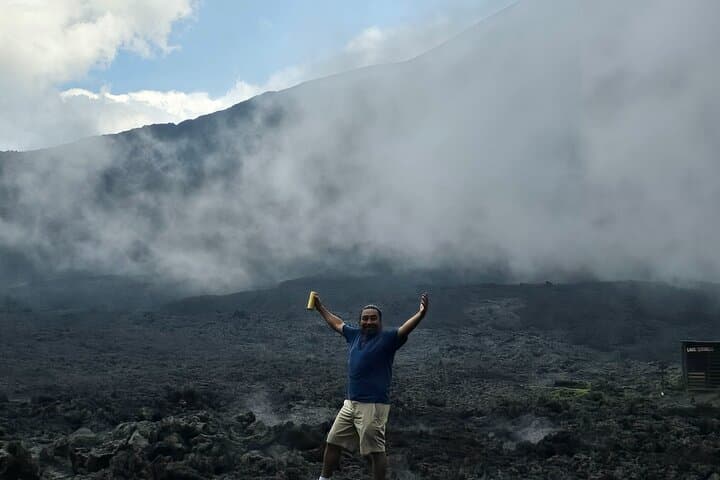
You step off the minibus into a wind that tastes faintly of sulfur and dust; black, glassy lava fields stretch to a smoking cone that seems to breathe. The trail climbs across broken basalt and scoria, each footfall a reminder that the mountain is alive — not theatrical, but insistently present.
You step off the minibus into a wind that tastes faintly of sulfur and dust; black, glassy lava fields stretch to a smoking cone that seems to breathe. The trail climbs across broken basalt and scoria, each footfall a reminder that the mountain is alive — not theatrical, but insistently present.
Pacaya is one of Guatemala’s most active volcanoes, rising to roughly 2,552 m (8,373 ft). Its recent eruptions have created extensive lava flows and fields of clinker rock that hikers traverse to reach high-angle viewpoints. Geologically, Pacaya is a basaltic stratovolcano whose eruptions deposit jagged pahoehoe and ʻaʻā textures; culturally, its slopes sit within a coffee-growing region and locals often sell snacks and roasted marshmallows warmed on warm stones.
Expect a route of roughly 4–6 km round-trip with about 250–400 m of elevation gain depending on the access point; much of the hike is uneven volcanic rock and loose scree. Guides included with the tour know recent flow activity and route choices — follow them closely. Morning departures reduce heat, wind and ash exposure; afternoon weather can bring rapid clouds and cooler temperatures.
Practical: wear sturdy hiking boots with good ankle support, bring 1–2 liters of water, sun protection and a windproof layer. Take small steps on loose scoria to avoid slipping, and carry cash for roadside snacks or tips. Avoid areas with fresh steam vents, respect closures, and be prepared for dusty, abrasive terrain. The route rewards effort with wide valley views, the smell of cut grass from lower farms, and the stark contrast of dark lava against sky — an elemental hike that pairs geology with the lived landscape of Antigua.