THE ADVENTURE COLLECTIVE® · Independent discovery and booking for outdoor travel

Experience the raw geology and possible lava glow of Pacaya on a guided ascent from Antigua. This 3–4 hour outing crosses petrified lava, rewards with cone-studded panoramas, and requires steady footing and sensible layering.
Experience the raw geology and possible lava glow of Pacaya on a guided ascent from Antigua. This 3–4 hour outing crosses petrified lava, rewards with cone-studded panoramas, and requires steady footing and sensible layering.
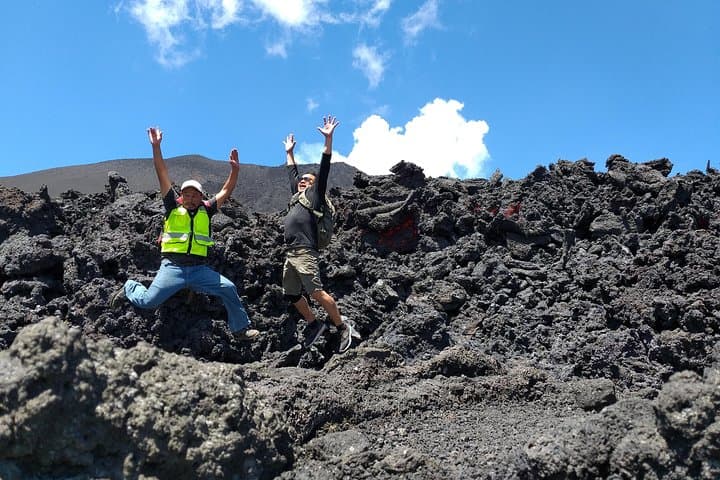
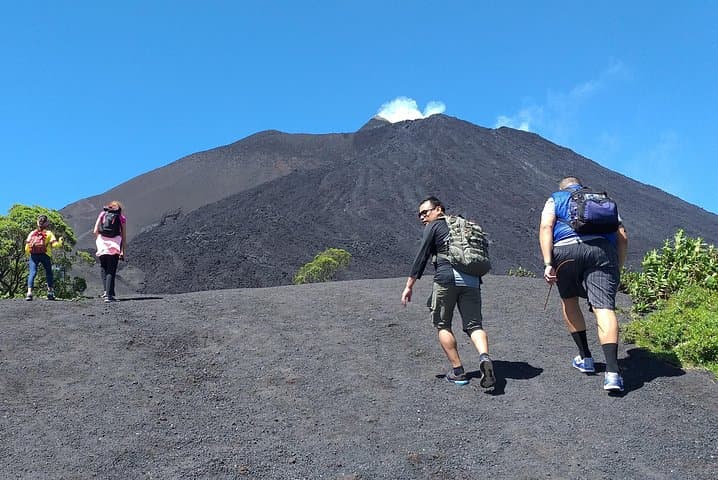
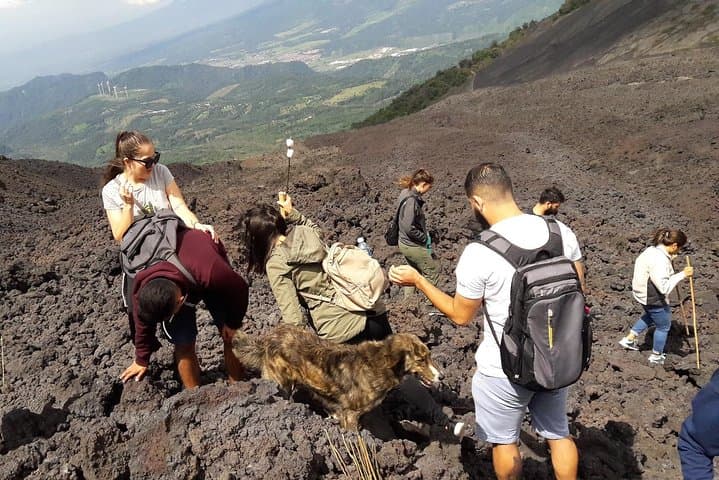
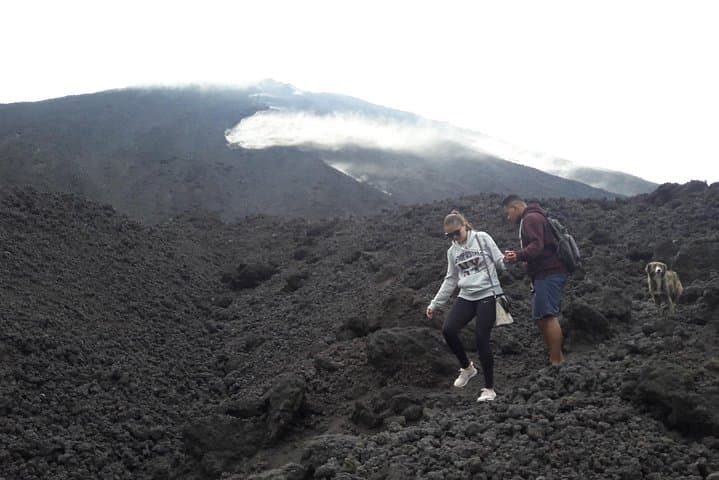
A low rumble underfoot, a horizon scored by neighboring cones and the sharp smell of sulfur — that’s the opening scene on a Pacaya Volcano hike from Antigua. Walkers gather in an air-conditioned vehicle for the short drive to San Francisco de Sales, then set off on a 2½-hour climb across scrub, old lava flows and loose volcanic scree toward the summit area. The ground changes from soil to hard, jagged lava; the rock underfoot is evidence of the volcano’s recent geological life.
Verified experiences and guided adventures in the surrounding area.
Operated by Paraíso Guatemala Travel Agency · San Francisco de Sales, Escuintla
A low rumble underfoot, a horizon scored by neighboring cones and the sharp smell of sulfur — that’s the opening scene on a Pacaya Volcano hike from Antigua. Walkers gather in an air-conditioned vehicle for the short drive to San Francisco de Sales, then set off on a 2½-hour climb across scrub, old lava flows and loose volcanic scree toward the summit area. The ground changes from soil to hard, jagged lava; the rock underfoot is evidence of the volcano’s recent geological life.
Pacaya is one peak in Guatemala’s volcanic spine and has been frequently active since the mid-20th century, producing fresh lava flows that cool into the black, fractured surfaces hikers cross. The route offers wide views of Agua, Fuego and Acatenango on clear days, and local guides share how the volcano shapes farming and folklore around Antigua.
Practical notes: expect roughly 3–4 hours total on the trail (about 2.5 hours up, 1 hour down). Terrain is uneven and rocky; elevation reaches roughly 2,500 meters, so pace conservatively and watch for loose footing. Weather shifts quickly — strong sun in the dry season and sudden showers in the wet months — so layer. Many groups time departures early to avoid mid-afternoon heat and to increase the chance of seeing incandescent flows if activity is present.
Tours typically include a guided ascent, round-trip transport from Antigua and a local guide. Respect restricted zones: volcanic terrain is both fragile and potentially unstable. Carry water, sturdy shoes, and an eye on guide instructions for the safest, most rewarding experience.
moderate.
3–4 hours.
Moderate cardiovascular fitness and steady hiking capability; comfortable on sustained uphill sections.
The guided hike is typically 3–4 hours total: about 2.5 hours ascending and roughly 1 hour descending, depending on pace and conditions.
Possibly — Pacaya is frequently active and visitors sometimes see glowing lava or fresh flows; visibility depends on current volcanic activity and time of day.
Not recommended for very young children, pregnant travelers, or people with serious spinal or cardiovascular conditions due to uneven terrain and altitude; moderate fitness is required.
Wear sturdy boots, layered clothing, sun protection and bring water; mornings during the dry season offer the best combination of comfort and visibility.
Pacaya is part of Guatemala’s active volcanic chain and has produced frequent eruptions since the 1960s, reshaping slopes and local agriculture.
Stay on marked trails, avoid removing rocks, and pack out all waste to protect fragile volcanic soils and native vegetation.
Paraíso Guatemala Travel Agency operates guided outdoor trips and adventures with an emphasis on safety, stewardship, and memorable experiences.
A low rumble underfoot, a horizon scored by neighboring cones and the sharp smell of sulfur — that’s the opening scene on a Pacaya Volcano hike from Antigua. Walkers gather in an air-conditioned vehicle for the short drive to San Francisco de Sales, then set off on a 2½-hour climb across scrub, old lava flows and loose volcanic scree toward the summit area. The ground changes from soil to hard, jagged lava; the rock underfoot is evidence of the volcano’s recent geological life.
A low rumble underfoot, a horizon scored by neighboring cones and the sharp smell of sulfur — that’s the opening scene on a Pacaya Volcano hike from Antigua. Walkers gather in an air-conditioned vehicle for the short drive to San Francisco de Sales, then set off on a 2½-hour climb across scrub, old lava flows and loose volcanic scree toward the summit area. The ground changes from soil to hard, jagged lava; the rock underfoot is evidence of the volcano’s recent geological life.
Pacaya is one peak in Guatemala’s volcanic spine and has been frequently active since the mid-20th century, producing fresh lava flows that cool into the black, fractured surfaces hikers cross. The route offers wide views of Agua, Fuego and Acatenango on clear days, and local guides share how the volcano shapes farming and folklore around Antigua.
Practical notes: expect roughly 3–4 hours total on the trail (about 2.5 hours up, 1 hour down). Terrain is uneven and rocky; elevation reaches roughly 2,500 meters, so pace conservatively and watch for loose footing. Weather shifts quickly — strong sun in the dry season and sudden showers in the wet months — so layer. Many groups time departures early to avoid mid-afternoon heat and to increase the chance of seeing incandescent flows if activity is present.
Tours typically include a guided ascent, round-trip transport from Antigua and a local guide. Respect restricted zones: volcanic terrain is both fragile and potentially unstable. Carry water, sturdy shoes, and an eye on guide instructions for the safest, most rewarding experience.