THE ADVENTURE COLLECTIVE® · Independent discovery and booking for outdoor travel

Walk across recent lava fields and stand near steaming vents on a guided day hike to Pacaya Volcano from Antigua. This accessible active‑volcano tour blends geology, local history and panoramic views into a 4–6 hour outing.
Walk across recent lava fields and stand near steaming vents on a guided day hike to Pacaya Volcano from Antigua. This accessible active‑volcano tour blends geology, local history and panoramic views into a 4–6 hour outing.
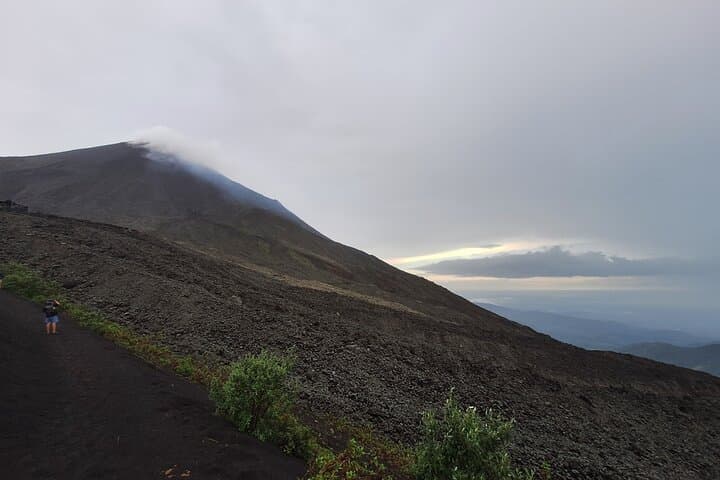
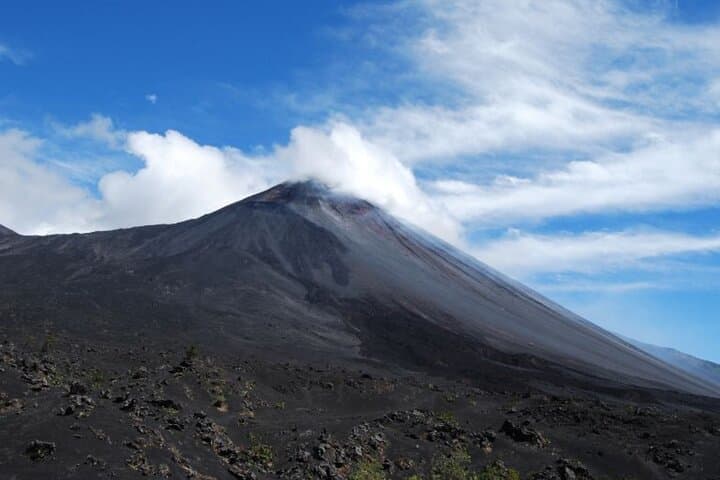
The morning air in Antigua is cool and sharp; by mid‑day the volcano smells of warmed earth and mineral dust. On the San Francisco Trail the ground shifts from grassy slopes to black, glassy lava fields, and the trail climbs with a steady, honest pitch that rewards each step with widening views of Agua, Fuego and Acatenango.
Verified experiences and guided adventures in the surrounding area.
Operated by Travelisimo Guatemala · Antigua Guatemala, Sacatepéquez
The morning air in Antigua is cool and sharp; by mid‑day the volcano smells of warmed earth and mineral dust. On the San Francisco Trail the ground shifts from grassy slopes to black, glassy lava fields, and the trail climbs with a steady, honest pitch that rewards each step with widening views of Agua, Fuego and Acatenango.
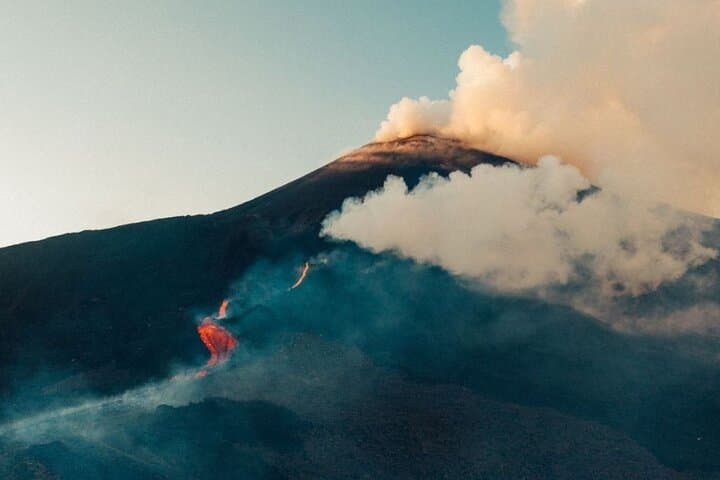
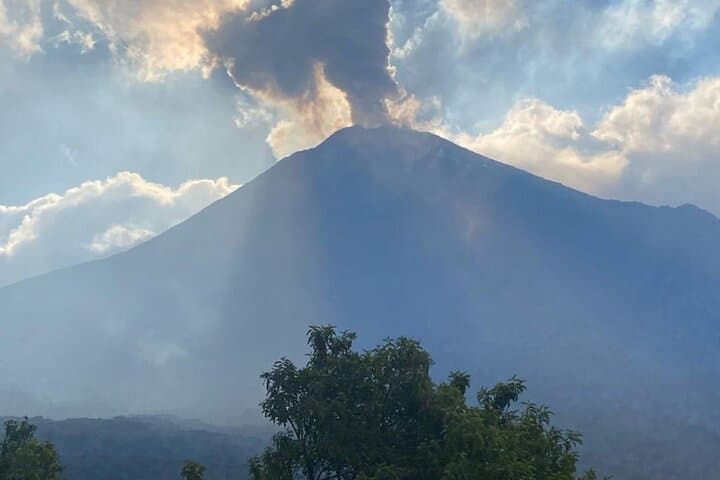
Pacaya is one of Guatemala’s most accessible active volcanoes — a young lava cone built from frequent eruptions over the last millennium. The trail crosses recent pahoehoe and a'a flows, terrain that tells the region’s geologic story in stark textures and colors. Culturally, Pacaya sits within a landscape long shaped by Maya agricultural communities and colonial-era Antigua, and guides often weave local history into the hike.
Expect a day shaped by contrast: cool forest at lower elevations, raw volcanic desert higher up, then the warm glow of fumaroles and, on lucky days, visible steam vents or fresh cinder. The route suits photographers and first-time volcano hikers; it’s more exposure and rugged footing than technical climbing, but the ground can be sharp and loose.
Practical notes: tours typically include pickup in Antigua, a 30–60 minute drive, 1–2 hour ascent, time on the crater rim, and a return trip for a full 4–6 hour schedule. Bring layered clothing, sturdy footwear, 2 liters of water, sun protection, and cash for park fees or snacks. Follow guide instructions around hot areas — rocks can be unexpectedly hot — and respect local land use and conservation rules to keep this active landscape healthy for visitors and locals alike.
moderate.
5–6 hours.
Suitable for those with moderate fitness; expect steady uphill sections and uneven, rocky footing
Tours from Antigua run 4–6 hours total with a 1–2 hour ascent; the route is moderate — steady uphill on uneven volcanic rock but non‑technical.
Guided tours monitor volcanic activity and keep visitors at safe distances from fumaroles and fresh flows; follow your guide’s instructions and avoid restricted areas.
Many tours accept older children in good fitness; pregnant travelers are generally advised not to participate due to uneven terrain and potential exposure to gases — check with your provider.
Most tours include transport from Antigua and park entry, but confirm on booking; guides sometimes provide marshmallows for roasting on cool lava rocks.
Pacaya’s modern cone formed within the older Amatitlán caldera complex; its eruptions have shaped local settlement and agricultural patterns for centuries.
Stay on marked trails and pack out waste — volcanic soils recover slowly and local communities manage grazing and land use to protect water sources.
Travelisimo Guatemala operates guided outdoor trips and adventures with an emphasis on safety, stewardship, and memorable experiences.
The morning air in Antigua is cool and sharp; by mid‑day the volcano smells of warmed earth and mineral dust. On the San Francisco Trail the ground shifts from grassy slopes to black, glassy lava fields, and the trail climbs with a steady, honest pitch that rewards each step with widening views of Agua, Fuego and Acatenango.
The morning air in Antigua is cool and sharp; by mid‑day the volcano smells of warmed earth and mineral dust. On the San Francisco Trail the ground shifts from grassy slopes to black, glassy lava fields, and the trail climbs with a steady, honest pitch that rewards each step with widening views of Agua, Fuego and Acatenango.
Pacaya is one of Guatemala’s most accessible active volcanoes — a young lava cone built from frequent eruptions over the last millennium. The trail crosses recent pahoehoe and a'a flows, terrain that tells the region’s geologic story in stark textures and colors. Culturally, Pacaya sits within a landscape long shaped by Maya agricultural communities and colonial-era Antigua, and guides often weave local history into the hike.
Expect a day shaped by contrast: cool forest at lower elevations, raw volcanic desert higher up, then the warm glow of fumaroles and, on lucky days, visible steam vents or fresh cinder. The route suits photographers and first-time volcano hikers; it’s more exposure and rugged footing than technical climbing, but the ground can be sharp and loose.
Practical notes: tours typically include pickup in Antigua, a 30–60 minute drive, 1–2 hour ascent, time on the crater rim, and a return trip for a full 4–6 hour schedule. Bring layered clothing, sturdy footwear, 2 liters of water, sun protection, and cash for park fees or snacks. Follow guide instructions around hot areas — rocks can be unexpectedly hot — and respect local land use and conservation rules to keep this active landscape healthy for visitors and locals alike.