THE ADVENTURE COLLECTIVE® · Independent discovery and booking for outdoor travel

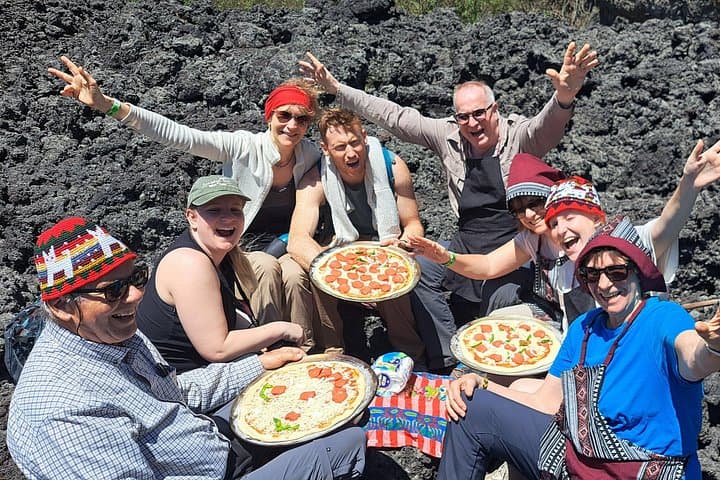
Walk up Pacaya’s black slopes from Antigua, stand on cooled lava, and cook a pizza in a warm cave mouth. This active-volcano hike delivers raw geology, sweeping views, and a memorable hands-on finish.
Walk up Pacaya’s black slopes from Antigua, stand on cooled lava, and cook a pizza in a warm cave mouth. This active-volcano hike delivers raw geology, sweeping views, and a memorable hands-on finish.
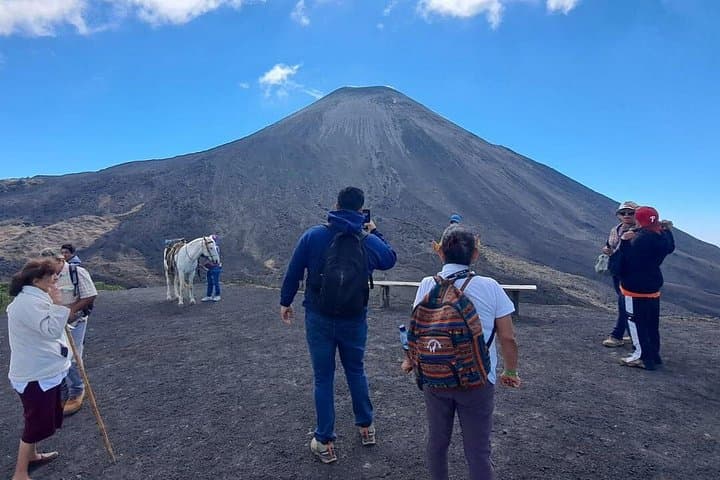
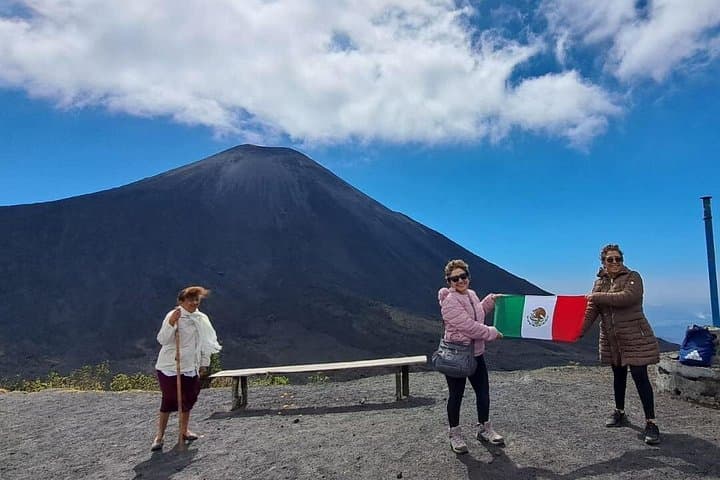
You leave Antigua before dawn and the road slides past coffee farms as the outline of Pacaya sharpens against the sky. By the time you reach the park, steam and scorched rock reshape the horizon; the trail pulls you up across black pumice and jagged basalt, the ground insisting you pay attention.
Verified experiences and guided adventures in the surrounding area.
Operated by Los Nahuales · Antigua Guatemala, Sacatepéquez
You leave Antigua before dawn and the road slides past coffee farms as the outline of Pacaya sharpens against the sky. By the time you reach the park, steam and scorched rock reshape the horizon; the trail pulls you up across black pumice and jagged basalt, the ground insisting you pay attention.
Pacaya is one of Guatemala’s most active volcanoes, with frequent eruptive episodes since the mid-20th century. Geologically it’s a young, basaltic cone built on older volcanic terrain; recent flows create the lava fields and shallow caves that make this hike unusual. Culturally, the volcano sits in view of Antigua’s colonial churches and local coffee fincas — a living backdrop for a nation shaped by volcanic soil and Spanish-era towns.
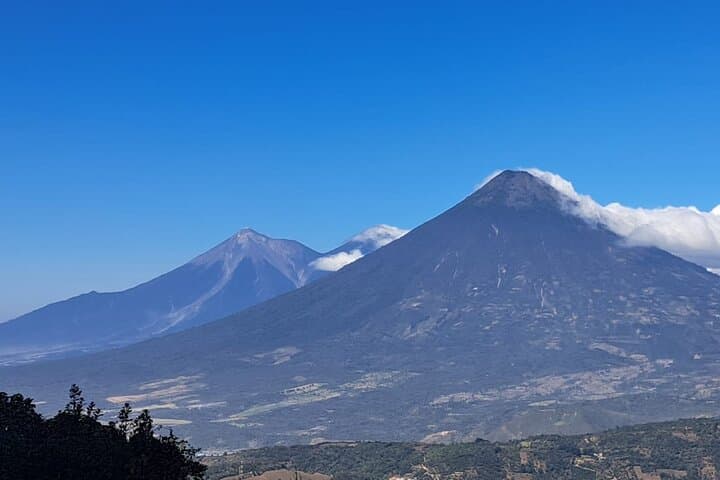
The walk to the lava area is compact but gritty: expect roughly 4 km round-trip with 300–400 m of ascent from the park trailhead, loose volcanic scree underfoot, and panoramic views of Agua, Fuego and Acatenango. Guides often lead you onto cooled flow surfaces where heat remains, and in sheltered pockets you can use residual warmth to crisp a pizza — a playful culinary moment framed by steam and stone.
Practical guidance: start early to avoid midday heat and afternoon showers, wear sturdy hiking shoes with good tread, carry 1–2 liters of water and sun protection, and bring a lightweight wind or rain shell. Respect guide instructions — active vents and unstable rock are real hazards. Allow about six hours for pickup from Antigua, the hike, and return. The trip is short on distance but rich in geology, sensory detail, and a rare chance to cook with the earth’s leftover warmth.
moderate.
6 hours.
Moderate fitness recommended—comfortable walking on uneven, uphill terrain for 2–3 hours with short rest periods.
The full excursion is about six hours including transport; the hike itself is roughly 2–3 hours round-trip depending on pace and stops.
Pacaya is active and produces lava flows; organized tours stay in areas deemed safe by guides, but conditions can change—operators may cancel if activity increases.
This tour is not recommended for pregnant travelers or those with serious back or heart issues; children can usually join if they are fit for the uphill walk and accompanied by responsible adults—check operator age limits.
Some operators include park admission; bring small cash for restroom fees, tips, or souvenirs in case they are requested on site.
Pacaya has erupted repeatedly in modern times and became one of the country’s most active cones after sustained activity began in the 1960s, shaping local settlement and agriculture.
Stay on marked trails and pack out all waste—volcanic soils and fragile plants take time to re-establish, and unmanaged foot traffic accelerates erosion.
Los Nahuales operates guided outdoor trips and adventures with an emphasis on safety, stewardship, and memorable experiences.
You leave Antigua before dawn and the road slides past coffee farms as the outline of Pacaya sharpens against the sky. By the time you reach the park, steam and scorched rock reshape the horizon; the trail pulls you up across black pumice and jagged basalt, the ground insisting you pay attention.
You leave Antigua before dawn and the road slides past coffee farms as the outline of Pacaya sharpens against the sky. By the time you reach the park, steam and scorched rock reshape the horizon; the trail pulls you up across black pumice and jagged basalt, the ground insisting you pay attention.
Pacaya is one of Guatemala’s most active volcanoes, with frequent eruptive episodes since the mid-20th century. Geologically it’s a young, basaltic cone built on older volcanic terrain; recent flows create the lava fields and shallow caves that make this hike unusual. Culturally, the volcano sits in view of Antigua’s colonial churches and local coffee fincas — a living backdrop for a nation shaped by volcanic soil and Spanish-era towns.
The walk to the lava area is compact but gritty: expect roughly 4 km round-trip with 300–400 m of ascent from the park trailhead, loose volcanic scree underfoot, and panoramic views of Agua, Fuego and Acatenango. Guides often lead you onto cooled flow surfaces where heat remains, and in sheltered pockets you can use residual warmth to crisp a pizza — a playful culinary moment framed by steam and stone.
Practical guidance: start early to avoid midday heat and afternoon showers, wear sturdy hiking shoes with good tread, carry 1–2 liters of water and sun protection, and bring a lightweight wind or rain shell. Respect guide instructions — active vents and unstable rock are real hazards. Allow about six hours for pickup from Antigua, the hike, and return. The trip is short on distance but rich in geology, sensory detail, and a rare chance to cook with the earth’s leftover warmth.