THE ADVENTURE COLLECTIVE® · Independent discovery and booking for outdoor travel

Approach Pacaya’s black lava fields and steaming vents on a half‑day guided trek from Antigua. This medium‑difficulty hike delivers close encounters with fresh basalt flows, wide volcano views, and practical guidance for a safe visit.
Approach Pacaya’s black lava fields and steaming vents on a half‑day guided trek from Antigua. This medium‑difficulty hike delivers close encounters with fresh basalt flows, wide volcano views, and practical guidance for a safe visit.
The trail opens on black glassy rock under a high, thin sky; heat rises in visible ribbons and the volcano seems to breathe. From the pickup in Antigua you ride into farmland and coffee groves, arriving at the trailhead where the air smells of ash and pine. The climb moves from shaded slopes into open, jagged fields of petrified lava, and if conditions allow, to steaming vents and recent lava flows that still glow at night.
Verified experiences and guided adventures in the surrounding area.
Operated by Colonial Travel Agency · Antigua Guatemala, Sacatepéquez
The trail opens on black glassy rock under a high, thin sky; heat rises in visible ribbons and the volcano seems to breathe. From the pickup in Antigua you ride into farmland and coffee groves, arriving at the trailhead where the air smells of ash and pine. The climb moves from shaded slopes into open, jagged fields of petrified lava, and if conditions allow, to steaming vents and recent lava flows that still glow at night.
Pacaya is one of Guatemala’s most active volcanoes, rising roughly 2,552 m and erupting intermittently since the 1960s. Geologically recent basaltic lava has created a stark landscape — slabs and ridges that challenge footing and frame views of Agua and Fuego volcanoes across the valley. Indigenous and colonial histories overlap in the valleys below; local guides often point out old haciendas and coffee plots that shaped the region’s economy.
Practically, this is a medium‑difficulty hike: expect loose volcanic scree, uneven steps, and sections of hard lava requiring careful footing. Tours typically last about six hours door‑to‑door, include transport and a local guide, but not the park entry fee. Bring layered clothing for wind and sun, at least 1.5–2 liters of water, sturdy boots with good tread, and a lightweight mask for ash or sulfur. Start early to avoid heat and crowds, or take the afternoon departure for dramatic light on newer flows.
Respect closure signs and your guide’s directions — active vents can change rapidly. With preparation, Pacaya delivers a close encounter with fire‑shaped geology and wide highland views.
moderate.
6 hours.
Suitable for travelers with moderate fitness who can handle 2–4 hours of uphill over uneven volcanic terrain.
The tour is approximately six hours round‑trip from Antigua and typically includes round‑trip transport and a local guide; park entry is not always included.
Pacaya is active and conditions can change; certified guides monitor vents and will redirect or turn back if the area is unsafe—follow their directions.
You don’t need technical mountaineering skills, but moderate fitness and comfort on uneven terrain at ~2,500 m elevation are required.
Flowing lava is intermittent; recent eruptions have produced visible flows at times, but sightings depend on current volcanic activity and safety restrictions.
Pacaya’s eruptions have shaped local settlement patterns for centuries; nearby valleys hold colonial era haciendas and modern coffee estates built on volcanic soils.
Visitor numbers and off‑trail walking can damage fragile pioneer vegetation on recent lava fields; stick to established paths and follow guide instructions to limit erosion and habitat disturbance.
Colonial Travel Agency operates guided outdoor trips and adventures with an emphasis on safety, stewardship, and memorable experiences.
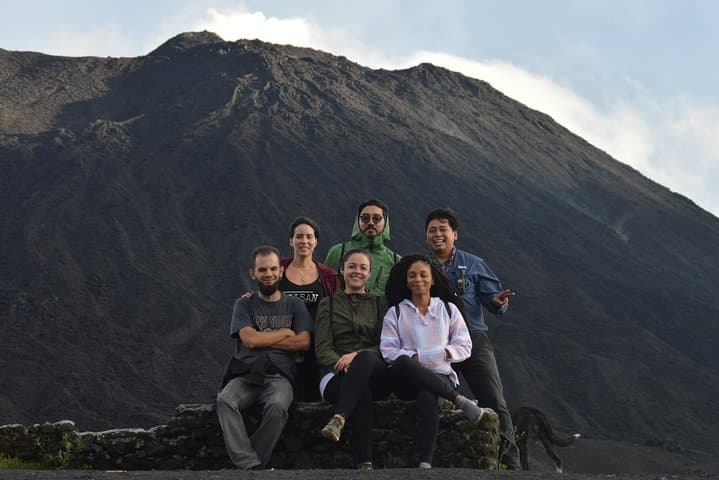
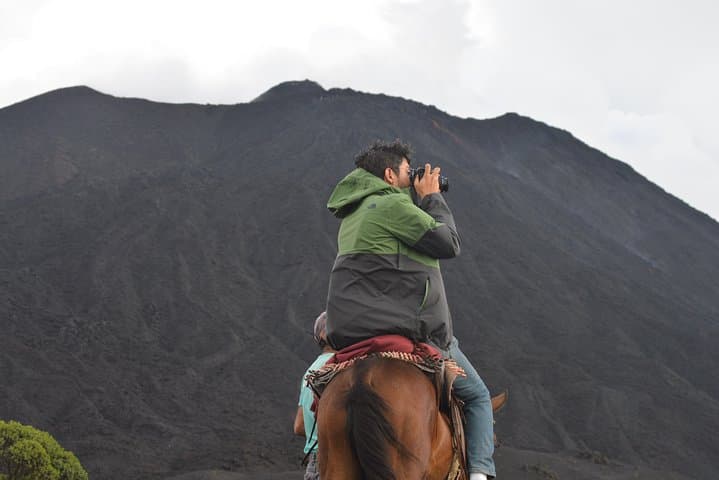
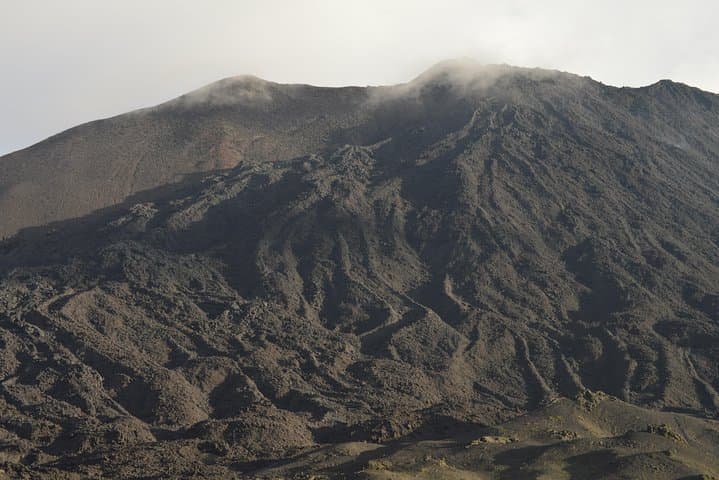
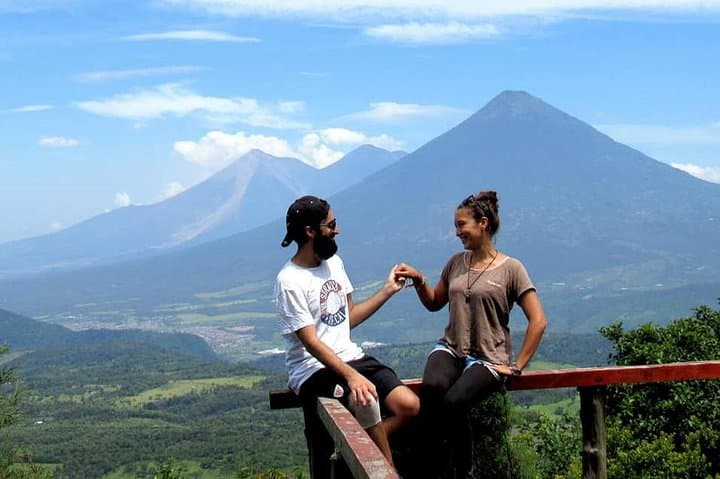
The trail opens on black glassy rock under a high, thin sky; heat rises in visible ribbons and the volcano seems to breathe. From the pickup in Antigua you ride into farmland and coffee groves, arriving at the trailhead where the air smells of ash and pine. The climb moves from shaded slopes into open, jagged fields of petrified lava, and if conditions allow, to steaming vents and recent lava flows that still glow at night.
The trail opens on black glassy rock under a high, thin sky; heat rises in visible ribbons and the volcano seems to breathe. From the pickup in Antigua you ride into farmland and coffee groves, arriving at the trailhead where the air smells of ash and pine. The climb moves from shaded slopes into open, jagged fields of petrified lava, and if conditions allow, to steaming vents and recent lava flows that still glow at night.
Pacaya is one of Guatemala’s most active volcanoes, rising roughly 2,552 m and erupting intermittently since the 1960s. Geologically recent basaltic lava has created a stark landscape — slabs and ridges that challenge footing and frame views of Agua and Fuego volcanoes across the valley. Indigenous and colonial histories overlap in the valleys below; local guides often point out old haciendas and coffee plots that shaped the region’s economy.
Practically, this is a medium‑difficulty hike: expect loose volcanic scree, uneven steps, and sections of hard lava requiring careful footing. Tours typically last about six hours door‑to‑door, include transport and a local guide, but not the park entry fee. Bring layered clothing for wind and sun, at least 1.5–2 liters of water, sturdy boots with good tread, and a lightweight mask for ash or sulfur. Start early to avoid heat and crowds, or take the afternoon departure for dramatic light on newer flows.
Respect closure signs and your guide’s directions — active vents can change rapidly. With preparation, Pacaya delivers a close encounter with fire‑shaped geology and wide highland views.