THE ADVENTURE COLLECTIVE® · Independent discovery and booking for outdoor travel

Ride a ropeway above coastal forest, walk temple grounds with Japan’s largest stone Buddha, and stand on the dramatic Hell’s Peak overlooking Tokyo Bay. This guided 5‑hour hike pairs dramatic geology with centuries of temple history and a fresh seafood finish at Kanaya Harbor.
Ride a ropeway above coastal forest, walk temple grounds with Japan’s largest stone Buddha, and stand on the dramatic Hell’s Peak overlooking Tokyo Bay. This guided 5‑hour hike pairs dramatic geology with centuries of temple history and a fresh seafood finish at Kanaya Harbor.
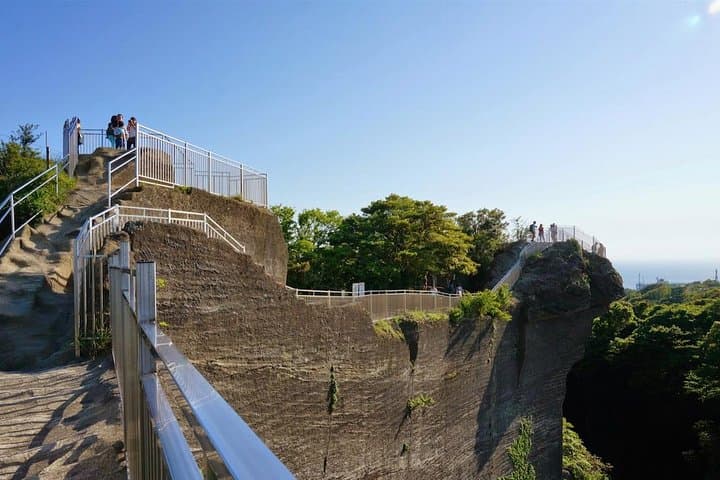
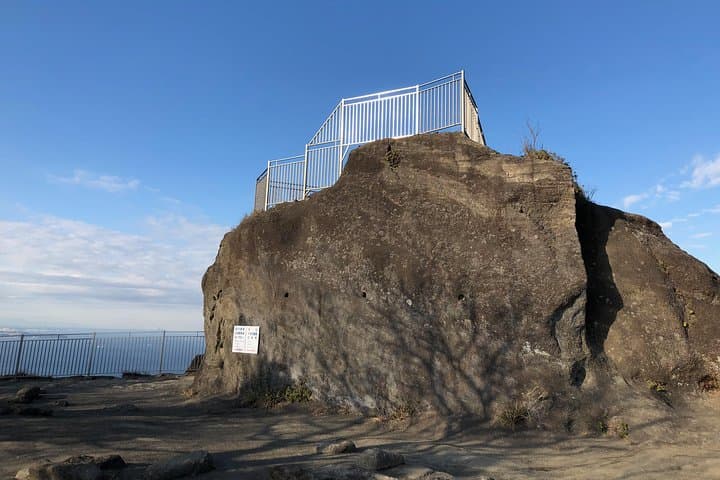
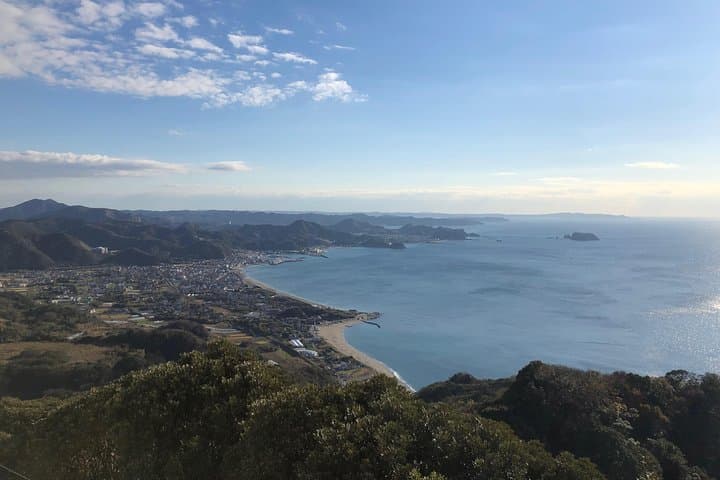
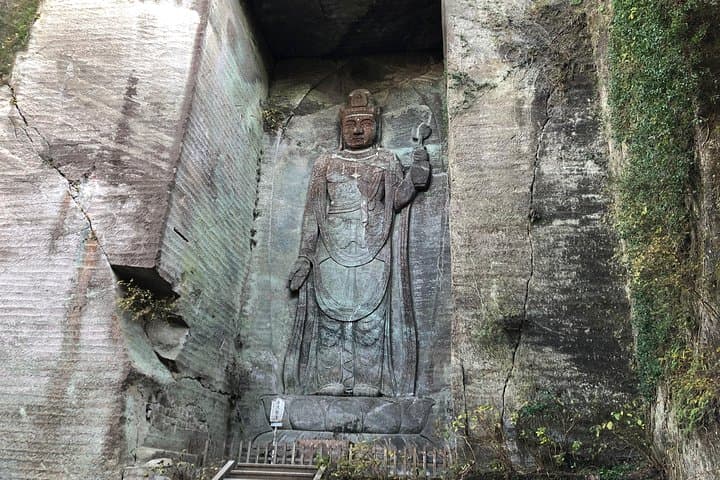
You step off the JR train at Hama-Kanaya and the sea-salt air immediately changes the rhythm of the day. A short ropeway lifts you above coastal forests, and the mountain unfolds: sheer sandstone cliffs, carved temple yards, and a 31‑meter stone Buddha sitting like a silent guardian over Tokyo Bay. Wind moves along the ridge and dares you toward Hell’s Peak — a rock lip that thrusts into the view and rewards those who edge out with panoramic sightlines to Mt. Fuji, the Izu islands, and the long curve of the Boso coast.
Verified experiences and guided adventures in the surrounding area.
Operated by Trip Designer Inc. · Kyonan, Chiba
You step off the JR train at Hama-Kanaya and the sea-salt air immediately changes the rhythm of the day. A short ropeway lifts you above coastal forests, and the mountain unfolds: sheer sandstone cliffs, carved temple yards, and a 31‑meter stone Buddha sitting like a silent guardian over Tokyo Bay. Wind moves along the ridge and dares you toward Hell’s Peak — a rock lip that thrusts into the view and rewards those who edge out with panoramic sightlines to Mt. Fuji, the Izu islands, and the long curve of the Boso coast.
Nihon-ji temple, founded in the 8th century, anchors the summit with stone stairways and carved reliefs that trace centuries of pilgrimage and woodblock fame from the Edo era. Geologically, Nokogiriyama is folded Miocene sandstone—eroded steeply into the dramatic bluffs you’ll walk beside. Culturally, the mountain has long drawn artists and temple builders; today local fisheries at Kanaya Harbor keep the maritime economy alive.
Practical guidance: the tour uses a round‑trip ropeway then 60–90 minutes of stair-climbing on irregular steps—expect steep sections and metal handrails. Follow your guide at Hell’s Peak; fences protect edges but exposure still feels sharp. Bring sturdy hiking shoes, at least 1–1.5 L water, sun protection, and a light rain shell. Plan for 4–6 hours from Tokyo, allow time for a seafood lunch at Kanaya, and check weather—the ropeway and cliff access close in high winds. The route is intensely scenic but physical: pace yourself on long stairways and enjoy the changing perspectives as the bay and islands reveal themselves.
challenging.
4–6 hours.
Good aerobic fitness and stair-climbing ability; expect sustained ascending/descending on uneven stone steps.
Yes — the tour includes a round‑trip ropeway ticket to the mountaintop.
Expect 60–90 minutes of steep stair-climbing on uneven stone steps; the tour recommends a high level of fitness.
Yes — it's possible to return via ferry from Kanaya Port to Kurihama, though schedules vary seasonally.
No — many steep stairs and exposed viewpoints make the route unsuitable for those with serious back, heart, or pregnancy restrictions.
Nihon-ji temple dates to the 8th century and the Daibutsu was carved into the mountain face in the Edo/Meiji periods as part of long-standing temple expansion and pilgrimage.
Stick to marked paths and temple precincts to prevent erosion on the sandstone cliffs; local groups maintain trails and signage—pack out trash and respect temple spaces.
Trip Designer Inc. operates guided outdoor trips and adventures with an emphasis on safety, stewardship, and memorable experiences.
You step off the JR train at Hama-Kanaya and the sea-salt air immediately changes the rhythm of the day. A short ropeway lifts you above coastal forests, and the mountain unfolds: sheer sandstone cliffs, carved temple yards, and a 31‑meter stone Buddha sitting like a silent guardian over Tokyo Bay. Wind moves along the ridge and dares you toward Hell’s Peak — a rock lip that thrusts into the view and rewards those who edge out with panoramic sightlines to Mt. Fuji, the Izu islands, and the long curve of the Boso coast.
You step off the JR train at Hama-Kanaya and the sea-salt air immediately changes the rhythm of the day. A short ropeway lifts you above coastal forests, and the mountain unfolds: sheer sandstone cliffs, carved temple yards, and a 31‑meter stone Buddha sitting like a silent guardian over Tokyo Bay. Wind moves along the ridge and dares you toward Hell’s Peak — a rock lip that thrusts into the view and rewards those who edge out with panoramic sightlines to Mt. Fuji, the Izu islands, and the long curve of the Boso coast.
Nihon-ji temple, founded in the 8th century, anchors the summit with stone stairways and carved reliefs that trace centuries of pilgrimage and woodblock fame from the Edo era. Geologically, Nokogiriyama is folded Miocene sandstone—eroded steeply into the dramatic bluffs you’ll walk beside. Culturally, the mountain has long drawn artists and temple builders; today local fisheries at Kanaya Harbor keep the maritime economy alive.
Practical guidance: the tour uses a round‑trip ropeway then 60–90 minutes of stair-climbing on irregular steps—expect steep sections and metal handrails. Follow your guide at Hell’s Peak; fences protect edges but exposure still feels sharp. Bring sturdy hiking shoes, at least 1–1.5 L water, sun protection, and a light rain shell. Plan for 4–6 hours from Tokyo, allow time for a seafood lunch at Kanaya, and check weather—the ropeway and cliff access close in high winds. The route is intensely scenic but physical: pace yourself on long stairways and enjoy the changing perspectives as the bay and islands reveal themselves.