THE ADVENTURE COLLECTIVE® · Independent discovery and booking for outdoor travel

Climb Kyoto’s highest peak, visit a centuries-old shrine, and end the day with an obento lunch and a riverside cool-off. This guided hike blends culture, moderate challenge, and expansive views in about 4–5 hours.
Climb Kyoto’s highest peak, visit a centuries-old shrine, and end the day with an obento lunch and a riverside cool-off. This guided hike blends culture, moderate challenge, and expansive views in about 4–5 hours.
A cool, cedar-scented morning opens as the trail slips away from the last houses and into the dense Japanese forest. Footsteps fall on mottled stone steps—old, worn, and deliberate—while birds peel their calls through the canopy. The route climbs steadily, each bend revealing a sliver of sky or a hidden lookout that frames Kyoto’s lowlands like a living map.
Verified experiences and guided adventures in the surrounding area.
Operated by Kyoto Mikey.Adventures · Kyoto, Kyoto Prefecture
A cool, cedar-scented morning opens as the trail slips away from the last houses and into the dense Japanese forest. Footsteps fall on mottled stone steps—old, worn, and deliberate—while birds peel their calls through the canopy. The route climbs steadily, each bend revealing a sliver of sky or a hidden lookout that frames Kyoto’s lowlands like a living map.
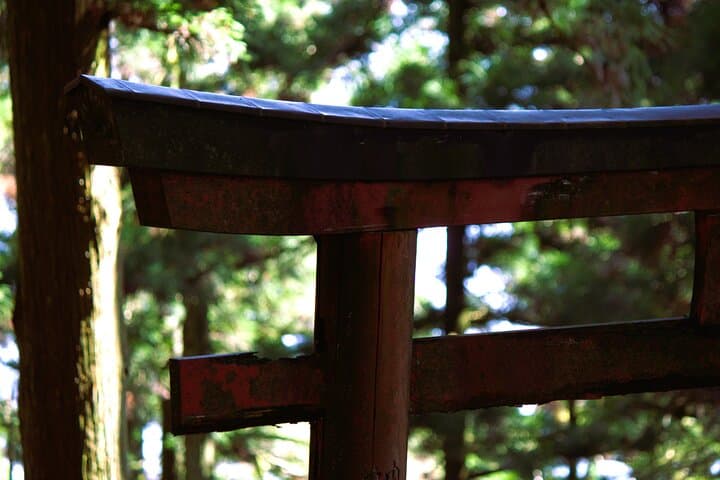
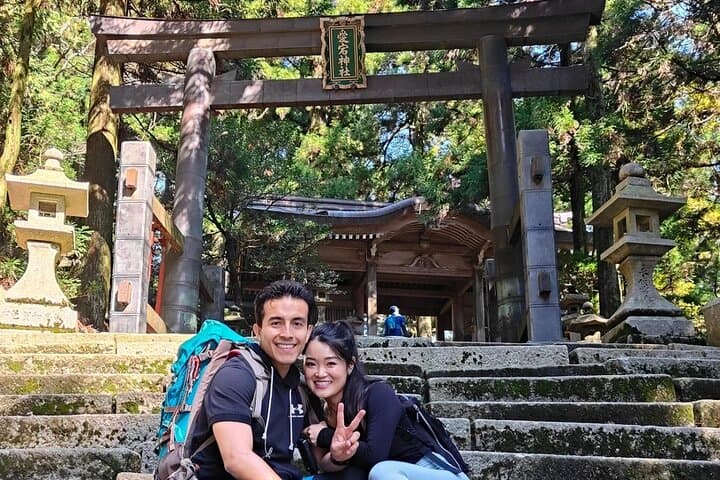
Mt. Atago (924 m) is both a geological landmark of the Tamba Highlands and a cultural waypoint: Atago Shrine has drawn pilgrims for centuries seeking protection against fire and misfortune. Basaltic ridgelines and weathered granite outcrops give the slopes varied footing; moss and lichen cloak stone lanterns and torii gates that mark human history threaded through the forest.
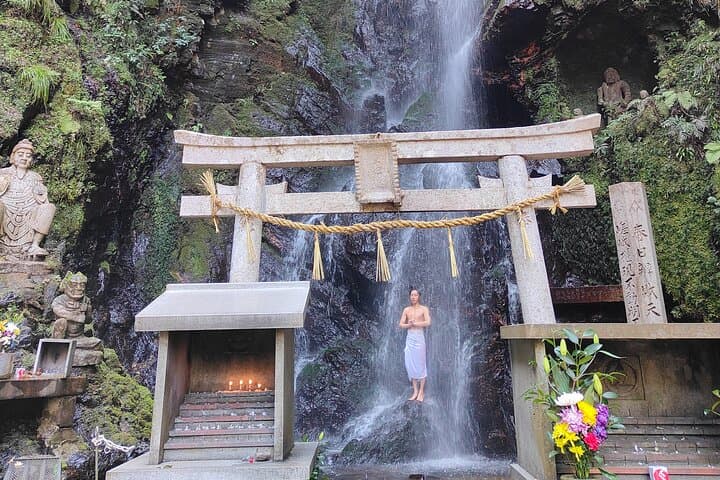
Expect roughly 2.5 hours to ascend and 1.5 hours to descend on a typical guided route—about 4–5 hours total, with 700–900 m of elevation gain depending on your trailhead. The hike moves from shaded, technical steps to open summit ledges with 360-degree views; bring steady footwear and a sense of patience for short, steep stair sections. At the shrine, pause and learn local customs: offerings, small wooden plaques, and the quiet rituals of mountain worship. Guides often supply an obento lunch on the peak and, in summer, a post-hike river dip is a common local ritual.
Practical planning: start early to avoid heat and enjoy clear views, carry water for the full day, and allow time after the hike for transport—the walk back into town or a café stop to warm up and reflect completes the experience.
moderate.
4–5 hours.
Moderate fitness required: regular walkers who handle sustained climbs will be comfortable.
Typical guided itineraries take about 4–5 hours roundtrip with steady climbs—expect moderate exertion and several sections of stone steps.
Yes—English and Italian guides are noted as included with this tour; guides handle navigation, local history, and logistics.
There are no full facilities on the trail; this tour provides an obento lunch and drinks at the summit, but bring extra water and a snack.
A post-hike river dip is a local summer tradition, but conditions vary—follow your guide’s safety advice and avoid strong currents or slippery entry points.
Atago Shrine sits at the summit and has been a site of mountain worship and fire protection rituals for centuries, linking local beliefs to the landscape.
Stick to established trails and take all waste back to town; the area is ecologically sensitive and relies on visitor respect to preserve stone steps, understory plants, and shrine structures.
Kyoto Mikey.Adventures operates guided outdoor trips and adventures with an emphasis on safety, stewardship, and memorable experiences.
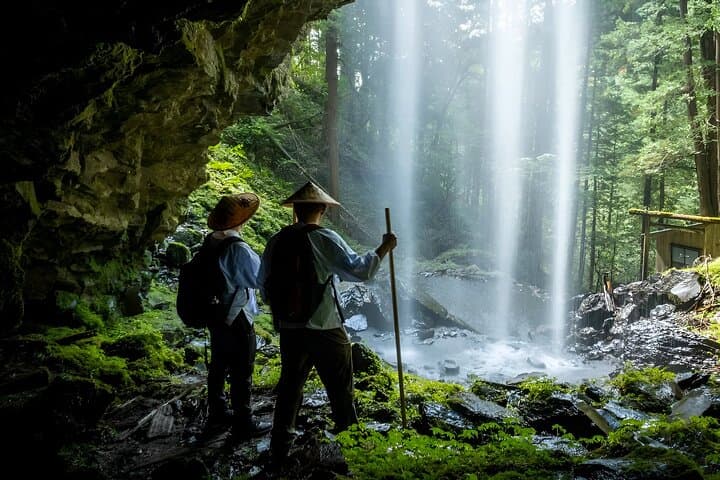
A cool, cedar-scented morning opens as the trail slips away from the last houses and into the dense Japanese forest. Footsteps fall on mottled stone steps—old, worn, and deliberate—while birds peel their calls through the canopy. The route climbs steadily, each bend revealing a sliver of sky or a hidden lookout that frames Kyoto’s lowlands like a living map.
A cool, cedar-scented morning opens as the trail slips away from the last houses and into the dense Japanese forest. Footsteps fall on mottled stone steps—old, worn, and deliberate—while birds peel their calls through the canopy. The route climbs steadily, each bend revealing a sliver of sky or a hidden lookout that frames Kyoto’s lowlands like a living map.
Mt. Atago (924 m) is both a geological landmark of the Tamba Highlands and a cultural waypoint: Atago Shrine has drawn pilgrims for centuries seeking protection against fire and misfortune. Basaltic ridgelines and weathered granite outcrops give the slopes varied footing; moss and lichen cloak stone lanterns and torii gates that mark human history threaded through the forest.
Expect roughly 2.5 hours to ascend and 1.5 hours to descend on a typical guided route—about 4–5 hours total, with 700–900 m of elevation gain depending on your trailhead. The hike moves from shaded, technical steps to open summit ledges with 360-degree views; bring steady footwear and a sense of patience for short, steep stair sections. At the shrine, pause and learn local customs: offerings, small wooden plaques, and the quiet rituals of mountain worship. Guides often supply an obento lunch on the peak and, in summer, a post-hike river dip is a common local ritual.
Practical planning: start early to avoid heat and enjoy clear views, carry water for the full day, and allow time after the hike for transport—the walk back into town or a café stop to warm up and reflect completes the experience.