THE ADVENTURE COLLECTIVE® · Independent discovery and booking for outdoor travel

Walk to the Great Cone of Mount Vesuvius and stand on the rim where history and geology collide. This short but dramatic hike delivers sweeping views of the Bay of Naples and a hands-on lesson in volcanic landscapes.
Walk to the Great Cone of Mount Vesuvius and stand on the rim where history and geology collide. This short but dramatic hike delivers sweeping views of the Bay of Naples and a hands-on lesson in volcanic landscapes.
You start on a sunbaked trail where black volcanic gravel crunches underfoot and the Bay of Naples opens like a slow-moving panorama below. The crater rim of Mount Vesuvius rises ahead, raw and immediate; wind tugs at your jacket as sulfur-scented air reminds you this landscape is alive.
Verified experiences and guided adventures in the surrounding area.
Operated by Trip Knox Ltd · Ercolano, Campania
You start on a sunbaked trail where black volcanic gravel crunches underfoot and the Bay of Naples opens like a slow-moving panorama below. The crater rim of Mount Vesuvius rises ahead, raw and immediate; wind tugs at your jacket as sulfur-scented air reminds you this landscape is alive.
Geology here is the story: a stratovolcano that last erupted explosively in 79 AD, burying Pompeii and Herculaneum, and since then shaping the coastline and soils of Campania. Cultural layers follow—Roman ruins at the base, fishing towns on the shore—so the hike reads as both natural history and human history in a single route.
Trails are compact: the common path from the visitor car park to the Great Cone is steep in sections, mostly compacted ash and loose lapilli, roughly 2–4 km round trip depending on the start point, with a moderate elevation change and exposed sections near the rim. Expect sweeping views of Naples, Sorrento and the Amalfi coastline when visibility is clear; when fog moves in the crater becomes a brooding presence that demands respect.
Practicals: aim for morning light to avoid crowds and heat, wear stiff-soled footwear for loose volcanic rock, carry 1–2 liters of water, and layer for wind. Follow marked paths—vegetation is fragile and the summit area can be unstable. Informational signs and optional audio guides add context, but the volcano itself is the lesson: dynamic, ancient, and unignorable.
Whether you come for photography, geology or a short alpine-style climb, the Vesuvius hike offers concentrated drama and practical, achievable adventure close to Naples.
moderate.
1–3 hours.
Suitable for reasonably fit travelers able to handle short steep sections and loose footing; rest stops available.
Most visitors spend 1–3 hours round trip from the official car park; walking time depends on pace and how long you stay at the rim.
Yes—entry tickets grant access to the regulated trails up to the Great Cone; some options include audio guides or guided walks.
The trail is short but can be steep and loose; many families and older adults do it, but assess mobility and bring rest breaks.
Yes—regional buses and local transit link Naples and surrounding towns to the Vesuvius access points, though schedules vary seasonally.
Vesuvius' 79 AD eruption famously buried Pompeii and Herculaneum; the volcano has had repeated eruptions that shaped local towns and soils.
Trails protect sensitive volcanic soils and endemic plants—stay on paths, pack out trash, and avoid touching fragile vegetation to reduce erosion.
Trip Knox Ltd operates guided outdoor trips and adventures with an emphasis on safety, stewardship, and memorable experiences.
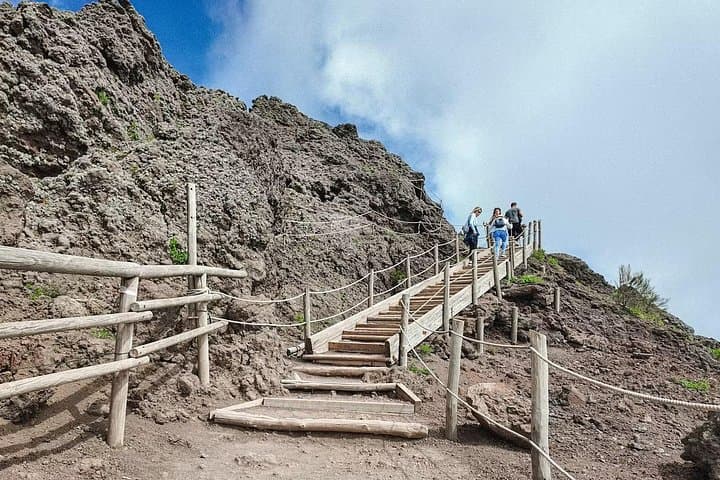
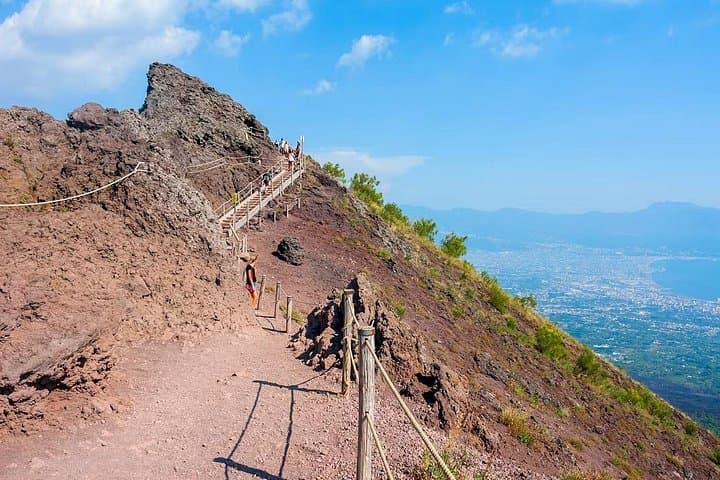
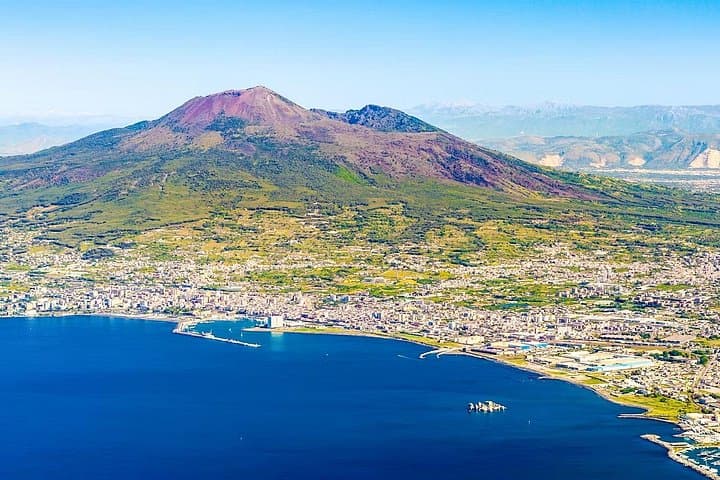
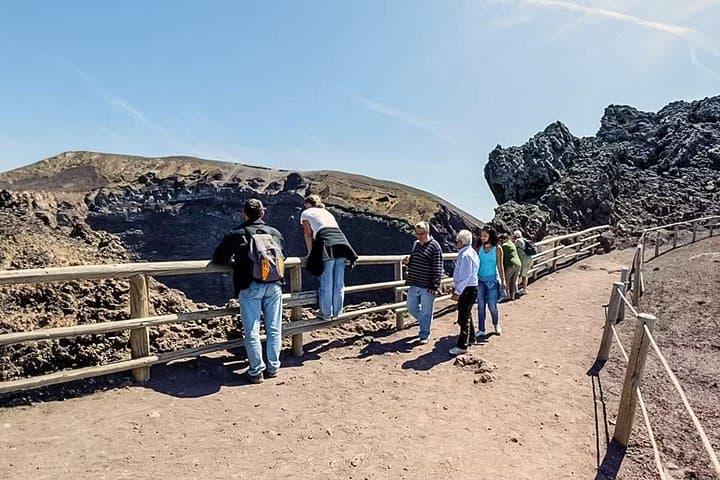
You start on a sunbaked trail where black volcanic gravel crunches underfoot and the Bay of Naples opens like a slow-moving panorama below. The crater rim of Mount Vesuvius rises ahead, raw and immediate; wind tugs at your jacket as sulfur-scented air reminds you this landscape is alive.
You start on a sunbaked trail where black volcanic gravel crunches underfoot and the Bay of Naples opens like a slow-moving panorama below. The crater rim of Mount Vesuvius rises ahead, raw and immediate; wind tugs at your jacket as sulfur-scented air reminds you this landscape is alive.
Geology here is the story: a stratovolcano that last erupted explosively in 79 AD, burying Pompeii and Herculaneum, and since then shaping the coastline and soils of Campania. Cultural layers follow—Roman ruins at the base, fishing towns on the shore—so the hike reads as both natural history and human history in a single route.
Trails are compact: the common path from the visitor car park to the Great Cone is steep in sections, mostly compacted ash and loose lapilli, roughly 2–4 km round trip depending on the start point, with a moderate elevation change and exposed sections near the rim. Expect sweeping views of Naples, Sorrento and the Amalfi coastline when visibility is clear; when fog moves in the crater becomes a brooding presence that demands respect.
Practicals: aim for morning light to avoid crowds and heat, wear stiff-soled footwear for loose volcanic rock, carry 1–2 liters of water, and layer for wind. Follow marked paths—vegetation is fragile and the summit area can be unstable. Informational signs and optional audio guides add context, but the volcano itself is the lesson: dynamic, ancient, and unignorable.
Whether you come for photography, geology or a short alpine-style climb, the Vesuvius hike offers concentrated drama and practical, achievable adventure close to Naples.