THE ADVENTURE COLLECTIVE® · Independent discovery and booking for outdoor travel

Take a morning hike up Mount Vesuvius from Sorrento and finish with a Lacrima Christi vineyard tour, light lunch, and wine tasting on volcanic slopes. Expect loose volcanic scree, sweeping Bay of Naples views, and estate-grown food paired with top wines.
Take a morning hike up Mount Vesuvius from Sorrento and finish with a Lacrima Christi vineyard tour, light lunch, and wine tasting on volcanic slopes. Expect loose volcanic scree, sweeping Bay of Naples views, and estate-grown food paired with top wines.
A coach winds up toward the cone, windows framing the Bay of Naples shrinking below. At the 1,000 m drop-off you step onto black volcanic gravel; the mountain smells faintly of mineral and history. The trail climbs steadily, a short but gritty lung-burn that opens on a pistol-shaped crater rim and a panorama that pushes the sea and cities into a single wide view.
Verified experiences and guided adventures in the surrounding area.
Operated by TUI italia s.r.l · Sorrento, Campania
A coach winds up toward the cone, windows framing the Bay of Naples shrinking below. At the 1,000 m drop-off you step onto black volcanic gravel; the mountain smells faintly of mineral and history. The trail climbs steadily, a short but gritty lung-burn that opens on a pistol-shaped crater rim and a panorama that pushes the sea and cities into a single wide view.
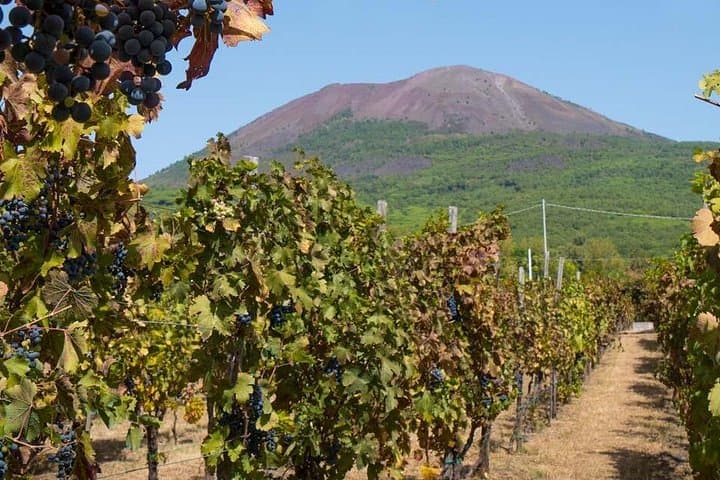
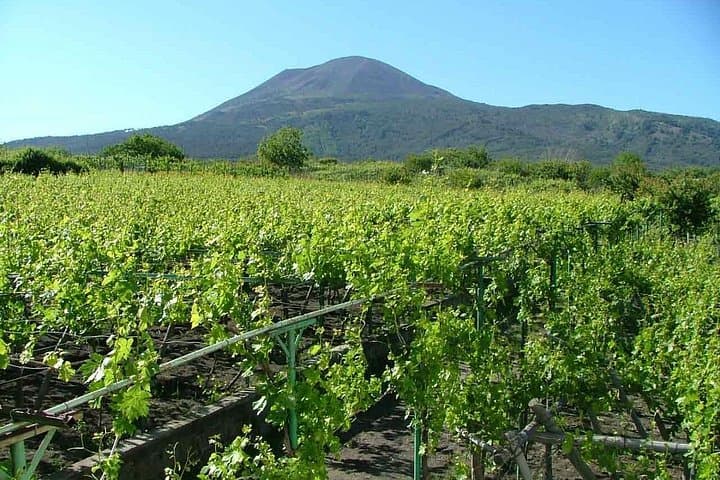
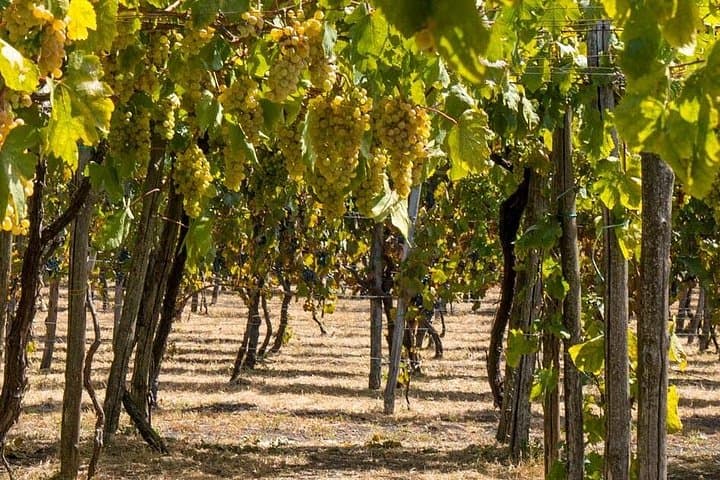
Vesuvius is the volcano that buried Pompeii in AD 79; its slopes are young volcanic rock and ash, and the soil here feeds grapes known as Lacrima Christi. Local winemakers have worked terraces carved into the cone for centuries—grapes that a regional legend says were blessed by angels. Culture here is tied to both eruption and cultivation: small family estates and rugged hiking routes share the same steep ground.
The hike itself is straightforward: from the bus drop (≈1,000 m) expect roughly 1–1.5 km of trail and 200–300 m of ascent to the crater rim over loose, volcanic scree—30–60 minutes each way for most walkers. The vineyard visit after is relaxed: a winery tour, a light lunch of estate-grown produce, and a tasting of the estate’s top bottles.
Practical tips: wear sturdy shoes with good grip, carry 1–2 L water, sun protection, and a wind layer—conditions on the rim change fast. National Park fees and a guided winery tour are usually included; follow signage and stay behind barriers at the crater. This combo day pairs a short, rugged mountain hike with local food and wine for an efficient, sensory taste of Campania.
moderate.
5–6 hours.
Moderate—able to manage a short uphill hike on loose scree and walk around the crater rim.
From the 1,000 m drop-off plan on about 1–1.5 km of trail with roughly 200–300 m elevation gain; most people take 30–60 minutes each way depending on pace.
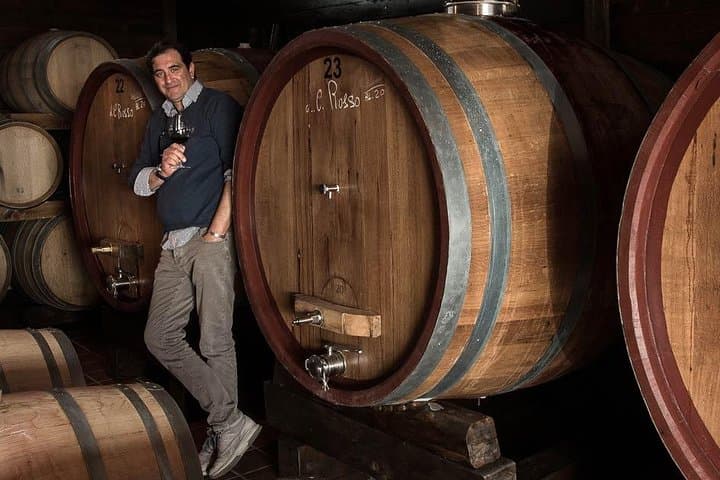
Yes—this tour typically includes a winery tour, a light lunch of estate-grown products, and a tasting of the vineyard’s wines.
The rim has marked paths but includes loose scree and some exposed sections; supervise children closely and consider mobility limitations for older visitors.
National Park admission and winery tasting are usually included; bring small cash for souvenirs, extra drinks, or tips just in case.
Vesuvius’ AD 79 eruption shaped regional settlement and economy; terraces on its slopes have produced Lacrima Christi wine for centuries, linking volcanic soil to viticulture.
Mount Vesuvius is a protected National Park—stay on trails, respect posted closures, and support local producers who use sustainable terrace farming to limit erosion.
TUI italia s.r.l operates guided outdoor trips and adventures with an emphasis on safety, stewardship, and memorable experiences.
A coach winds up toward the cone, windows framing the Bay of Naples shrinking below. At the 1,000 m drop-off you step onto black volcanic gravel; the mountain smells faintly of mineral and history. The trail climbs steadily, a short but gritty lung-burn that opens on a pistol-shaped crater rim and a panorama that pushes the sea and cities into a single wide view.
A coach winds up toward the cone, windows framing the Bay of Naples shrinking below. At the 1,000 m drop-off you step onto black volcanic gravel; the mountain smells faintly of mineral and history. The trail climbs steadily, a short but gritty lung-burn that opens on a pistol-shaped crater rim and a panorama that pushes the sea and cities into a single wide view.
Vesuvius is the volcano that buried Pompeii in AD 79; its slopes are young volcanic rock and ash, and the soil here feeds grapes known as Lacrima Christi. Local winemakers have worked terraces carved into the cone for centuries—grapes that a regional legend says were blessed by angels. Culture here is tied to both eruption and cultivation: small family estates and rugged hiking routes share the same steep ground.
The hike itself is straightforward: from the bus drop (≈1,000 m) expect roughly 1–1.5 km of trail and 200–300 m of ascent to the crater rim over loose, volcanic scree—30–60 minutes each way for most walkers. The vineyard visit after is relaxed: a winery tour, a light lunch of estate-grown produce, and a tasting of the estate’s top bottles.
Practical tips: wear sturdy shoes with good grip, carry 1–2 L water, sun protection, and a wind layer—conditions on the rim change fast. National Park fees and a guided winery tour are usually included; follow signage and stay behind barriers at the crater. This combo day pairs a short, rugged mountain hike with local food and wine for an efficient, sensory taste of Campania.