THE ADVENTURE COLLECTIVE® · Independent discovery and booking for outdoor travel

Walk from Berat into the slopes of Mount Tomorr to find mountain lakes, high basins, and the 100‑meter Sotira waterfall. This 3–6 hour outing blends rugged karst terrain, short scrambles, and cultural sites tied to Albania’s sacred mountain traditions.
Walk from Berat into the slopes of Mount Tomorr to find mountain lakes, high basins, and the 100‑meter Sotira waterfall. This 3–6 hour outing blends rugged karst terrain, short scrambles, and cultural sites tied to Albania’s sacred mountain traditions.
Mist rises off cold mountain lakes as you climb away from the olive-dotted valleys of Berat. The trail first threads through oak and beech, then opens to stony terraces where wind-sculpted pines lean toward the ridge. Ahead, the Sotira waterfall drops roughly 100 meters—its spray daring you closer—while high basins hold mirror-flat tarns that collect alpine light.
Verified experiences and guided adventures in the surrounding area.
Operated by Explore Berat · Berat, Berat County
Mist rises off cold mountain lakes as you climb away from the olive-dotted valleys of Berat. The trail first threads through oak and beech, then opens to stony terraces where wind-sculpted pines lean toward the ridge. Ahead, the Sotira waterfall drops roughly 100 meters—its spray daring you closer—while high basins hold mirror-flat tarns that collect alpine light.
Geology here is limestone and schist carved by glacial action and seasonal run-off; the karst slopes form the steep cirques and pockets that host the mountain lakes. Culturally, Tomorr is Albania’s “holy mountain”: Bektashi and Christian pilgrims still make seasonal ascents. That spiritual presence filters to trail etiquette—quiet pauses and respect for small shrines and shepherd camps.
Expect mixed terrain: forested singletrack, loose scree near higher benches, and short rocky scrambles to viewpoints. The full outing runs 3–6 hours depending on route and stops; elevation change is typically moderate but can be sharp on slick sections. Timing matters—spring melt swells streams, summer dries the lakes slightly, and autumn offers the clearest views.
Practical guidance: start early to avoid midday heat and to see the waterfall at its most powerful; bring 2–3 liters of water, sturdy boots with good grip, and a windproof layer. Allow extra time for photography and short side trips to lakeshores. Follow Leave No Trace—this area is ecologically sensitive and culturally important. Local guides are recommended for navigation, seasonal conditions, and cultural context, especially if you plan to extend into higher ridgelines.
moderate.
3–6 hours.
Good general fitness for sustained uphill sections and short scrambles; able to handle 500–900 m cumulative elevation gain.
Routes vary, but most day options are moderate—expect uneven trails, some steep sections, and short rocky scrambles that require sure-footedness.
A guide is recommended if you want cultural context, safer navigation to higher basins, or to explore lesser-known lakes beyond the main trail.
The waterfall flows year-round but is strongest in spring during snowmelt; summer flows can be reduced but still dramatic after rain.
Facilities are limited; bring all drinking water and snacks. Some shepherd huts exist but should not be relied upon for supplies.
Mount Tomorr has been a site of pilgrimage for centuries; local Bektashi and Christian traditions converge on seasonal ascents and small ritual sites on the slopes.
Tomorr’s fragile karst ecosystems and alpine meadows are sensitive to trampling and unregulated grazing—stick to trails and pack out all waste to minimize impact.
Explore Berat operates guided outdoor trips and adventures with an emphasis on safety, stewardship, and memorable experiences.
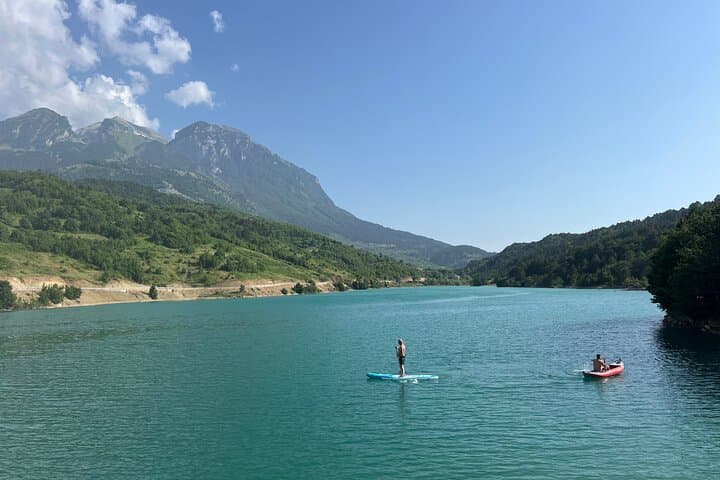
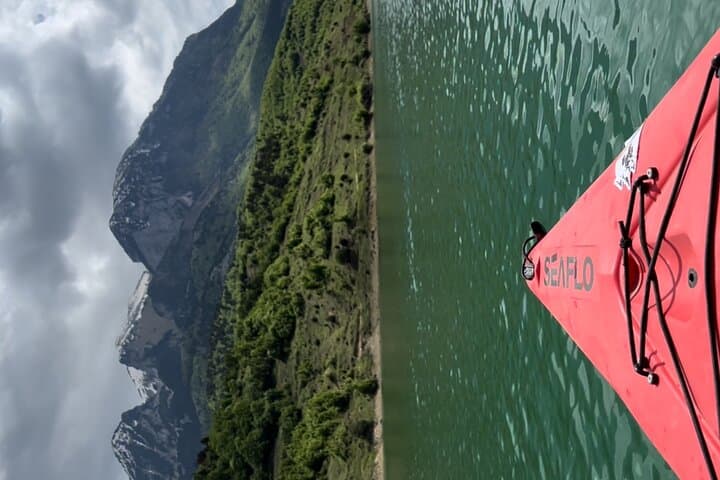
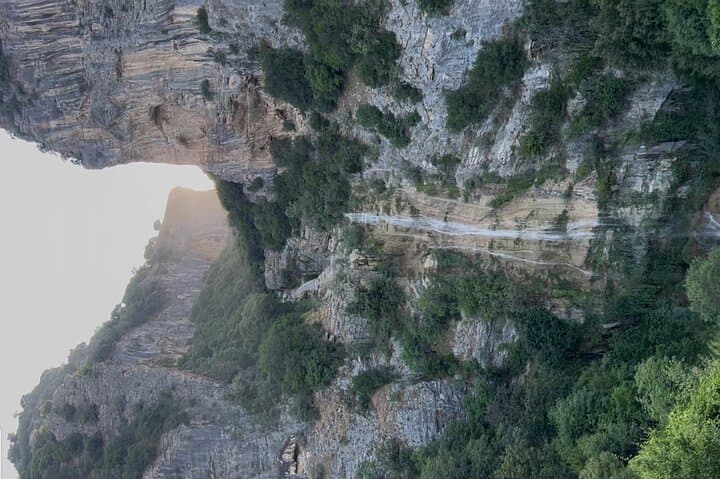
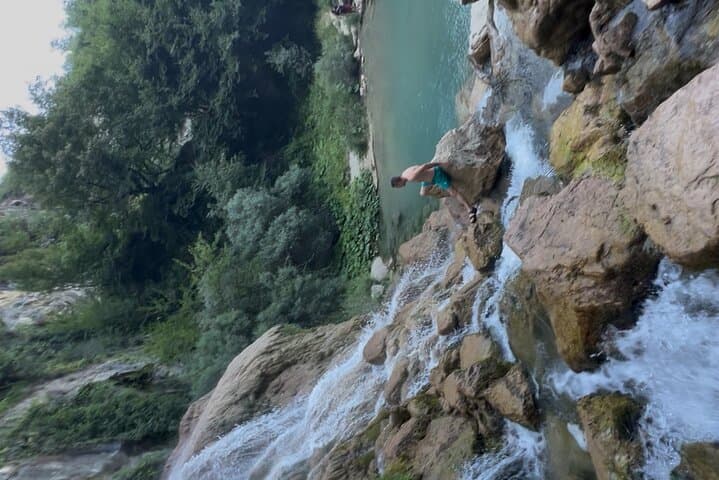
Mist rises off cold mountain lakes as you climb away from the olive-dotted valleys of Berat. The trail first threads through oak and beech, then opens to stony terraces where wind-sculpted pines lean toward the ridge. Ahead, the Sotira waterfall drops roughly 100 meters—its spray daring you closer—while high basins hold mirror-flat tarns that collect alpine light.
Mist rises off cold mountain lakes as you climb away from the olive-dotted valleys of Berat. The trail first threads through oak and beech, then opens to stony terraces where wind-sculpted pines lean toward the ridge. Ahead, the Sotira waterfall drops roughly 100 meters—its spray daring you closer—while high basins hold mirror-flat tarns that collect alpine light.
Geology here is limestone and schist carved by glacial action and seasonal run-off; the karst slopes form the steep cirques and pockets that host the mountain lakes. Culturally, Tomorr is Albania’s “holy mountain”: Bektashi and Christian pilgrims still make seasonal ascents. That spiritual presence filters to trail etiquette—quiet pauses and respect for small shrines and shepherd camps.
Expect mixed terrain: forested singletrack, loose scree near higher benches, and short rocky scrambles to viewpoints. The full outing runs 3–6 hours depending on route and stops; elevation change is typically moderate but can be sharp on slick sections. Timing matters—spring melt swells streams, summer dries the lakes slightly, and autumn offers the clearest views.
Practical guidance: start early to avoid midday heat and to see the waterfall at its most powerful; bring 2–3 liters of water, sturdy boots with good grip, and a windproof layer. Allow extra time for photography and short side trips to lakeshores. Follow Leave No Trace—this area is ecologically sensitive and culturally important. Local guides are recommended for navigation, seasonal conditions, and cultural context, especially if you plan to extend into higher ridgelines.