THE ADVENTURE COLLECTIVE® · Independent discovery and booking for outdoor travel

A steep, well-maintained scramble to the crater rim of one of Hokkaido’s most active volcanoes. Expect dramatic views over Lake Shikotsu, fumaroles near the lava dome, and a chance to finish at a local onsen.
A steep, well-maintained scramble to the crater rim of one of Hokkaido’s most active volcanoes. Expect dramatic views over Lake Shikotsu, fumaroles near the lava dome, and a chance to finish at a local onsen.
You start on a quiet highway south of Sapporo, the minivan windows framing a broad caldera lake as it slips into view. Lake Shikotsu catches the light, glassy and cold, then the road tightens and you climb to the 7th station where pine and volcanic rock meet. The trail rises immediately — steep switchbacks, loose scoria and the sulfur-scented air announcing you’re on an active volcano's shoulder.
Verified experiences and guided adventures in the surrounding area.
Operated by Hokkaido Private Adventure · Chitose, Hokkaido
You start on a quiet highway south of Sapporo, the minivan windows framing a broad caldera lake as it slips into view. Lake Shikotsu catches the light, glassy and cold, then the road tightens and you climb to the 7th station where pine and volcanic rock meet. The trail rises immediately — steep switchbacks, loose scoria and the sulfur-scented air announcing you’re on an active volcano's shoulder.
Geology here is immediate: Tarumae is a stratovolcano with a recent lava dome and fumarolic vents that steam along the rim. The caldera that holds Lake Shikotsu formed in older, larger eruptions; today Tarumae keeps that energy close, with fresh lava flows visible from the summit lip. The area has long been part of Ainu country and the surrounding hot-spring towns grew around the unique thermal landscape.
On a clear day the crater rim frames the lava dome in the foreground, Lake Shikotsu below and, far off, the symmetrical cone of Mt. Yotei and glimpses of the Pacific. Birdsong from the Yacho-no-Mori sanctuary threads through the pines; a post-hike soak in a local onsen makes for a proper cooldown.
Practical guide: the maintained trail gains the crater rim in roughly an hour of steep climbing; allow 2–3 hours roundtrip for hiking and time at the summit, plus driving. Wear sturdy boots, layered clothing (wind and sulfur can bite), and bring water and poles for the loose sections. Guides handle permits and park fees; let them know in advance if you want an onsen stop. This is a compact, volcanic day that rewards short effort with unusually close-up volcanic scenery.
moderate.
6–8 hours (full-day trip including transport).
Moderate fitness: able to sustain a steep 45–60 minute ascent on uneven volcanic terrain and handle short bouts of scrambling.
From the 7th station the maintained trail climbs to the rim in roughly 45–60 minutes; allow additional time for summit views and the return trip.
Guided trips monitor volcanic conditions and stay on established trails; fumaroles are visible but managed — disclose respiratory or health concerns to your guide before departure.
Onsen stops are optional and can be arranged by the guide if you request one in advance; it usually adds 30–60 minutes depending on location and changing time.
Yes — the trail is well-maintained but steep; beginners with moderate fitness who move steadily and use poles should be fine, while those with spinal issues or pregnancy are advised not to participate.
Mount Tarumae is an active stratovolcano whose recent eruptions created a prominent lava dome and contributed to the caldera that holds Lake Shikotsu; the area has long been used and named by the Ainu people.
Stay on trails and avoid disturbing fumarolic ground to protect fragile volcanic soils; follow leave-no-trace and local park rules to preserve water clarity and bird habitat.
Hokkaido Private Adventure operates guided outdoor trips and adventures with an emphasis on safety, stewardship, and memorable experiences.
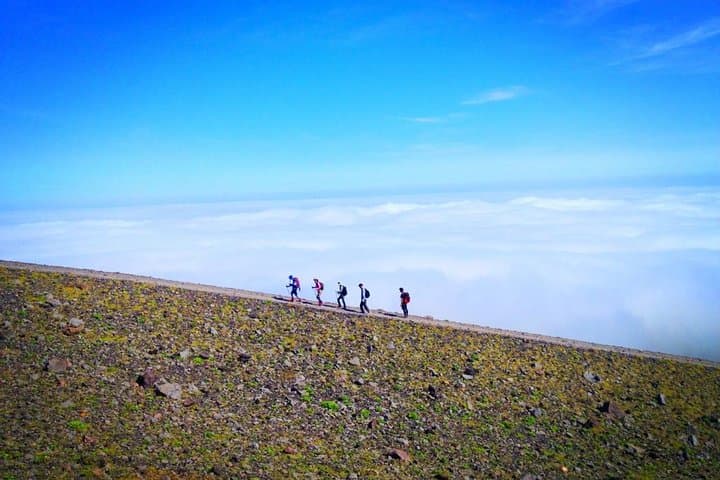
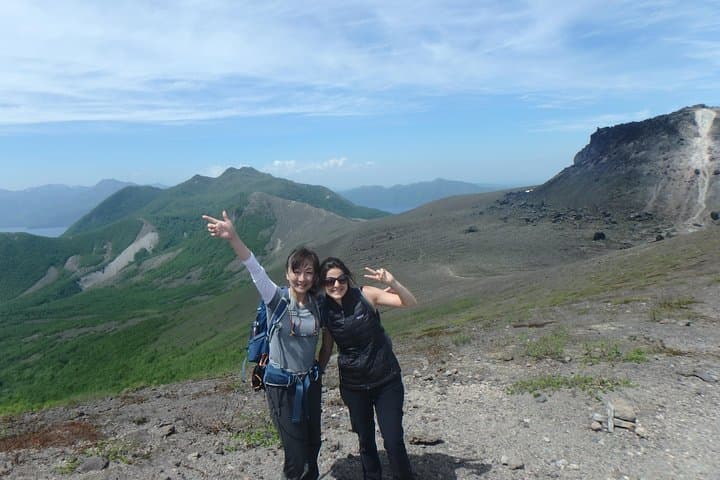
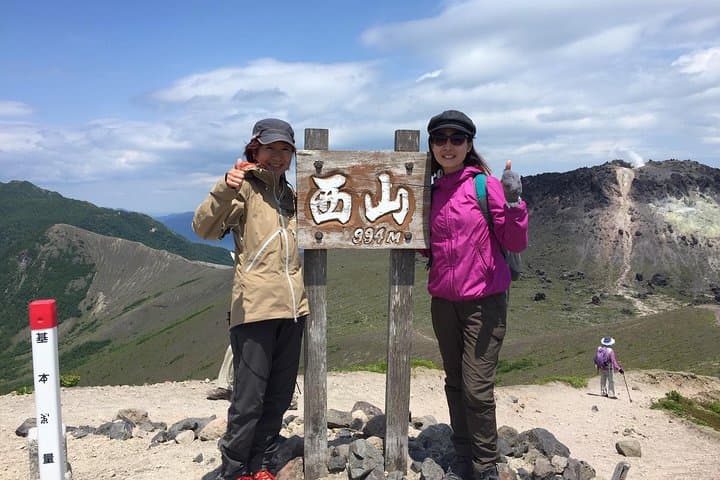
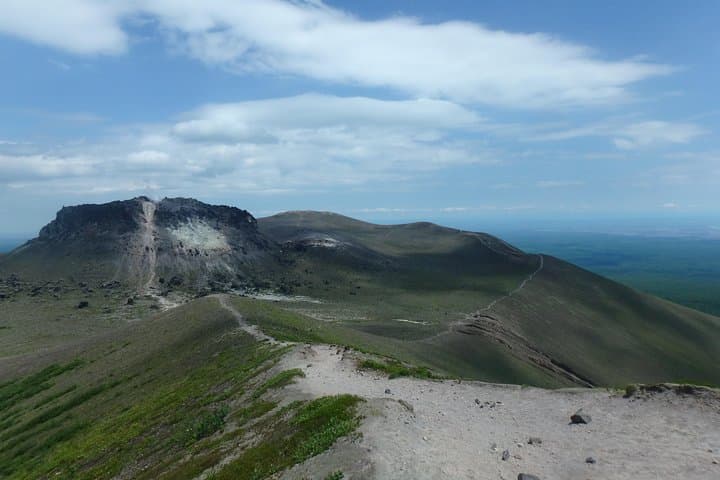
You start on a quiet highway south of Sapporo, the minivan windows framing a broad caldera lake as it slips into view. Lake Shikotsu catches the light, glassy and cold, then the road tightens and you climb to the 7th station where pine and volcanic rock meet. The trail rises immediately — steep switchbacks, loose scoria and the sulfur-scented air announcing you’re on an active volcano's shoulder.
You start on a quiet highway south of Sapporo, the minivan windows framing a broad caldera lake as it slips into view. Lake Shikotsu catches the light, glassy and cold, then the road tightens and you climb to the 7th station where pine and volcanic rock meet. The trail rises immediately — steep switchbacks, loose scoria and the sulfur-scented air announcing you’re on an active volcano's shoulder.
Geology here is immediate: Tarumae is a stratovolcano with a recent lava dome and fumarolic vents that steam along the rim. The caldera that holds Lake Shikotsu formed in older, larger eruptions; today Tarumae keeps that energy close, with fresh lava flows visible from the summit lip. The area has long been part of Ainu country and the surrounding hot-spring towns grew around the unique thermal landscape.
On a clear day the crater rim frames the lava dome in the foreground, Lake Shikotsu below and, far off, the symmetrical cone of Mt. Yotei and glimpses of the Pacific. Birdsong from the Yacho-no-Mori sanctuary threads through the pines; a post-hike soak in a local onsen makes for a proper cooldown.
Practical guide: the maintained trail gains the crater rim in roughly an hour of steep climbing; allow 2–3 hours roundtrip for hiking and time at the summit, plus driving. Wear sturdy boots, layered clothing (wind and sulfur can bite), and bring water and poles for the loose sections. Guides handle permits and park fees; let them know in advance if you want an onsen stop. This is a compact, volcanic day that rewards short effort with unusually close-up volcanic scenery.