THE ADVENTURE COLLECTIVE® · Independent discovery and booking for outdoor travel

Follow a coastal ridge from Fiorenzuola di Focara to Vallugola Bay on a 3–4 hour guided hike across wooded slopes, exposed cliffs, and medieval alleys. Expect sea-spray views, Pliocene limestone outcrops, and village history woven into the trail.
Follow a coastal ridge from Fiorenzuola di Focara to Vallugola Bay on a 3–4 hour guided hike across wooded slopes, exposed cliffs, and medieval alleys. Expect sea-spray views, Pliocene limestone outcrops, and village history woven into the trail.
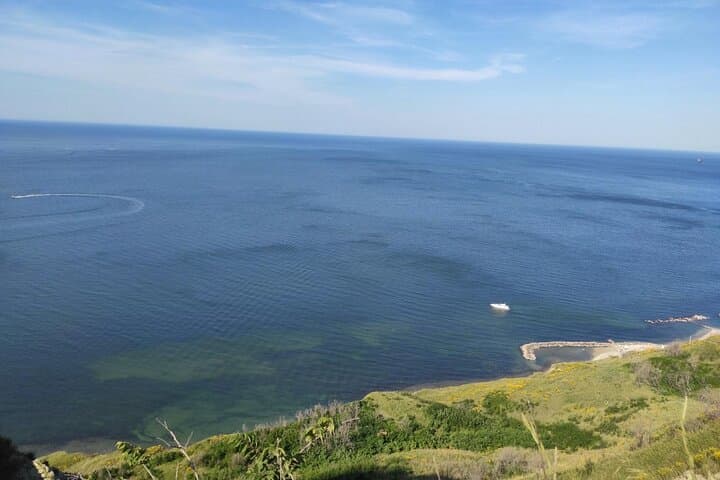
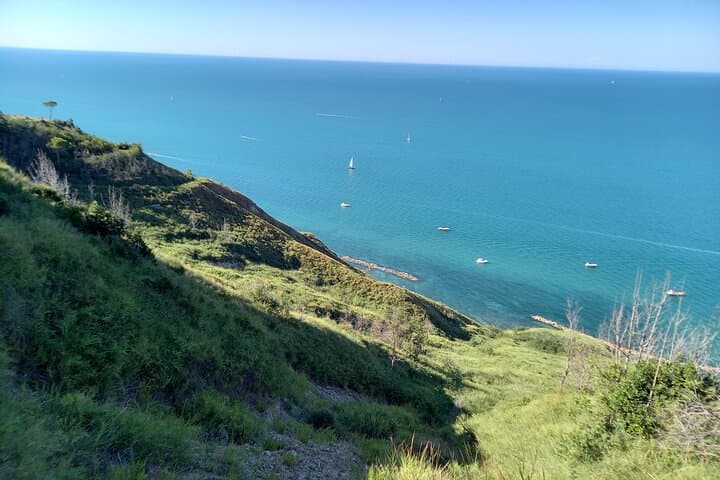
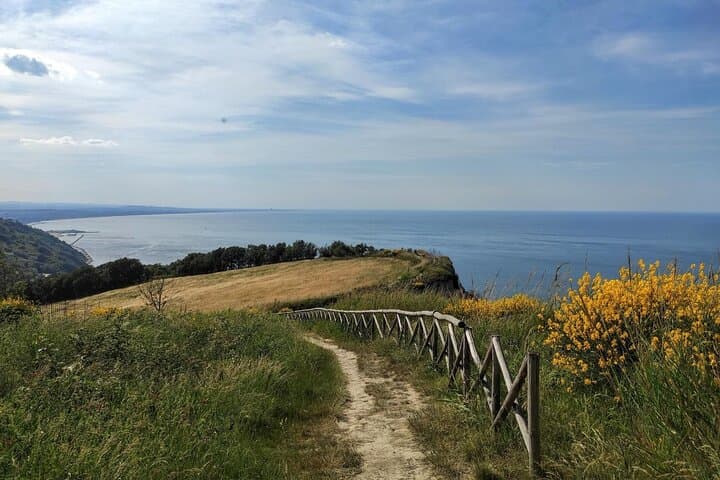
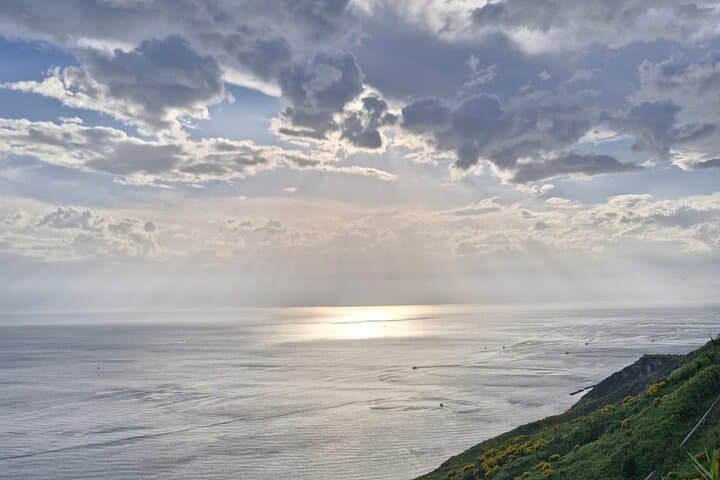
The trail opens with wind off the Adriatic pushing at your shoulders and the scent of sun-warmed Mediterranean scrub rising from the slopes. You step onto a narrow crest where the path alternates between shaded cork-oak groves and exposed ledges, each bend offering a new strip of blue sea and the vertical drop of cliffs daring you to look down.
Verified experiences and guided adventures in the surrounding area.
Operated by History trekking · Pesaro, Marche
The trail opens with wind off the Adriatic pushing at your shoulders and the scent of sun-warmed Mediterranean scrub rising from the slopes. You step onto a narrow crest where the path alternates between shaded cork-oak groves and exposed ledges, each bend offering a new strip of blue sea and the vertical drop of cliffs daring you to look down.
This walk threads natural history and human story: the limestone cliffs are part of a Pliocene coastal ridge, their strata revealing longshore processes that reshaped harbors used since Greek and Roman times. Villages like Fiorenzuola di Focara and Casteldimezzo speak of medieval coastal signaling, disputed fortifications between Malatesta and Montefeltro families, and even a Dantean mention of ferocious winds.
Expect roughly 6–9 km of walking with 150–300 m cumulative elevation gain over about 3–4 hours on mixed dirt singletrack, rocky staircases and short paved stretches through village alleys. The route finishes near Vallugola Bay — a small natural port where olives and scrub slope to pebble beach and calm water.
Practical guidance: wear sturdy trekking shoes, carry at least 1.5 L of water, and layer for coastal wind. Start mid-morning in spring or fall for milder temperatures and clearer views; summer brings strong sun and busier beaches. Respect trail closures and historic ruins, follow guided-route wayfinding, and leave no trace to protect fragile cliff flora. With moderate fitness you’ll move steadily and be rewarded by panoramic sea views and pockets of quiet village history along the way.
moderate.
3–4 hours.
Suitable for people with moderate fitness who can sustain steady walking over uneven terrain and short climbs.
The guided outing runs about 3–4 hours covering roughly 6–9 km with 150–300 m cumulative ascent — moderate difficulty suited to hikers with steady endurance.
Yes — the route includes exposed coastal ledges and cliff viewpoints; stay on marked paths and follow your guide's instructions.
Yes — Pesaro and nearby towns have regional buses and local transit; confirm meeting point with the operator and allow extra time.
Not recommended for very young children or people with limited mobility due to uneven ground, steps, and exposed sections; check with the guide for alternatives.
The coast here was a contested frontier in medieval times between the Malatesta and Montefeltro families; small fortified villages served as signaling and supply points and are referenced in historic literature.
Cliff-top vegetation is fragile and subject to erosion; stick to marked trails, avoid trampling scrub, and pack out all waste to protect nesting birds and endemic plants.
History trekking operates guided outdoor trips and adventures with an emphasis on safety, stewardship, and memorable experiences.
The trail opens with wind off the Adriatic pushing at your shoulders and the scent of sun-warmed Mediterranean scrub rising from the slopes. You step onto a narrow crest where the path alternates between shaded cork-oak groves and exposed ledges, each bend offering a new strip of blue sea and the vertical drop of cliffs daring you to look down.
The trail opens with wind off the Adriatic pushing at your shoulders and the scent of sun-warmed Mediterranean scrub rising from the slopes. You step onto a narrow crest where the path alternates between shaded cork-oak groves and exposed ledges, each bend offering a new strip of blue sea and the vertical drop of cliffs daring you to look down.
This walk threads natural history and human story: the limestone cliffs are part of a Pliocene coastal ridge, their strata revealing longshore processes that reshaped harbors used since Greek and Roman times. Villages like Fiorenzuola di Focara and Casteldimezzo speak of medieval coastal signaling, disputed fortifications between Malatesta and Montefeltro families, and even a Dantean mention of ferocious winds.
Expect roughly 6–9 km of walking with 150–300 m cumulative elevation gain over about 3–4 hours on mixed dirt singletrack, rocky staircases and short paved stretches through village alleys. The route finishes near Vallugola Bay — a small natural port where olives and scrub slope to pebble beach and calm water.
Practical guidance: wear sturdy trekking shoes, carry at least 1.5 L of water, and layer for coastal wind. Start mid-morning in spring or fall for milder temperatures and clearer views; summer brings strong sun and busier beaches. Respect trail closures and historic ruins, follow guided-route wayfinding, and leave no trace to protect fragile cliff flora. With moderate fitness you’ll move steadily and be rewarded by panoramic sea views and pockets of quiet village history along the way.