THE ADVENTURE COLLECTIVE® · Independent discovery and booking for outdoor travel

A sharp, accessible volcanic day-hike an hour from Nairobi: climb through gullied slopes to a rim with sweeping Rift Valley views. This guide covers what to expect, local geology, and practical tips for the 4–6 hour outing.
A sharp, accessible volcanic day-hike an hour from Nairobi: climb through gullied slopes to a rim with sweeping Rift Valley views. This guide covers what to expect, local geology, and practical tips for the 4–6 hour outing.
The day begins before sunrise, leaving Nairobi’s traffic for the green slopes of the Kikuyu highlands and a broad view across the Great Rift Valley.
Verified experiences and guided adventures in the surrounding area.
Operated by Sabilom Kenya Tours & Safaris · Nairobi, Nakuru County
The day begins before sunrise, leaving Nairobi’s traffic for the green slopes of the Kikuyu highlands and a broad view across the Great Rift Valley.
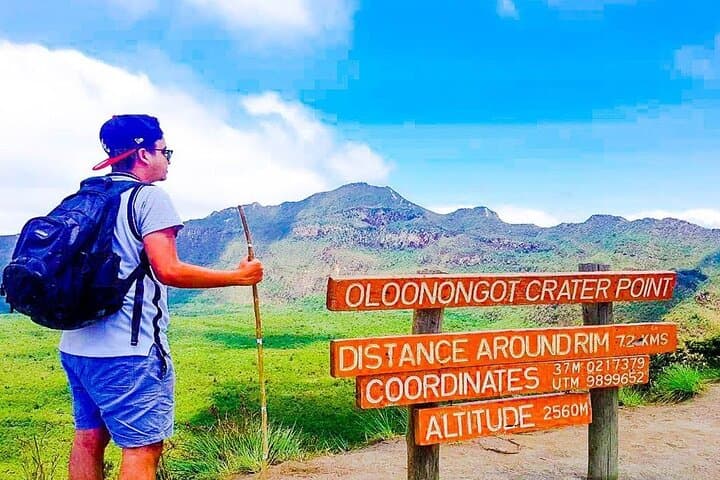
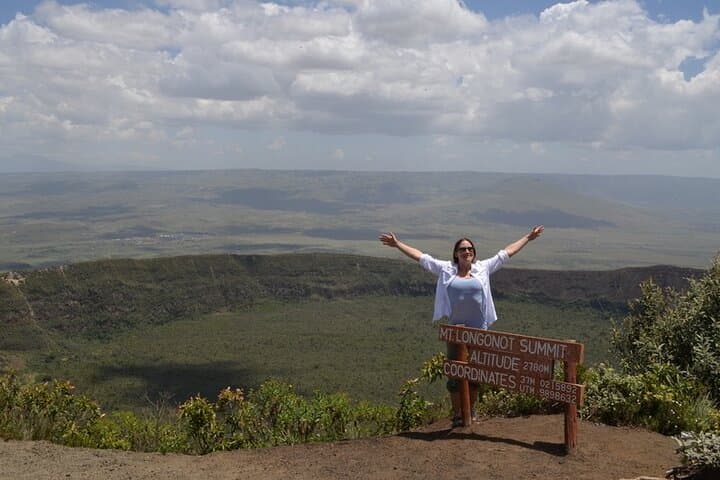
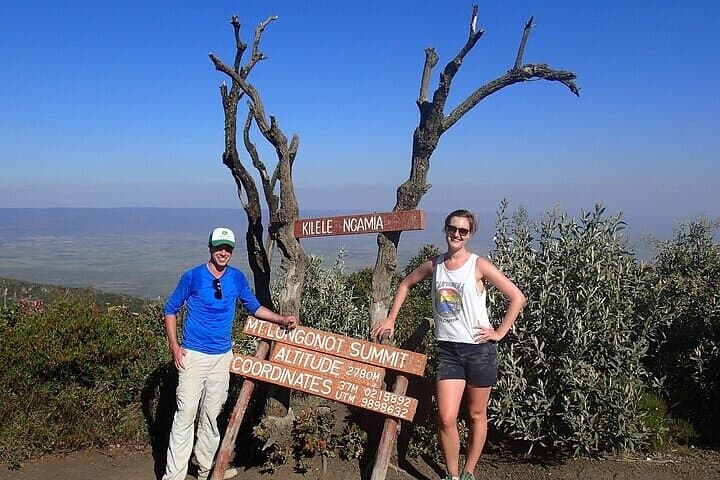
You arrive at Mount Longonot National Park with the crater visible as a raw, rounded scar on the landscape. The trail climbs through gullies and open grassland, the earth underfoot changing from compacted trail to loose volcanic scree as you gain altitude. Wind plays along the rim and the crater itself seems to breathe — the circular bowl offering a clear view into recent volcanic work and across to Lake Naivasha.
Geology here is plain to see: the Rift Valley opened roughly five million years ago and volcanic activity left cones and calderas like Longonot. The mountain’s name comes from a Maasai phrase meaning “mountains of many spurs,” reflecting how local communities have long read this landscape for grazing and water. Management by Kenya Wildlife Service keeps the trail marked and grazing limited to lower slopes.
Expect 6–8 km round-trip with about 500–700 m of elevation gain depending on whether you circle the rim. The full outing usually takes 4–6 hours including short rests and a viewpoint stop. Start early to avoid heat and wind on the rim, carry at least 2 liters of water, sun protection, and firm footwear. If your legs are fresh you can walk the crater rim — it’s exposed, rewarding, and requires steady footing.
Leave no trace, follow park rules, and plan transport back to Nairobi; the road gives you a last look at the Rift’s layered cliffs as the city approaches.
moderate.
4–6 hours.
Suitable for someone who does regular hill walking and can manage sustained climbs of 500–700 m.
Most visitors complete a 6–8 km return with roughly 500–700 m of ascent in 4–6 hours; difficulty is moderate — steep in sections but on a clear trail.
Park fees and registration are required at the gate; guided groups are common and helpful, but competent walkers can do the route independently if registered.
Yes — the rim loop adds distance and exposure; attempt it only if you have energy and steady footing, and be mindful of wind and loose rock.
Dry months (June–September and January–February) offer the most stable trail conditions; avoid the long rains (March–May) when trails can be slippery.
Mount Longonot is a volcanic cone tied to the Eastern Rift’s activity; local communities have used the slopes for grazing for generations.
The park is managed to reduce overgrazing and erosion; visitors should stick to trails, pack out waste, and minimise disturbance to wildlife.
Sabilom Kenya Tours & Safaris operates guided outdoor trips and adventures with an emphasis on safety, stewardship, and memorable experiences.

The day begins before sunrise, leaving Nairobi’s traffic for the green slopes of the Kikuyu highlands and a broad view across the Great Rift Valley.
The day begins before sunrise, leaving Nairobi’s traffic for the green slopes of the Kikuyu highlands and a broad view across the Great Rift Valley.
You arrive at Mount Longonot National Park with the crater visible as a raw, rounded scar on the landscape. The trail climbs through gullies and open grassland, the earth underfoot changing from compacted trail to loose volcanic scree as you gain altitude. Wind plays along the rim and the crater itself seems to breathe — the circular bowl offering a clear view into recent volcanic work and across to Lake Naivasha.
Geology here is plain to see: the Rift Valley opened roughly five million years ago and volcanic activity left cones and calderas like Longonot. The mountain’s name comes from a Maasai phrase meaning “mountains of many spurs,” reflecting how local communities have long read this landscape for grazing and water. Management by Kenya Wildlife Service keeps the trail marked and grazing limited to lower slopes.
Expect 6–8 km round-trip with about 500–700 m of elevation gain depending on whether you circle the rim. The full outing usually takes 4–6 hours including short rests and a viewpoint stop. Start early to avoid heat and wind on the rim, carry at least 2 liters of water, sun protection, and firm footwear. If your legs are fresh you can walk the crater rim — it’s exposed, rewarding, and requires steady footing.
Leave no trace, follow park rules, and plan transport back to Nairobi; the road gives you a last look at the Rift’s layered cliffs as the city approaches.