THE ADVENTURE COLLECTIVE® · Independent discovery and booking for outdoor travel

Summit Burundi’s highest point on a 4–6 hour hike through Bururi Forest Reserve. Expect steep forested trails, wide views toward Lake Tanganyika, and cultural stops in local villages.
Summit Burundi’s highest point on a 4–6 hour hike through Bururi Forest Reserve. Expect steep forested trails, wide views toward Lake Tanganyika, and cultural stops in local villages.
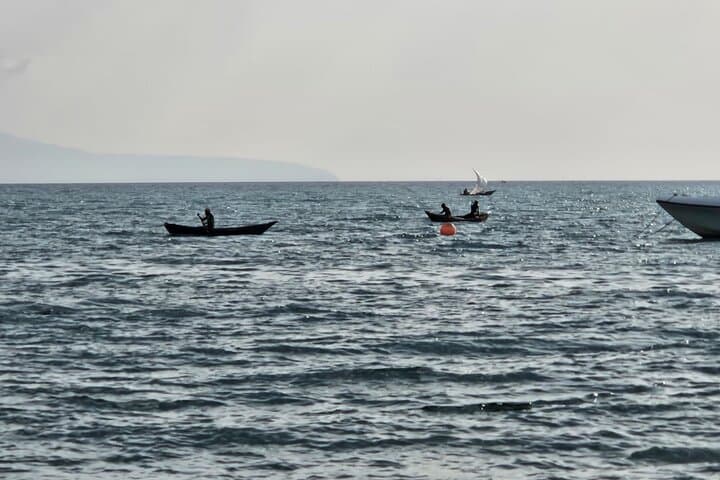
You start before dawn on a dirt track that climbs out of Bururi’s valley, the air thin and cool as the Bururi Forest wakes around you. Faint light cuts through afro-montane trees and the trail steepens; at 2,684 meters Mount Heha lifts above surrounding ridges, and on a clear day the slope opens toward Lake Tanganyika and the lower Rusizi plain.
Verified experiences and guided adventures in the surrounding area.
Operated by Burundi Safari & Tours · Bururi, Bururi Province
You start before dawn on a dirt track that climbs out of Bururi’s valley, the air thin and cool as the Bururi Forest wakes around you. Faint light cuts through afro-montane trees and the trail steepens; at 2,684 meters Mount Heha lifts above surrounding ridges, and on a clear day the slope opens toward Lake Tanganyika and the lower Rusizi plain.
Mount Heha sits in Burundi’s southern highlands within the Bururi Forest Reserve, an area shaped by volcanic uplift and long erosion. The forest protects endemic birds and pockets of Afromontane flora; local communities have long grazed and farmed the hillsides, and the area carries cultural ties to nearby villages and the history of regional chiefs.
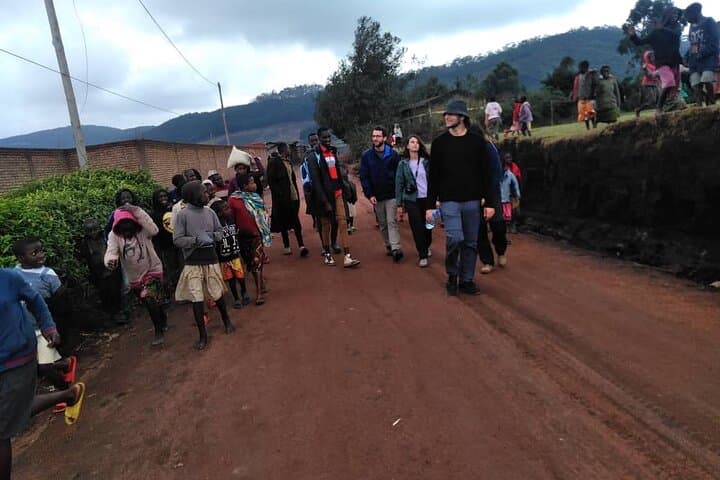
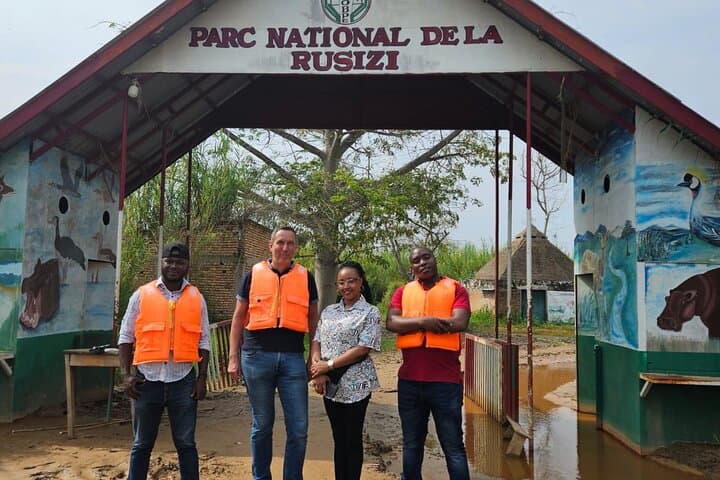
Geology here is a mix of volcanic soils and old metamorphic bedrock; expect rocky outcrops interspersed with firmer, loamy trails. Wildlife sightings commonly include forest birds and, in lower wetlands, hippos in the Rusizi River system. Interaction with villagers is straightforward—polite greetings are customary and small purchases of local produce support families.
Practical guidance: the standard hike is 4–6 hours round trip with 400–700 m of elevation gain depending on starting point. Wear sturdy hiking shoes, bring 1–2 liters of water, and layer for wind at the summit. The dry season (May–October) offers the most reliable views; expect muddy patches and leeches in wet months. Local guides are recommended for navigation and cultural access; many tours include private transport, lunch, and bottled water. Plan for basic facilities at trailheads and bring cash for small fees or community donations. Start early to avoid afternoon cloud and allow time for village visits on the return.
moderate.
4–6 hours.
Good basic fitness for steady uphill sections and uneven terrain; comfortable with sustained climbs.
Typical guided hikes take 4–6 hours round trip depending on the start point and pace, with several hundred meters of elevation gain.
There is usually an admission fee for the Bururi Forest Reserve; a local guide or tour operator will arrange permits and payment.
The dry season (May–October) provides the most reliable trail conditions and clearer summit views; avoid heavy rains when trails are slippery.
Birdwatching is excellent and you may hear or see forest species; hippos are present in lower wetland areas near the Rusizi, but not on the mountain trails.
The Bururi highlands have long been home to local farming communities and played roles in regional chiefdoms; the forest reserve protects both natural and cultural landscapes.
Bururi Forest Reserve faces pressure from agriculture and firewood collection; guided visits that pay fees and buy local help support conservation and community livelihoods.
Burundi Safari & Tours operates guided outdoor trips and adventures with an emphasis on safety, stewardship, and memorable experiences.
You start before dawn on a dirt track that climbs out of Bururi’s valley, the air thin and cool as the Bururi Forest wakes around you. Faint light cuts through afro-montane trees and the trail steepens; at 2,684 meters Mount Heha lifts above surrounding ridges, and on a clear day the slope opens toward Lake Tanganyika and the lower Rusizi plain.
You start before dawn on a dirt track that climbs out of Bururi’s valley, the air thin and cool as the Bururi Forest wakes around you. Faint light cuts through afro-montane trees and the trail steepens; at 2,684 meters Mount Heha lifts above surrounding ridges, and on a clear day the slope opens toward Lake Tanganyika and the lower Rusizi plain.
Mount Heha sits in Burundi’s southern highlands within the Bururi Forest Reserve, an area shaped by volcanic uplift and long erosion. The forest protects endemic birds and pockets of Afromontane flora; local communities have long grazed and farmed the hillsides, and the area carries cultural ties to nearby villages and the history of regional chiefs.
Geology here is a mix of volcanic soils and old metamorphic bedrock; expect rocky outcrops interspersed with firmer, loamy trails. Wildlife sightings commonly include forest birds and, in lower wetlands, hippos in the Rusizi River system. Interaction with villagers is straightforward—polite greetings are customary and small purchases of local produce support families.
Practical guidance: the standard hike is 4–6 hours round trip with 400–700 m of elevation gain depending on starting point. Wear sturdy hiking shoes, bring 1–2 liters of water, and layer for wind at the summit. The dry season (May–October) offers the most reliable views; expect muddy patches and leeches in wet months. Local guides are recommended for navigation and cultural access; many tours include private transport, lunch, and bottled water. Plan for basic facilities at trailheads and bring cash for small fees or community donations. Start early to avoid afternoon cloud and allow time for village visits on the return.