THE ADVENTURE COLLECTIVE® · Independent discovery and booking for outdoor travel

A private day tour from Guangzhou to Mount Baishui leads to a dramatic 428.5‑meter waterfall and a climb that mixes a sightseeing bus with thousands of stone steps. This guide explains what to expect on the trail, plus practical tips for timing, gear, and local context.
A private day tour from Guangzhou to Mount Baishui leads to a dramatic 428.5‑meter waterfall and a climb that mixes a sightseeing bus with thousands of stone steps. This guide explains what to expect on the trail, plus practical tips for timing, gear, and local context.
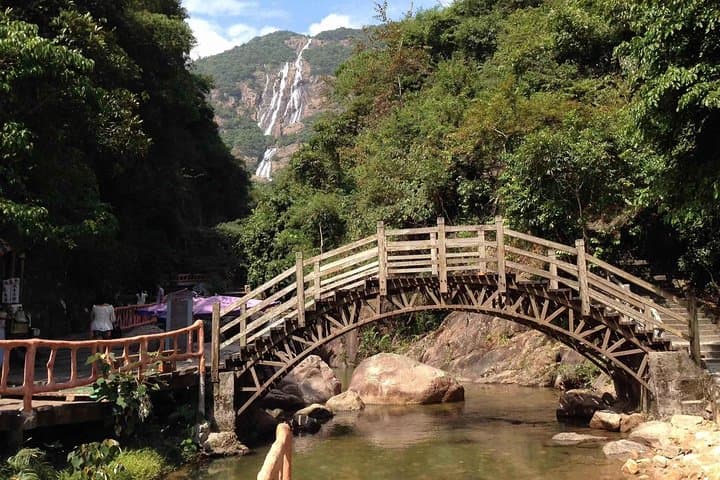
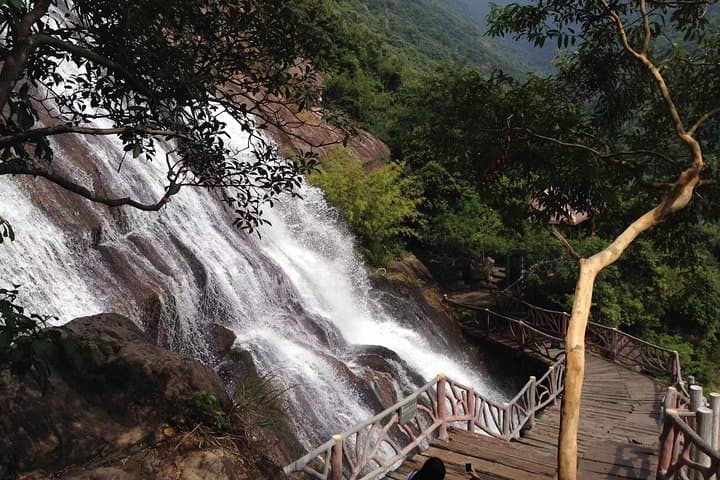
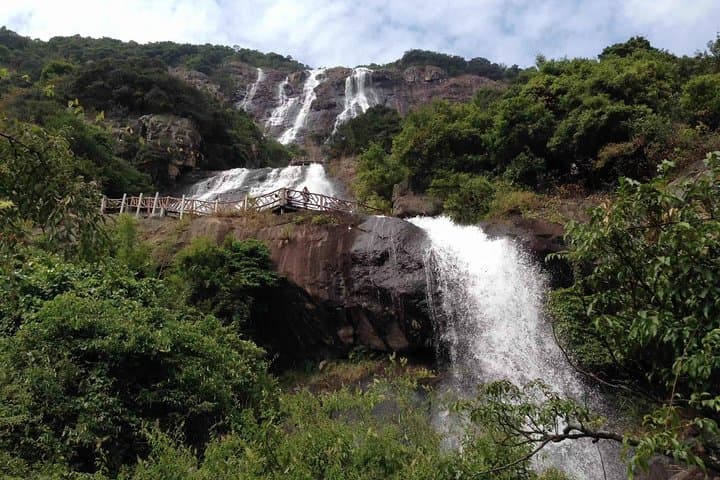
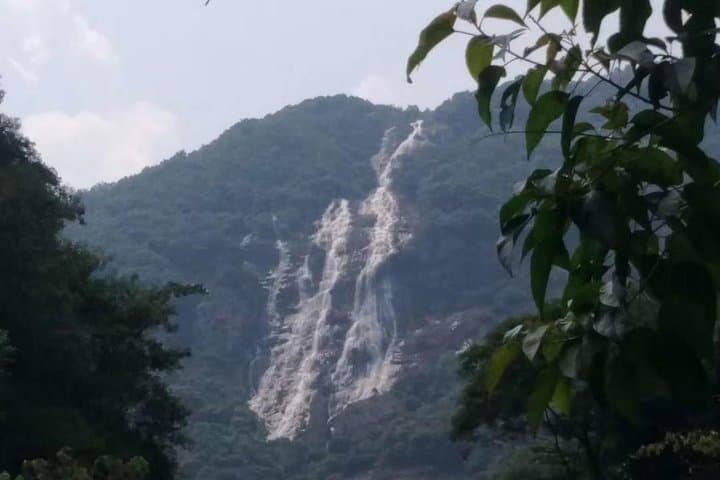
The trail opens with the roar of water—first distant, then suddenly present—pulling you toward a 428.5‑meter fall that drops like a carved curtain through the Nankun ranges. Early morning roads out of Guangzhou roll past rice fields and low hills; by the time the guide eases the van into Baishui Village, the forest has closed over the road and the air smells of damp leaf litter and granite.
Verified experiences and guided adventures in the surrounding area.
Operated by SilkRoadTrips · Nankunshan (Baishui Village), Guangdong
The trail opens with the roar of water—first distant, then suddenly present—pulling you toward a 428.5‑meter fall that drops like a carved curtain through the Nankun ranges. Early morning roads out of Guangzhou roll past rice fields and low hills; by the time the guide eases the van into Baishui Village, the forest has closed over the road and the air smells of damp leaf litter and granite.
Geology here is granite and schist, heavily weathered into steep steps and terraces. Local villagers historically built stone stairs to link tea plots and spring sources; today those stairs have become the route visitors use to reach the crater lake and the waterfall’s upper rim. The mountain sits within Guangdong’s subtropical biome—bamboo and broadleaf forest that hosts birds and occasional macaques—and the route reflects a working cultural landscape as much as a natural one.
On this private day tour you’ll take a sightseeing bus partway to a middle platform (an 899‑step viewpoint) then continue the climb—guides estimate about three hours to the summit via roughly 9,999 steps in total if you take the full stair route; most groups mix walking with the bus. Expect steep, uneven stone steps, short exposed sections, and damp patches after rain.
Practical: wear grippy hiking shoes, carry 1–2 liters of water, and pace your ascent—stairs are relentless but regular benches and platforms break the effort into manageable sections. Aim to go early to avoid heat and crowds, and leave no trace—this landscape is both scenic and actively used by local communities.
moderate.
8 hours.
Should be in good steady walking condition; able to climb sustained stairs for up to three hours with short breaks.
The tour typically includes a 1.5‑hour drive each way (about 100–120 km depending on traffic), leaving early morning and returning by late afternoon.
Most of the route consists of long stone stair sections and constructed platforms; some steeper stretches are more rugged and can be slippery when wet.
The itinerary notes it’s suitable for general fitness levels, but the sustained stair climb can be strenuous—consider using the sightseeing bus option to reduce effort.
Typical inclusions are private transport, bottled water, entrance fees, and lunch; confirm specifics with the operator when booking.
Nankun Mountains have long supported local farming and tea terraces; stone stairs reflect generations of villagers linking springs and fields.
Stay on designated steps and platforms to limit erosion; local operators emphasize Leave No Trace and keep visitor numbers lower via private tours.
SilkRoadTrips operates guided outdoor trips and adventures with an emphasis on safety, stewardship, and memorable experiences.
The trail opens with the roar of water—first distant, then suddenly present—pulling you toward a 428.5‑meter fall that drops like a carved curtain through the Nankun ranges. Early morning roads out of Guangzhou roll past rice fields and low hills; by the time the guide eases the van into Baishui Village, the forest has closed over the road and the air smells of damp leaf litter and granite.
The trail opens with the roar of water—first distant, then suddenly present—pulling you toward a 428.5‑meter fall that drops like a carved curtain through the Nankun ranges. Early morning roads out of Guangzhou roll past rice fields and low hills; by the time the guide eases the van into Baishui Village, the forest has closed over the road and the air smells of damp leaf litter and granite.
Geology here is granite and schist, heavily weathered into steep steps and terraces. Local villagers historically built stone stairs to link tea plots and spring sources; today those stairs have become the route visitors use to reach the crater lake and the waterfall’s upper rim. The mountain sits within Guangdong’s subtropical biome—bamboo and broadleaf forest that hosts birds and occasional macaques—and the route reflects a working cultural landscape as much as a natural one.
On this private day tour you’ll take a sightseeing bus partway to a middle platform (an 899‑step viewpoint) then continue the climb—guides estimate about three hours to the summit via roughly 9,999 steps in total if you take the full stair route; most groups mix walking with the bus. Expect steep, uneven stone steps, short exposed sections, and damp patches after rain.
Practical: wear grippy hiking shoes, carry 1–2 liters of water, and pace your ascent—stairs are relentless but regular benches and platforms break the effort into manageable sections. Aim to go early to avoid heat and crowds, and leave no trace—this landscape is both scenic and actively used by local communities.