THE ADVENTURE COLLECTIVE® · Independent discovery and booking for outdoor travel

Follow the Barouk River from the Virgin Mary church in Moukhtara for an 8 km moderate hike that threads Roman and Ottoman bridges, water mills and the Bride's Pond. Best in spring when waterfalls are fullest.
Follow the Barouk River from the Virgin Mary church in Moukhtara for an 8 km moderate hike that threads Roman and Ottoman bridges, water mills and the Bride's Pond. Best in spring when waterfalls are fullest.
You step out at the Virgin Mary church in Moukhtara; cool spring air pushes down the valley and the Barouk River dares you to follow its course. The trail drops into a mixed oak and pine corridor, passing shallow cascades, old stone water mills and arches that still carry the memory of Roman and Ottoman engineers.
Verified experiences and guided adventures in the surrounding area.
Operated by Lebanon Outdoor Activities · Moukhtara, Mount Lebanon Governorate
You step out at the Virgin Mary church in Moukhtara; cool spring air pushes down the valley and the Barouk River dares you to follow its course. The trail drops into a mixed oak and pine corridor, passing shallow cascades, old stone water mills and arches that still carry the memory of Roman and Ottoman engineers.
Geology here is honest: limestone carved by centuries of runoff that creates shelves and pools, including Birkit al Arous (the Bride's Pond) — a wide, glassy pool where locals once did laundry and farmers watered flocks. The route threads cultural touchpoints: abandoned mills, small hamlets, and the patterned terraces of Mount Lebanon’s agricultural past. Moukhtara itself sits within the Chouf landscape long shaped by Druze communities and seasonal shepherding.
Expect a roughly 8 km loop with about 3 hours of walking at an altitude near 830 m; the trail is rated moderate with some wet, slippery sections and short, rocky descents. Spring blooms and higher water levels make cascades most impressive, while autumn brings clear views across the valley.
Practical: wear grippy hiking shoes, bring 1–2 L water, and use sun protection. The tour commonly includes breakfast, a hot welcome drink and transportation; public transit is available but staying in Beirut or Beiteddine makes logistics easier. Leave no trace, stick to the river corridor, and plan for variable mountain weather — mornings are cool, afternoons can warm quickly.
moderate.
3 hours.
Moderately fit—comfortable with uneven terrain, short rocky descents and a steady return climb.
The route is about 8 km, takes roughly 3 hours and is rated moderate—expect some rocky and slippery sections but no technical climbing.
Tours commonly include transportation from a pickup point; confirm details at booking—public transport options are also available nearby.
Not ideal for complete beginners or very young children due to uneven terrain and slippery river sections; moderate fitness and some hiking experience recommended.
Wear grippy shoes, bring 1–2 L water, sun protection, a light rain shell in spring, and cash for village snacks if you want to stop locally.
The trail follows river crossings and mills that date to Roman and Ottoman periods; the Chouf region’s villages reflect centuries of mountain agriculture and Druze cultural presence.
The area contributes to local watershed health and cedar-fringe habitats—stay on trails, avoid bathing in protected pools and pack out all trash.
Lebanon Outdoor Activities operates guided outdoor trips and adventures with an emphasis on safety, stewardship, and memorable experiences.
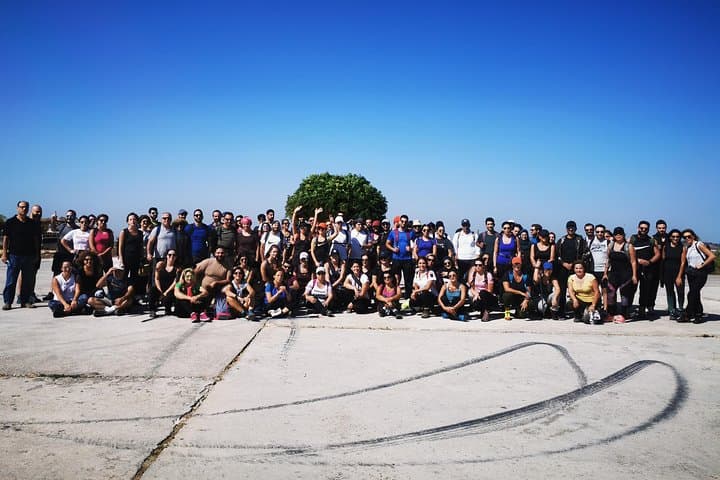
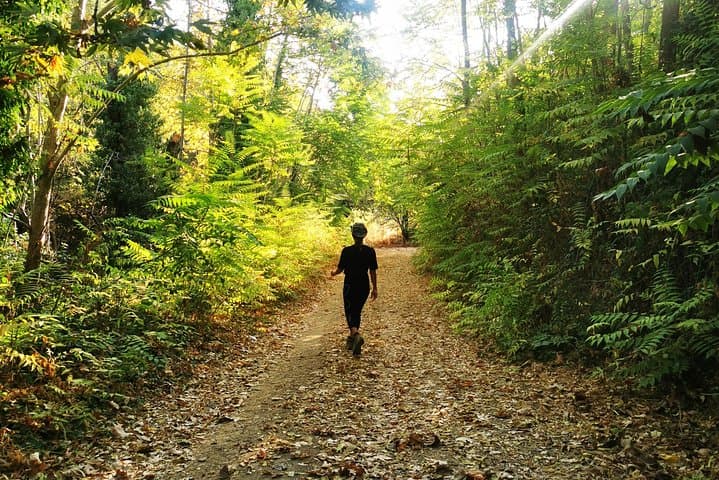
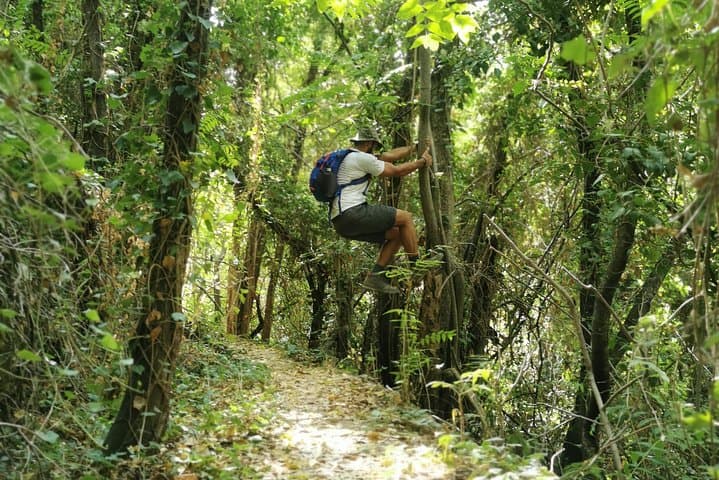
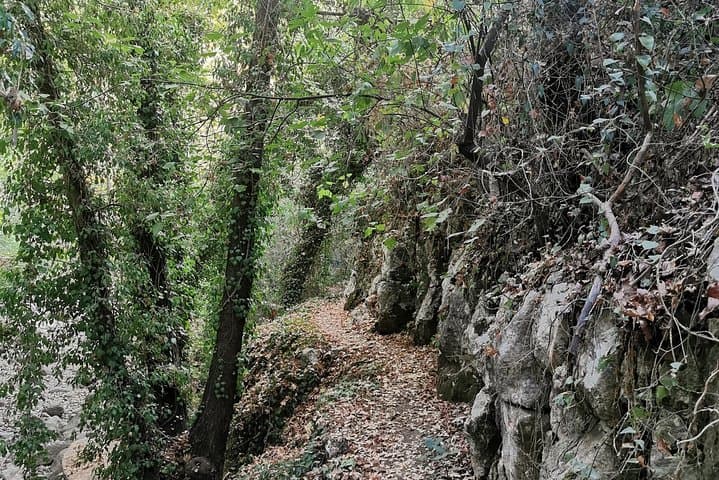
You step out at the Virgin Mary church in Moukhtara; cool spring air pushes down the valley and the Barouk River dares you to follow its course. The trail drops into a mixed oak and pine corridor, passing shallow cascades, old stone water mills and arches that still carry the memory of Roman and Ottoman engineers.
You step out at the Virgin Mary church in Moukhtara; cool spring air pushes down the valley and the Barouk River dares you to follow its course. The trail drops into a mixed oak and pine corridor, passing shallow cascades, old stone water mills and arches that still carry the memory of Roman and Ottoman engineers.
Geology here is honest: limestone carved by centuries of runoff that creates shelves and pools, including Birkit al Arous (the Bride's Pond) — a wide, glassy pool where locals once did laundry and farmers watered flocks. The route threads cultural touchpoints: abandoned mills, small hamlets, and the patterned terraces of Mount Lebanon’s agricultural past. Moukhtara itself sits within the Chouf landscape long shaped by Druze communities and seasonal shepherding.
Expect a roughly 8 km loop with about 3 hours of walking at an altitude near 830 m; the trail is rated moderate with some wet, slippery sections and short, rocky descents. Spring blooms and higher water levels make cascades most impressive, while autumn brings clear views across the valley.
Practical: wear grippy hiking shoes, bring 1–2 L water, and use sun protection. The tour commonly includes breakfast, a hot welcome drink and transportation; public transit is available but staying in Beirut or Beiteddine makes logistics easier. Leave no trace, stick to the river corridor, and plan for variable mountain weather — mornings are cool, afternoons can warm quickly.