THE ADVENTURE COLLECTIVE® · Independent discovery and booking for outdoor travel

Short, steep trails, granite summits and a Carioca happy hour: hike Morro da Urca, ride the Sugarloaf cable car for 360° views, then join locals at Mureta da Urca for sunset snacks and beer. Practical tips, trail details and what to expect on this 4-hour private tour.
Short, steep trails, granite summits and a Carioca happy hour: hike Morro da Urca, ride the Sugarloaf cable car for 360° views, then join locals at Mureta da Urca for sunset snacks and beer. Practical tips, trail details and what to expect on this 4-hour private tour.
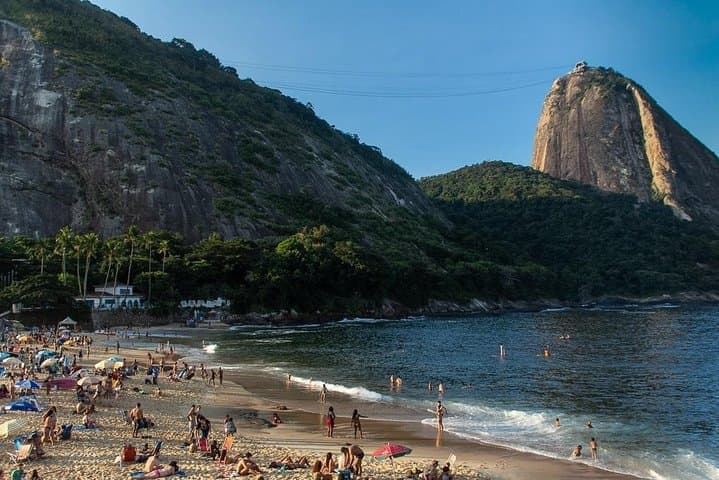
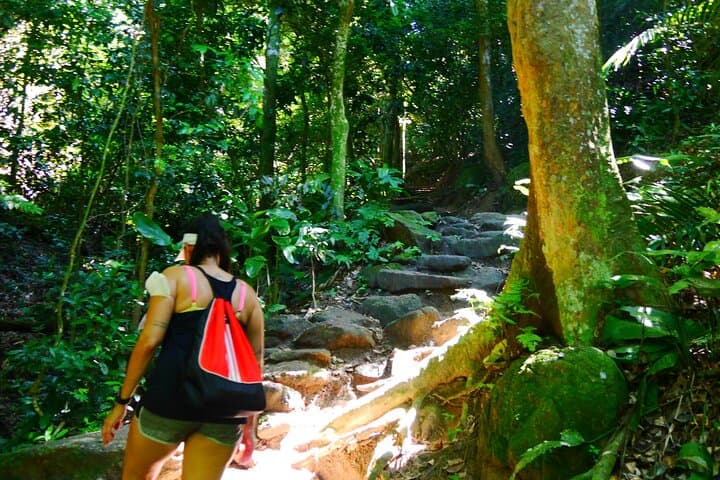
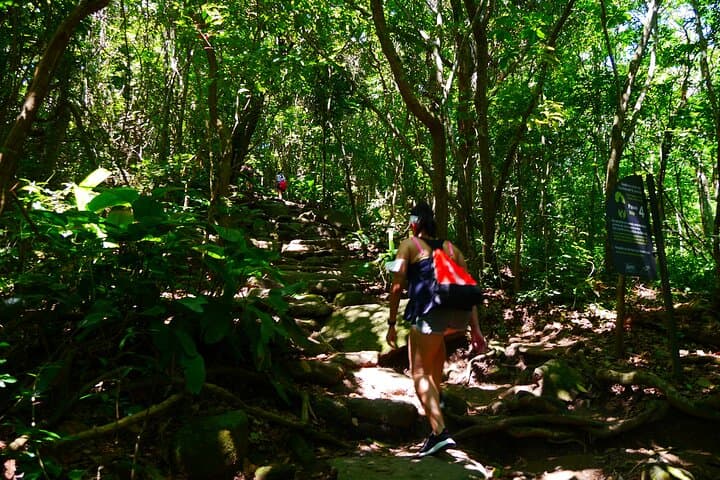
You step out of the bustle of Praia Vermelha and the Atlantic wind immediately takes the lead, pushing you toward a short, steep trail that climbs Morro da Urca. The path threads through stands of native fig and occasional redwood, the stones warming underfoot as the city sound falls away and seabirds call like a loose chorus over Guanabara Bay.
Verified experiences and guided adventures in the surrounding area.
Operated by Rio de Janeiro by Cariocas Travel · Rio de Janeiro, Rio de Janeiro
You step out of the bustle of Praia Vermelha and the Atlantic wind immediately takes the lead, pushing you toward a short, steep trail that climbs Morro da Urca. The path threads through stands of native fig and occasional redwood, the stones warming underfoot as the city sound falls away and seabirds call like a loose chorus over Guanabara Bay.
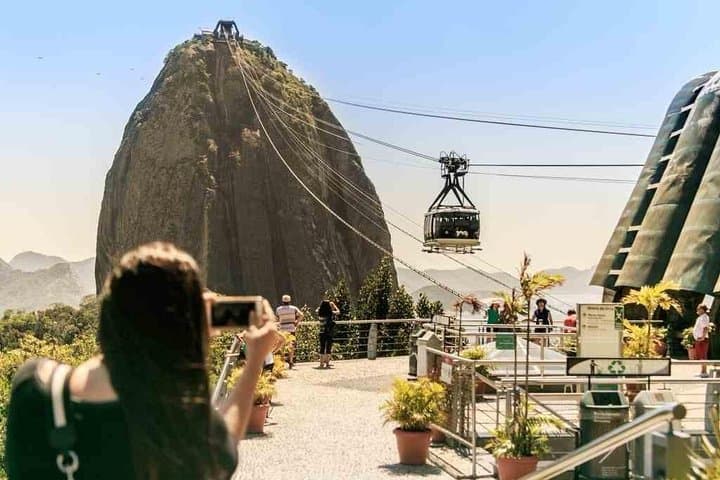
Morro da Urca is the lower neighbor to Pão de Açúcar (Sugarloaf), a granite plug carved by millions of years of erosion — the rock is ancient gneiss and granite, flaked and smoothed where the ocean once pressed close. The area’s history shows in Forte de São João, a colonial fort that guarded the harbor; Urca later became a quiet neighborhood of fishermen and working-class Cariocas. Local culture appears in the ritual of “happy hour”: friends at Mureta da Urca trading snacks and stories with Christ the Redeemer watching from the hills.
Expect roughly 1–1.5 km of trail one way, with about 200–220 m of elevation gain to Morro da Urca — rocky steps, some handrails, and a brief scramble in places. Guides usually include the Sugarloaf cable car ticket to ascend to the higher summit for a full 360° view, then return to the neighborhood for beers, pastel and empada at sunset.
Practical notes: take sturdy shoes, 1 L water, sun protection, and small cash for snacks. The route is moderately paced and best timed late afternoon for cooler temps and the sunset light that sharpens the city lines.
moderate.
4 hours.
Moderate fitness: able to climb uneven steps and handle a continuous 200–220 m ascent without difficulty
Yes; the tour includes the cable car ticket to ascend from Morro da Urca to Sugarloaf summit.
Moderate fitness is required: the trail is short but has continuous elevation and uneven steps — able-bodied walkers should manage well.
Many families and older adults do the route, but those with mobility or heart/spinal issues should avoid it — check with the operator about pace and assistance.
The guide meets at the Sugarloaf Cable Car entrance in Urca for both the start and finish; public transport and taxis are nearby.
The Urca promontory and Forte de São João guarded Guanabara Bay since colonial times; Sugarloaf is a later tourist icon built on much older Precambrian granite.
This section of the Atlantic Forest is fragmented; stay on trails, avoid feeding wildlife, and support local guides who practice Leave No Trace principles.
Rio de Janeiro by Cariocas Travel operates guided outdoor trips and adventures with an emphasis on safety, stewardship, and memorable experiences.
You step out of the bustle of Praia Vermelha and the Atlantic wind immediately takes the lead, pushing you toward a short, steep trail that climbs Morro da Urca. The path threads through stands of native fig and occasional redwood, the stones warming underfoot as the city sound falls away and seabirds call like a loose chorus over Guanabara Bay.
You step out of the bustle of Praia Vermelha and the Atlantic wind immediately takes the lead, pushing you toward a short, steep trail that climbs Morro da Urca. The path threads through stands of native fig and occasional redwood, the stones warming underfoot as the city sound falls away and seabirds call like a loose chorus over Guanabara Bay.
Morro da Urca is the lower neighbor to Pão de Açúcar (Sugarloaf), a granite plug carved by millions of years of erosion — the rock is ancient gneiss and granite, flaked and smoothed where the ocean once pressed close. The area’s history shows in Forte de São João, a colonial fort that guarded the harbor; Urca later became a quiet neighborhood of fishermen and working-class Cariocas. Local culture appears in the ritual of “happy hour”: friends at Mureta da Urca trading snacks and stories with Christ the Redeemer watching from the hills.
Expect roughly 1–1.5 km of trail one way, with about 200–220 m of elevation gain to Morro da Urca — rocky steps, some handrails, and a brief scramble in places. Guides usually include the Sugarloaf cable car ticket to ascend to the higher summit for a full 360° view, then return to the neighborhood for beers, pastel and empada at sunset.
Practical notes: take sturdy shoes, 1 L water, sun protection, and small cash for snacks. The route is moderately paced and best timed late afternoon for cooler temps and the sunset light that sharpens the city lines.