THE ADVENTURE COLLECTIVE® · Independent discovery and booking for outdoor travel

Walk across fresh lava and stand where 2021–2022 eruptions reshaped Meradalir. This private tour from Reykjavík combines geology, dramatic views, and a challenging hike across volcanic terrain.
Walk across fresh lava and stand where 2021–2022 eruptions reshaped Meradalir. This private tour from Reykjavík combines geology, dramatic views, and a challenging hike across volcanic terrain.
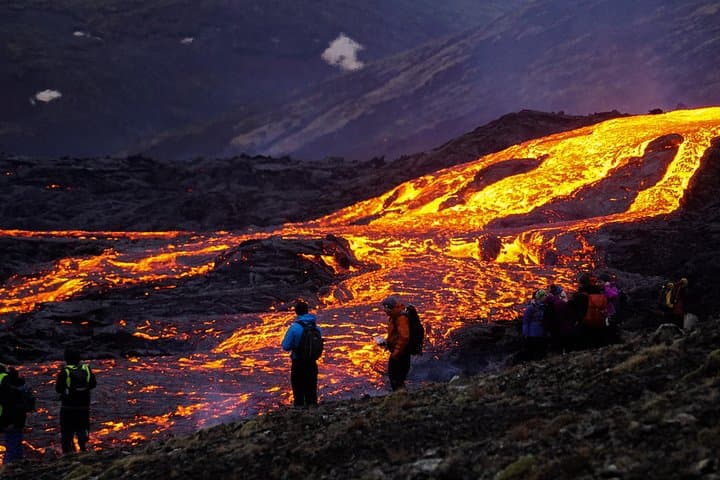
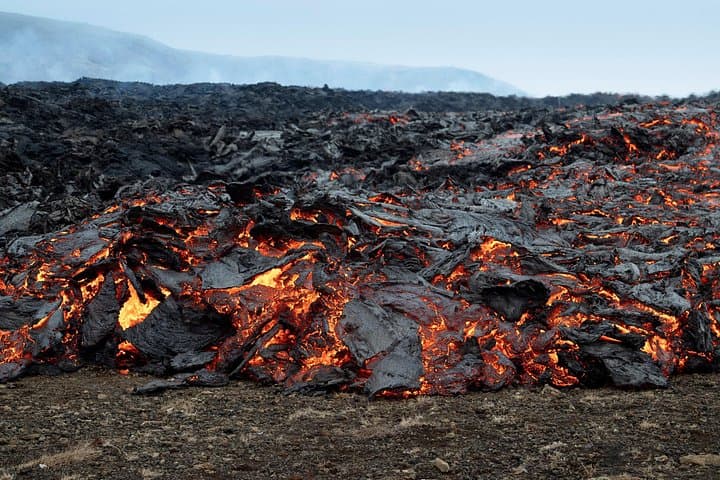
A cold wind carries the scent of sulfur as the trail opens onto a field of glassy black lava.
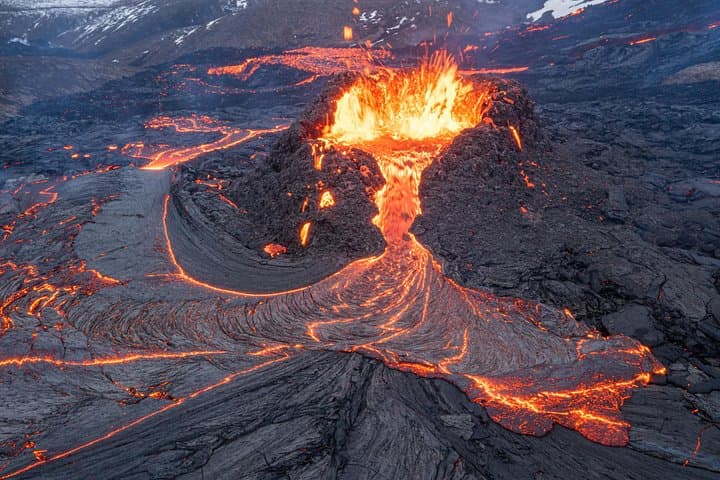
You step from the bus into a landscape that was ocean and village before it became fresh basalt — folds of pahoehoe and jagged ʻaʻā that still hold the memory of heat.
Verified experiences and guided adventures in the surrounding area.
Operated by Family and Friends Travel Iceland · Reykjavík, Capital Region
A cold wind carries the scent of sulfur as the trail opens onto a field of glassy black lava.
You step from the bus into a landscape that was ocean and village before it became fresh basalt — folds of pahoehoe and jagged ʻaʻā that still hold the memory of heat.
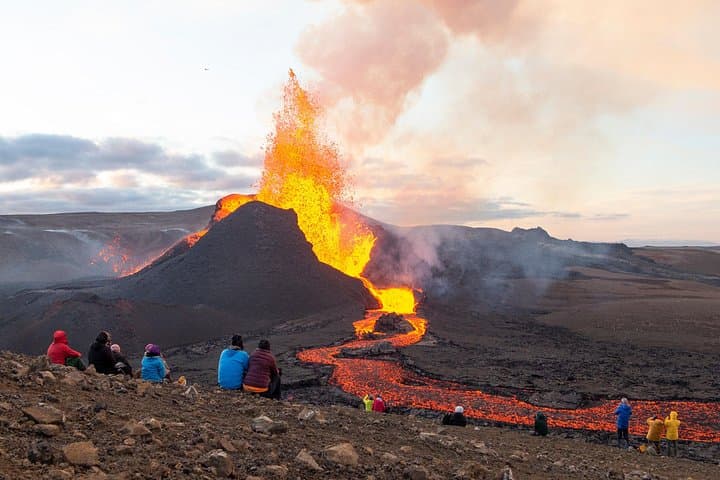
This private mid-morning tour runs from Reykjavík into the Reykjanes Peninsula to the Meradalir and Fagradalsfjall eruption area, where eruptions in 2021–2022 rewrote the valley floor. Geology is on full display: recent lava flows, cooled cinder cones, and moss starting to cling to older flows. The Reykjanes volcanic zone is part of the Mid-Atlantic Ridge; rifts and fissures shape the terrain and explain why new ground appears here with surprising frequency.
Local culture on the peninsula is shaped by fishing and geothermal energy; small coastal towns and Solheimar-style greenhouses sit a short drive away. Guides often point out Keilir, the teardrop-shaped tuya, as a landmark and explain how Icelanders monitor seismic swarms before eruptions.
Expect uneven, loose volcanic rock underfoot and exposed ridgelines that make weather a decisive factor. The full outing can last about seven hours with 6–12 km of hiking depending on conditions — plan sturdy boots, waterproof layers, snacks, and at least 1.5–2 hours one-way on foot. Leave no trace: moss and new lichen are fragile, and routes change with each eruption, so follow guides and marked trails for safety and conservation.
challenging.
7 hours.
Good cardiovascular fitness and experience with uneven, rocky terrain; expect sustained hiking and short steep sections.
Tours run only when conditions meet safety thresholds; guides monitor seismic activity and authorities close areas if risk increases.
Expect 6–12 km total depending on route, with up to 1.5–2 hours each way on rough lava — challenging footing rather than steep climbs.
This operator advises against participation for pregnant travelers and those with serious back or heart issues; children may be allowed but should be capable hikers.
No permits for visitors on public trails, but guided access is recommended; bring standard hiking gear and check weather and guide instructions.
The Reykjanes Peninsula has erupted repeatedly over centuries; the 2021–2022 Fagradalsfjall and Meradalir events were notable for their accessibility to visitors.
Stay on established trails and avoid stepping on moss; newly formed lava and biological crusts are fragile and recover slowly.
Family and Friends Travel Iceland operates guided outdoor trips and adventures with an emphasis on safety, stewardship, and memorable experiences.
A cold wind carries the scent of sulfur as the trail opens onto a field of glassy black lava.
You step from the bus into a landscape that was ocean and village before it became fresh basalt — folds of pahoehoe and jagged ʻaʻā that still hold the memory of heat.
A cold wind carries the scent of sulfur as the trail opens onto a field of glassy black lava.
You step from the bus into a landscape that was ocean and village before it became fresh basalt — folds of pahoehoe and jagged ʻaʻā that still hold the memory of heat.
This private mid-morning tour runs from Reykjavík into the Reykjanes Peninsula to the Meradalir and Fagradalsfjall eruption area, where eruptions in 2021–2022 rewrote the valley floor. Geology is on full display: recent lava flows, cooled cinder cones, and moss starting to cling to older flows. The Reykjanes volcanic zone is part of the Mid-Atlantic Ridge; rifts and fissures shape the terrain and explain why new ground appears here with surprising frequency.
Local culture on the peninsula is shaped by fishing and geothermal energy; small coastal towns and Solheimar-style greenhouses sit a short drive away. Guides often point out Keilir, the teardrop-shaped tuya, as a landmark and explain how Icelanders monitor seismic swarms before eruptions.
Expect uneven, loose volcanic rock underfoot and exposed ridgelines that make weather a decisive factor. The full outing can last about seven hours with 6–12 km of hiking depending on conditions — plan sturdy boots, waterproof layers, snacks, and at least 1.5–2 hours one-way on foot. Leave no trace: moss and new lichen are fragile, and routes change with each eruption, so follow guides and marked trails for safety and conservation.