THE ADVENTURE COLLECTIVE® · Independent discovery and booking for outdoor travel

A single day in Menagesha Suba Forest puts you within earshot of colobus monkeys and Abyssinian woodpeckers while skirting Gefersa Reservoir. This accessible day trip from Addis Ababa pairs wildlife watching, cultural notes and manageable hikes on trails that trace one of Africa’s oldest protected woodlands.
A single day in Menagesha Suba Forest puts you within earshot of colobus monkeys and Abyssinian woodpeckers while skirting Gefersa Reservoir. This accessible day trip from Addis Ababa pairs wildlife watching, cultural notes and manageable hikes on trails that trace one of Africa’s oldest protected woodlands.
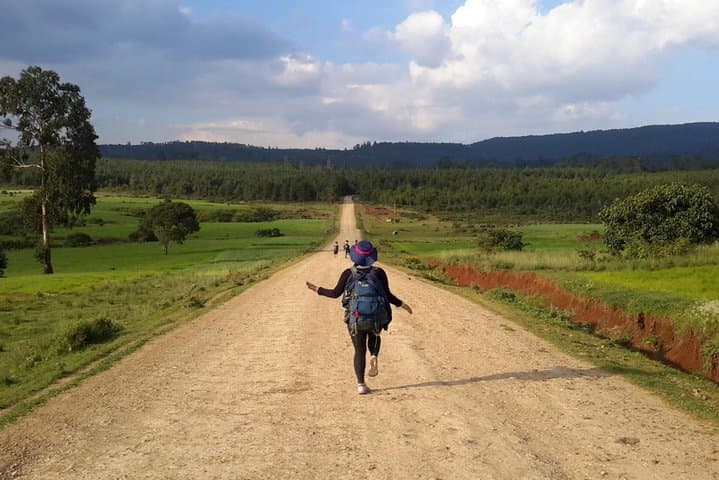
The day begins on the road out of Addis Ababa, the city shrinking behind the vehicle as roosters and roadside vendors give way to a green, breathing ridge. By the time the bus pulls into Menagesha Suba Forest, sunlight filters through tall Afro-montane trees and a hush falls—broken occasionally by the sharp call of an Abyssinian woodpecker or the chatter of colobus monkeys. The forest doesn’t ask for flash; it rewards attention.
Verified experiences and guided adventures in the surrounding area.
Operated by WALK IN ETHIOPIA TOUR AND TRAVEL · Addis Ababa, Oromia
The day begins on the road out of Addis Ababa, the city shrinking behind the vehicle as roosters and roadside vendors give way to a green, breathing ridge. By the time the bus pulls into Menagesha Suba Forest, sunlight filters through tall Afro-montane trees and a hush falls—broken occasionally by the sharp call of an Abyssinian woodpecker or the chatter of colobus monkeys. The forest doesn’t ask for flash; it rewards attention.
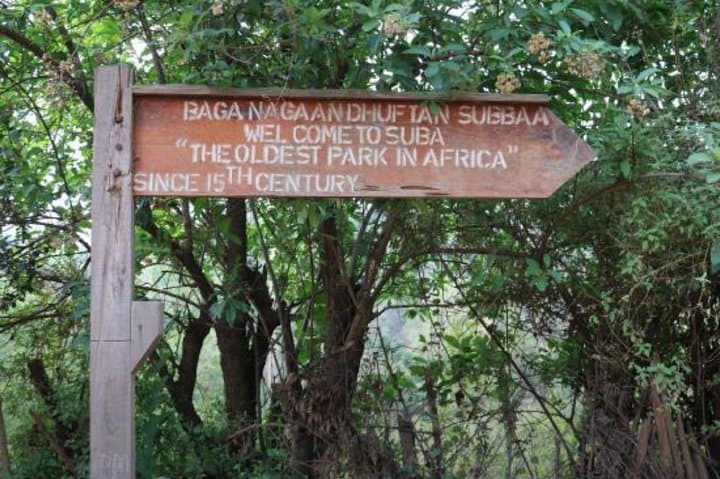
Menagesha Suba is one of Africa’s oldest formally protected woodlands, set aside in the early 20th century during the reign of Emperor Menelik II to secure water and timber for the growing capital. The geology is typical highland plateau: basaltic soils, gentle ridgelines and valleys carved by seasonal streams that feed nearby reservoirs. Those geological bones support a surprising diversity of habitat—patches of native juniper, broadleaf trees mixed with secondary growth and deliberate eucalyptus plantings from later restoration efforts.
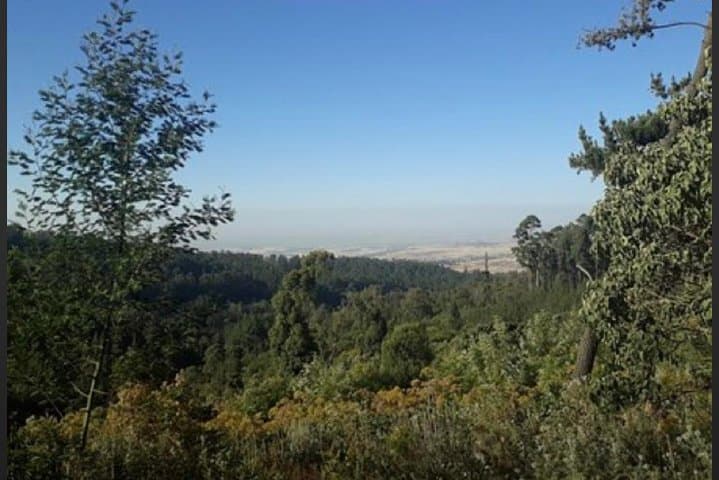
Culturally the forest sits at the crossroads of city and countryside. Local Oromo and Amhara communities have long used the area for grazing, medicine plants and small-scale woodcraft; today guides often point out traditional uses for leaves and roots as they lead visitors along braided trails. Gefersa Reservoir, visible from several lookout points, supplies water to Addis Ababa and serves as a productive birding pocket—Ethiopian oriole sightings are common and seasonal waterfowl gather along calmer edges.
The day-trip itinerary typically includes about six hours in the forest, with guided walks along uneven, sometimes rocky trails. Expect wildlife encounters rather than guaranteed sightings: a troop of colobus may drop through canopy lanes, or a lone Menelik’s bushbuck may freeze at the understory’s edge. The pace suits walkers of most abilities, but time in shade and sun alternates quickly; layers are useful.
Practicalities matter: the tour runs about ten hours with pickup in Addis Ababa, an included lunch and bottled water, and returns in the evening. Trails range from short circuits to longer ridge traverses—plan on 6–8 km of hiking and roughly 200–400 meters of cumulative elevation gain depending on route choice. The best light for photography and birding is early morning and late afternoon when the forest loosens its midday heat.
Conservation is a running theme—visitors are encouraged to stay on trail, pack out waste and support local guides so revenue benefits surrounding villages. For travelers seeking a close-to-city wilderness day that balances easy access with real forest immersion, Menagesha Suba delivers a compact, biodiverse experience that feels quietly wild rather than edited for tourists.
moderate.
10 hours.
Suitable for people who can walk 6–8 km over uneven terrain and tolerate periods of standing while wildlife is observed.
The full experience is about 10 hours, including pickup from Addis Ababa, transit time and roughly six hours exploring Menagesha Suba Forest.
Routes are considered moderate—uneven terrain and some uphill sections, but suitable for most people with basic fitness.
Guides know local hotspots for colobus monkeys, Menelik’s bushbuck and endemic birds, but sightings depend on time of day and season.
Yes—lunch and bottled water are included in the tour price.
Yes—the tour offers pickup across Addis Ababa and at the airport if arranged in advance.
Basic facilities are available at trailheads or picnic spots; expect rustic conditions compared with urban standards.
Designated as a forest reserve during the early 20th century under Imperial authority to protect water and timber resources for the capital.
Ongoing restoration and community-based programs aim to reduce grazing pressure and restore native tree species; visitors are asked to stick to trails and avoid single-use plastics.
WALK IN ETHIOPIA TOUR AND TRAVEL operates guided outdoor trips and adventures with an emphasis on safety, stewardship, and memorable experiences.

The day begins on the road out of Addis Ababa, the city shrinking behind the vehicle as roosters and roadside vendors give way to a green, breathing ridge. By the time the bus pulls into Menagesha Suba Forest, sunlight filters through tall Afro-montane trees and a hush falls—broken occasionally by the sharp call of an Abyssinian woodpecker or the chatter of colobus monkeys. The forest doesn’t ask for flash; it rewards attention.
The day begins on the road out of Addis Ababa, the city shrinking behind the vehicle as roosters and roadside vendors give way to a green, breathing ridge. By the time the bus pulls into Menagesha Suba Forest, sunlight filters through tall Afro-montane trees and a hush falls—broken occasionally by the sharp call of an Abyssinian woodpecker or the chatter of colobus monkeys. The forest doesn’t ask for flash; it rewards attention.
Menagesha Suba is one of Africa’s oldest formally protected woodlands, set aside in the early 20th century during the reign of Emperor Menelik II to secure water and timber for the growing capital. The geology is typical highland plateau: basaltic soils, gentle ridgelines and valleys carved by seasonal streams that feed nearby reservoirs. Those geological bones support a surprising diversity of habitat—patches of native juniper, broadleaf trees mixed with secondary growth and deliberate eucalyptus plantings from later restoration efforts.
Culturally the forest sits at the crossroads of city and countryside. Local Oromo and Amhara communities have long used the area for grazing, medicine plants and small-scale woodcraft; today guides often point out traditional uses for leaves and roots as they lead visitors along braided trails. Gefersa Reservoir, visible from several lookout points, supplies water to Addis Ababa and serves as a productive birding pocket—Ethiopian oriole sightings are common and seasonal waterfowl gather along calmer edges.
The day-trip itinerary typically includes about six hours in the forest, with guided walks along uneven, sometimes rocky trails. Expect wildlife encounters rather than guaranteed sightings: a troop of colobus may drop through canopy lanes, or a lone Menelik’s bushbuck may freeze at the understory’s edge. The pace suits walkers of most abilities, but time in shade and sun alternates quickly; layers are useful.
Practicalities matter: the tour runs about ten hours with pickup in Addis Ababa, an included lunch and bottled water, and returns in the evening. Trails range from short circuits to longer ridge traverses—plan on 6–8 km of hiking and roughly 200–400 meters of cumulative elevation gain depending on route choice. The best light for photography and birding is early morning and late afternoon when the forest loosens its midday heat.
Conservation is a running theme—visitors are encouraged to stay on trail, pack out waste and support local guides so revenue benefits surrounding villages. For travelers seeking a close-to-city wilderness day that balances easy access with real forest immersion, Menagesha Suba delivers a compact, biodiverse experience that feels quietly wild rather than edited for tourists.