THE ADVENTURE COLLECTIVE® · Independent discovery and booking for outdoor travel

Follow the Lousios River through a narrow limestone canyon to cliff‑hanging Byzantine monasteries and the ruins of Ancient Gortys. This four‑hour guided hike blends rugged trail, local flavors and deep history in the Menalon range.
Follow the Lousios River through a narrow limestone canyon to cliff‑hanging Byzantine monasteries and the ruins of Ancient Gortys. This four‑hour guided hike blends rugged trail, local flavors and deep history in the Menalon range.
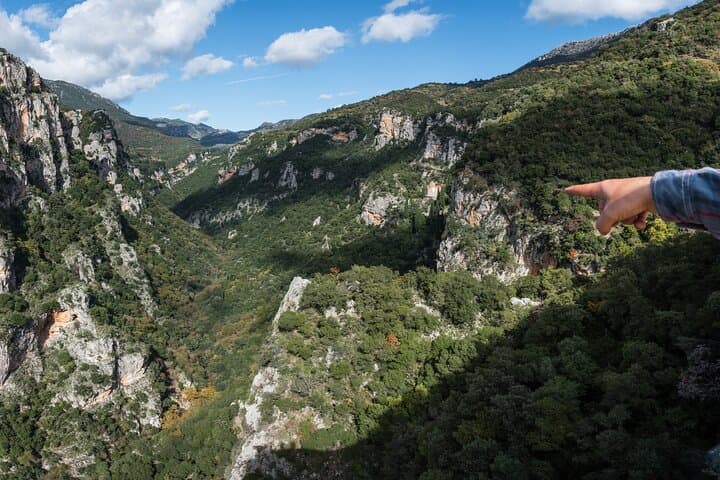
A cool wind threads the canyon as the Lousios River threads the rock, daring hikers to follow its route through one of the Peloponnese’s most dramatic gorges. Guides assemble at the modern Philosophou Monastery; stone steps, shaded pines and the distant ringing of church bells mark the start of a four‑hour route that moves from forested terraces into sheer, limestone walls.
Verified experiences and guided adventures in the surrounding area.
Operated by Explore Messinia · Dimitsana, Arcadia
A cool wind threads the canyon as the Lousios River threads the rock, daring hikers to follow its route through one of the Peloponnese’s most dramatic gorges. Guides assemble at the modern Philosophou Monastery; stone steps, shaded pines and the distant ringing of church bells mark the start of a four‑hour route that moves from forested terraces into sheer, limestone walls.
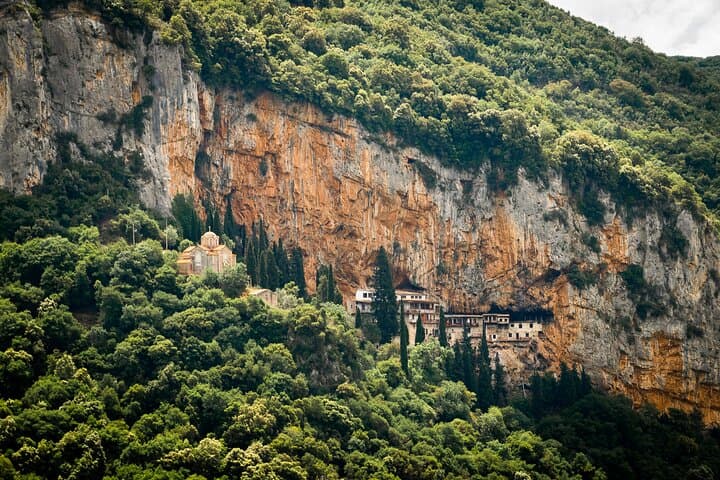
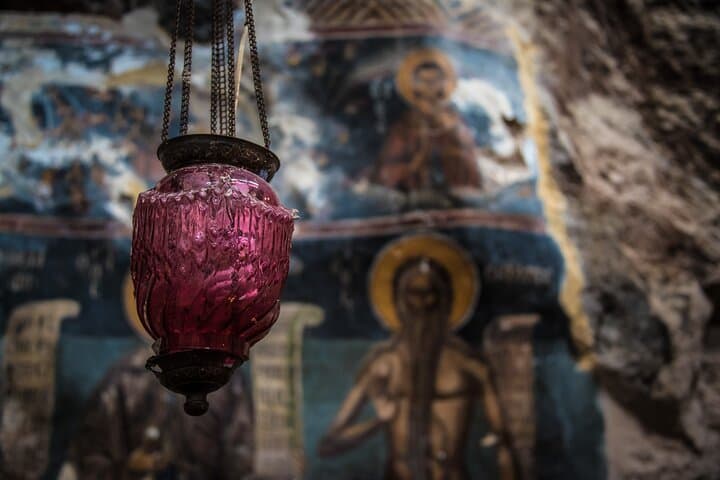
The gorge is both geological knife and cultural archive — a narrow canyon carved by millennia of river work, with marble outcrops and terraces that channeled water for ancient mills. Byzantine monasteries cling to ledges here: Philosophou (10th century) and the cliffside Prodromou (16th century) are living relics of Orthodox monastic life and regional resistance during Ottoman rule. Downriver lies Ancient Gortys, linked in myth to Asclepius, where stone ruins meet the current.
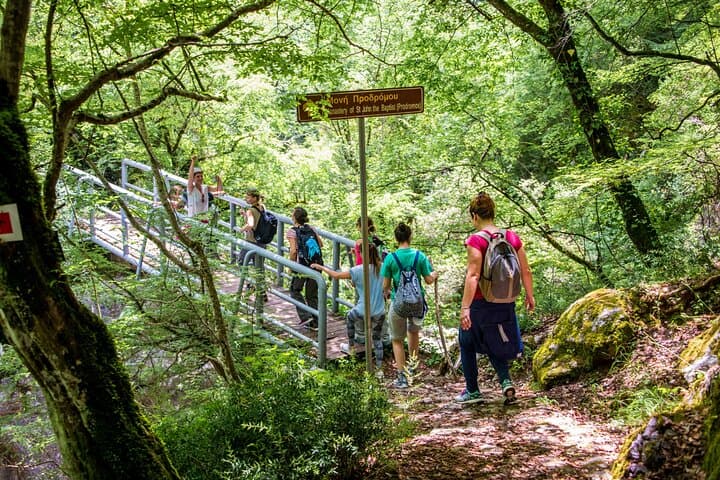
Expect stony singletrack, short scrambles, and occasional river crossings; springs and ruined watermills offer welcome shade. The river seems to pull you forward, and midway the group pauses for a picnic of local cheeses, bread and olives.
Practical notes: this moderate hike covers uneven terrain for roughly four hours and demands good trail shoes, a daypack, water and steady footing. Start early in summer to avoid heat; in spring the canyon is lush and the river runs high. Follow the guide, respect monastery rules (modest dress inside), and leave no trace — the gorge combines fragile habitats with irreplaceable cultural sites. A foot dip in the cold Lousios at the end is a local ritual and a simple way to close the day.
moderate.
4 hours.
Comfortable on sustained uphill/downhill walking and uneven terrain; moderate cardiovascular fitness recommended
The guided route lasts about four hours and is rated moderate: expect uneven, rocky trails with some short scrambles and elevation changes.
Yes — the itinerary includes stops at the Philosophou and Prodromou monasteries; modest dress is requested inside religious sites.
Many guests dip their feet at the end of the hike; swimming depends on seasonal water levels — always follow your guide's advice for safety.
This hike typically meets at the Philosophou monastery; check the booking link for pickup options or directions from Dimitsana and Stemnitsa.
Lousios Gorge hosts Byzantine monasteries dating from the 10th–16th centuries and the ruins of Ancient Gortys, historically linked to Asclepius and ancient healing cults.
The gorge contains sensitive riparian habitats and archaeological sites; visitors should stay on trails, avoid bathing near fragile springs, and carry out all waste to protect flora and ruins.
Explore Messinia operates guided outdoor trips and adventures with an emphasis on safety, stewardship, and memorable experiences.
A cool wind threads the canyon as the Lousios River threads the rock, daring hikers to follow its route through one of the Peloponnese’s most dramatic gorges. Guides assemble at the modern Philosophou Monastery; stone steps, shaded pines and the distant ringing of church bells mark the start of a four‑hour route that moves from forested terraces into sheer, limestone walls.
A cool wind threads the canyon as the Lousios River threads the rock, daring hikers to follow its route through one of the Peloponnese’s most dramatic gorges. Guides assemble at the modern Philosophou Monastery; stone steps, shaded pines and the distant ringing of church bells mark the start of a four‑hour route that moves from forested terraces into sheer, limestone walls.
The gorge is both geological knife and cultural archive — a narrow canyon carved by millennia of river work, with marble outcrops and terraces that channeled water for ancient mills. Byzantine monasteries cling to ledges here: Philosophou (10th century) and the cliffside Prodromou (16th century) are living relics of Orthodox monastic life and regional resistance during Ottoman rule. Downriver lies Ancient Gortys, linked in myth to Asclepius, where stone ruins meet the current.
Expect stony singletrack, short scrambles, and occasional river crossings; springs and ruined watermills offer welcome shade. The river seems to pull you forward, and midway the group pauses for a picnic of local cheeses, bread and olives.
Practical notes: this moderate hike covers uneven terrain for roughly four hours and demands good trail shoes, a daypack, water and steady footing. Start early in summer to avoid heat; in spring the canyon is lush and the river runs high. Follow the guide, respect monastery rules (modest dress inside), and leave no trace — the gorge combines fragile habitats with irreplaceable cultural sites. A foot dip in the cold Lousios at the end is a local ritual and a simple way to close the day.