THE ADVENTURE COLLECTIVE® · Independent discovery and booking for outdoor travel

Walk seven kilometres across Los Volcanes in a guided three-hour tour that brings Lanzarote’s 18th- and 19th-century eruptions to life. Expect rough basalt underfoot, wide volcanic views, and a knowledgeable guide explaining the island’s geology and slow-returning vegetation.
Walk seven kilometres across Los Volcanes in a guided three-hour tour that brings Lanzarote’s 18th- and 19th-century eruptions to life. Expect rough basalt underfoot, wide volcanic views, and a knowledgeable guide explaining the island’s geology and slow-returning vegetation.
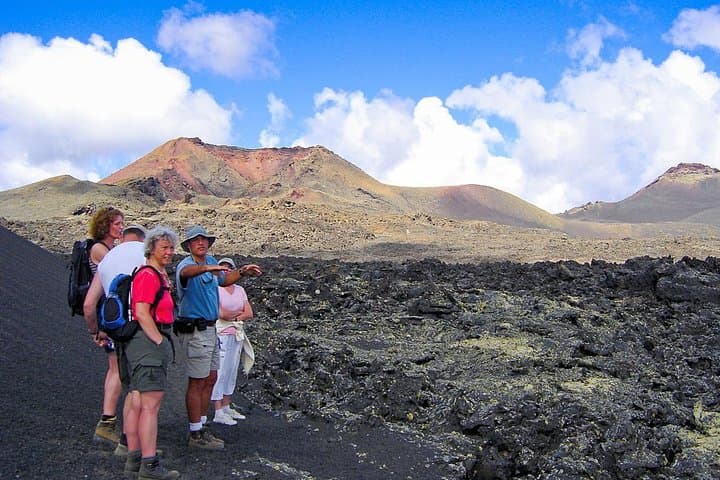
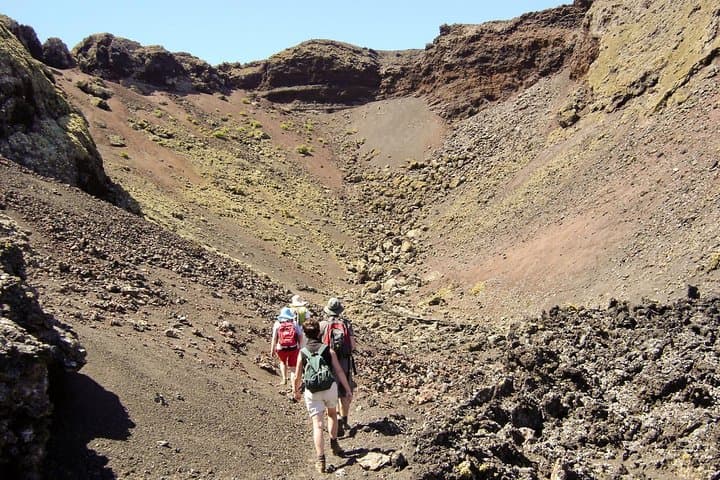
You step onto blackened ground and the island answers with a dry, warm breath—the volcanic plain stretches in low waves, broken by cones and crater rims that hold the light like hammered metal.
Verified experiences and guided adventures in the surrounding area.
Operated by VIMOTIONS · Yaiza, Las Palmas
You step onto blackened ground and the island answers with a dry, warm breath—the volcanic plain stretches in low waves, broken by cones and crater rims that hold the light like hammered metal.
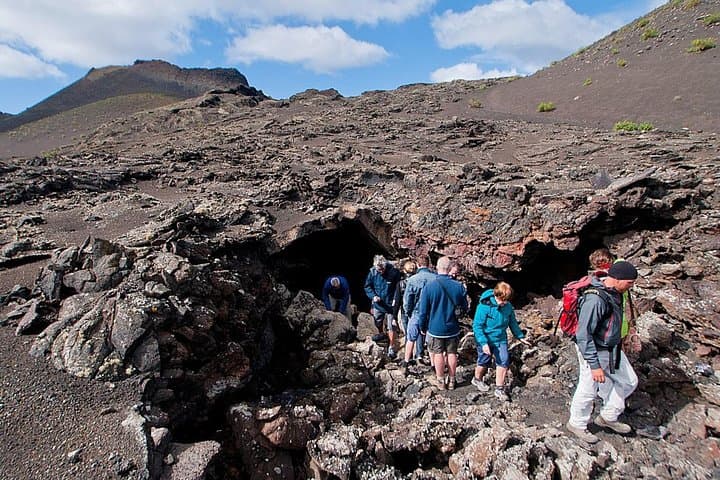
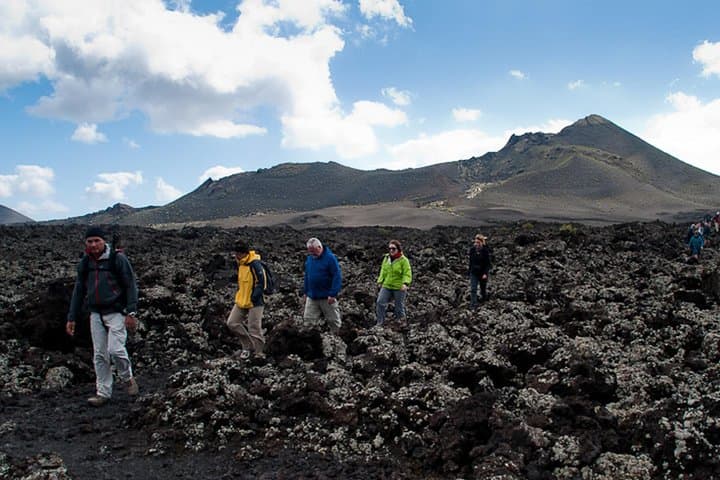
This three-hour route threads about 7 kilometres across Los Volcanes, a protected reserve shaped by the great eruptions of 1730–36 and 1824. Under an expert guide you’ll cross cooled lava flows, walk along the flanks of small cones and peer into collapsed lava tubes. The terrain is rough and sharp where basalt grips your soles; sparse, slow-growing plants mark the slow return of life where ash once poured.
Geology here reads like a field manual: pahoehoe and ʻaʻā textures alternate, scoria cones rise from layered tephra, and wind polishes exposed rock faces. Culturally, Lanzarote’s people adapted farming and architecture to the island’s arid, volcanic conditions—look for low stone walls and pocket gardens nearby.
Practical guidance: the tour lasts roughly three hours and covers uneven volcanic rock—lace-up hiking shoes or light boots are essential. Bring 1–2 litres of water, sun protection and layered clothing for coastal winds. Tours commonly meet near Parking Testeina (LZ-30) mid-morning; transfers are often provided from main tourist hubs. Listen to your guide when routes cross fragile biological crusts—those dark plains are both scene and slow-working laboratory of regrowth.
This walk is approachable for regular walkers who can sustain moderate effort for three hours, and it’s one of the clearest, most immediate ways to read Lanzarote’s volcanic story under an informed voice.
easy.
3 hours.
Suitable for walkers with moderate fitness who can manage uneven ground for three hours.
The tour is about three hours long and covers roughly 7 kilometres across volcanic terrain.
The route is low in technical difficulty but requires steady footing; children and older adults should be comfortable on uneven, rocky surfaces for several hours.
Trekking poles are included by the operator on this tour and can help with balance on uneven lava rock; they’re recommended but not mandatory.
Shade is minimal on the volcanic plain and restroom facilities are limited—plan accordingly and use facilities at the meeting point if available.
The landscape preserves the record of major eruptions in 1730–36 and 1824; human settlements and farming adapted around these events, visible in roadside walls and cultivated pockets.
The park’s arid conditions slow plant recovery—stay on marked routes to protect cryptobiotic soils and fragile pioneer vegetation; local guides enforce low-impact practices.
VIMOTIONS operates guided outdoor trips and adventures with an emphasis on safety, stewardship, and memorable experiences.
You step onto blackened ground and the island answers with a dry, warm breath—the volcanic plain stretches in low waves, broken by cones and crater rims that hold the light like hammered metal.
You step onto blackened ground and the island answers with a dry, warm breath—the volcanic plain stretches in low waves, broken by cones and crater rims that hold the light like hammered metal.
This three-hour route threads about 7 kilometres across Los Volcanes, a protected reserve shaped by the great eruptions of 1730–36 and 1824. Under an expert guide you’ll cross cooled lava flows, walk along the flanks of small cones and peer into collapsed lava tubes. The terrain is rough and sharp where basalt grips your soles; sparse, slow-growing plants mark the slow return of life where ash once poured.
Geology here reads like a field manual: pahoehoe and ʻaʻā textures alternate, scoria cones rise from layered tephra, and wind polishes exposed rock faces. Culturally, Lanzarote’s people adapted farming and architecture to the island’s arid, volcanic conditions—look for low stone walls and pocket gardens nearby.
Practical guidance: the tour lasts roughly three hours and covers uneven volcanic rock—lace-up hiking shoes or light boots are essential. Bring 1–2 litres of water, sun protection and layered clothing for coastal winds. Tours commonly meet near Parking Testeina (LZ-30) mid-morning; transfers are often provided from main tourist hubs. Listen to your guide when routes cross fragile biological crusts—those dark plains are both scene and slow-working laboratory of regrowth.
This walk is approachable for regular walkers who can sustain moderate effort for three hours, and it’s one of the clearest, most immediate ways to read Lanzarote’s volcanic story under an informed voice.