THE ADVENTURE COLLECTIVE® · Independent discovery and booking for outdoor travel

Climb 1,048 historic railway steps to Koko Head’s summit with a local guide and earn sweeping views of Hanauma Bay, Diamond Head, and Oahu’s eastern coastline. This short but steep trail is a high-intensity island classic—perfect for hikers with good cardio looking for a photo-ready payoff.
Climb 1,048 historic railway steps to Koko Head’s summit with a local guide and earn sweeping views of Hanauma Bay, Diamond Head, and Oahu’s eastern coastline. This short but steep trail is a high-intensity island classic—perfect for hikers with good cardio looking for a photo-ready payoff.
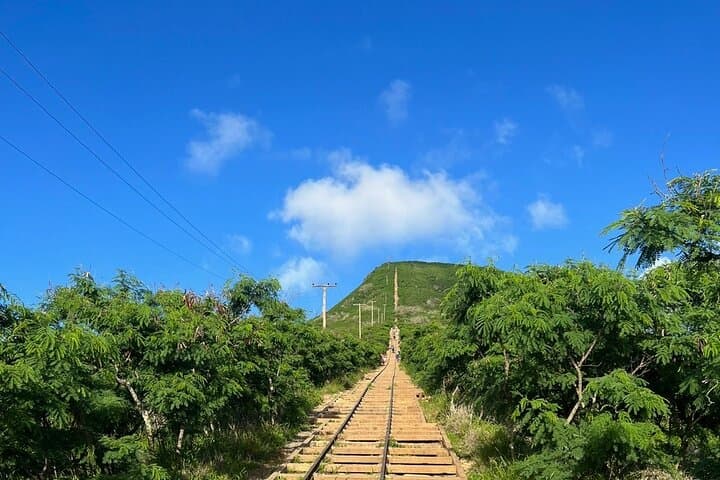
You hit the first step and your lungs remind you why this isn’t a promenade. The railway ties rise in a relentless ladder, one after another, 1,048 pieces of weathered wood and concrete that force a steady rhythm in your stride. Ms. Hawaii — equal parts coach and island storyteller — keeps pace beside you, offering bite-sized history between sips of water and encouragement that nudges you past the temptation to stop.
Verified experiences and guided adventures in the surrounding area.
Operated by Nicole M · Honolulu, Hawaii
You hit the first step and your lungs remind you why this isn’t a promenade. The railway ties rise in a relentless ladder, one after another, 1,048 pieces of weathered wood and concrete that force a steady rhythm in your stride. Ms. Hawaii — equal parts coach and island storyteller — keeps pace beside you, offering bite-sized history between sips of water and encouragement that nudges you past the temptation to stop.
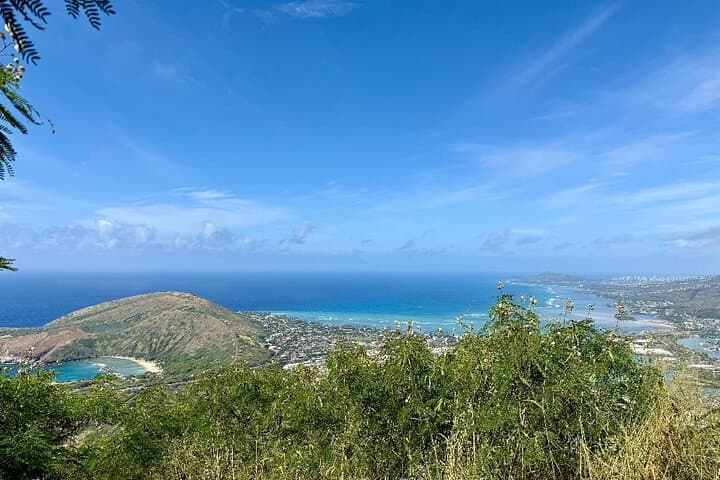
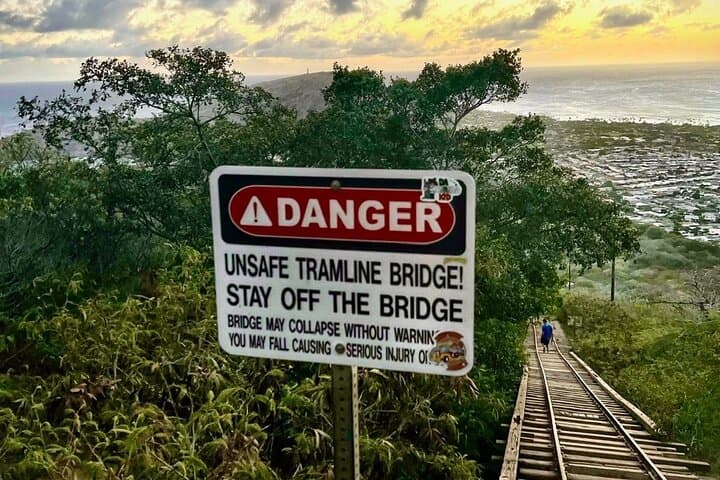
By the time the ocean spreads into the horizon and Hanauma Bay glitters like a shell, the climb has altered how you see Oahu: the island’s east-facing coastline lays out in a clean sweep, Diamond Head a distant tooth, the city of Honolulu shrinking back toward Waikiki. The view is earned — and a little brutal. The Koko Crater Railway Trail is short in distance but steep in intent: roughly 1 mile round-trip, about 1,048 steps, and an elevation gain in the neighborhood of 200–210 meters (≈650–700 ft). The surface is the remnant of a military-era tramway, so expect irregular sleepers, exposed rebar, and a few crumbling ties.
Geology and history are stitched into the route. Koko Head is a tuff cone from the late-stage eruptions of the Honolulu Volcanics; the crater’s blasted, ash-formed walls contrast with the coral reefs below. The railway itself dates to mid-20th-century projects that used the tram to haul materials up the steep eastern flank — today those rails are the workout equipment of choice for locals and visitors chasing a quick, intense climb.
Culturally, the hike sits in Hawaii Kai territory, a short drive from Waikiki and often guided by locals who pair exertion with island knowledge — bird calls, native plants, and the best local plate-lunch stop after the descent. Guides like Ms. Hawaii add to the experience: they manage pace, photograph summit moments, and provide the kind of route intel maps don’t capture.
Practicalities matter here. There’s little shade and no services on trail: plan for high sun exposure, bring at least 1–2 liters of water, and use grippy trail shoes — polished sneakers will feel like a liability on the steeper sections. Early morning cools the ascent and avoids the heat of midday; sunset runs are spectacular but require a headlamp and care on the way down. If you have back, neck, or cardiovascular concerns, choose a lower-gradient alternative — this one is unforgiving.
Logistics are straightforward when booking a guided trip: many operators pick up from Waikiki, include bottled water, and offer a private transfer back to town. Treat the climb as a short, intense workout: walk strong, breathe measured, and spare a few minutes at the top to let the Pacific push you toward the next line on your Oahu itinerary.
challenging.
2–4 hours.
Requires strong cardiovascular fitness and stair-climbing experience; expect sustained effort and recovery time afterward.
The trail is essentially a long flight of 1,048 railway steps with an elevation gain around 200–210 meters (≈650–700 ft); steep and continuous rather than long.
Not ideal for complete beginners or those with cardiovascular, back, or knee issues—its short distance belies sustained intensity.
Dogs are generally not recommended due to steep, exposed sections; check local regulations and the tour operator’s policy.
Yes—sunset offers dramatic views but plan for lower visibility on the descent and bring a headlamp and extra caution.
No; there are no facilities or reliable shade on the climb—use sunscreen and carry water and tissues.
Many guided tours include pickup from Waikiki; independent travelers can drive about 20–30 minutes east along Kalanianaole Highway and park near the trail access.
The rail ties follow a defunct mid-20th-century tramway used to move materials up the crater’s flank; the crater itself is part of the Honolulu Volcanics, shaped by explosive eruptions.
Stay on the established steps to avoid erosion; carry out all waste and avoid trampling native plants on the crater rim.
Nicole M operates guided outdoor trips and adventures with an emphasis on safety, stewardship, and memorable experiences.

You hit the first step and your lungs remind you why this isn’t a promenade. The railway ties rise in a relentless ladder, one after another, 1,048 pieces of weathered wood and concrete that force a steady rhythm in your stride. Ms. Hawaii — equal parts coach and island storyteller — keeps pace beside you, offering bite-sized history between sips of water and encouragement that nudges you past the temptation to stop.
You hit the first step and your lungs remind you why this isn’t a promenade. The railway ties rise in a relentless ladder, one after another, 1,048 pieces of weathered wood and concrete that force a steady rhythm in your stride. Ms. Hawaii — equal parts coach and island storyteller — keeps pace beside you, offering bite-sized history between sips of water and encouragement that nudges you past the temptation to stop.
By the time the ocean spreads into the horizon and Hanauma Bay glitters like a shell, the climb has altered how you see Oahu: the island’s east-facing coastline lays out in a clean sweep, Diamond Head a distant tooth, the city of Honolulu shrinking back toward Waikiki. The view is earned — and a little brutal. The Koko Crater Railway Trail is short in distance but steep in intent: roughly 1 mile round-trip, about 1,048 steps, and an elevation gain in the neighborhood of 200–210 meters (≈650–700 ft). The surface is the remnant of a military-era tramway, so expect irregular sleepers, exposed rebar, and a few crumbling ties.
Geology and history are stitched into the route. Koko Head is a tuff cone from the late-stage eruptions of the Honolulu Volcanics; the crater’s blasted, ash-formed walls contrast with the coral reefs below. The railway itself dates to mid-20th-century projects that used the tram to haul materials up the steep eastern flank — today those rails are the workout equipment of choice for locals and visitors chasing a quick, intense climb.
Culturally, the hike sits in Hawaii Kai territory, a short drive from Waikiki and often guided by locals who pair exertion with island knowledge — bird calls, native plants, and the best local plate-lunch stop after the descent. Guides like Ms. Hawaii add to the experience: they manage pace, photograph summit moments, and provide the kind of route intel maps don’t capture.
Practicalities matter here. There’s little shade and no services on trail: plan for high sun exposure, bring at least 1–2 liters of water, and use grippy trail shoes — polished sneakers will feel like a liability on the steeper sections. Early morning cools the ascent and avoids the heat of midday; sunset runs are spectacular but require a headlamp and care on the way down. If you have back, neck, or cardiovascular concerns, choose a lower-gradient alternative — this one is unforgiving.
Logistics are straightforward when booking a guided trip: many operators pick up from Waikiki, include bottled water, and offer a private transfer back to town. Treat the climb as a short, intense workout: walk strong, breathe measured, and spare a few minutes at the top to let the Pacific push you toward the next line on your Oahu itinerary.