THE ADVENTURE COLLECTIVE® · Independent discovery and booking for outdoor travel

Spend a day hiking the largely original Ming-era Jinshanling Great Wall, then wander the lakes and imperial gardens of Chengde’s Summer Resort. This private transfer pairs rugged wall walking with Qing-dynasty palace calm — all within a day from Beijing.
Spend a day hiking the largely original Ming-era Jinshanling Great Wall, then wander the lakes and imperial gardens of Chengde’s Summer Resort. This private transfer pairs rugged wall walking with Qing-dynasty palace calm — all within a day from Beijing.
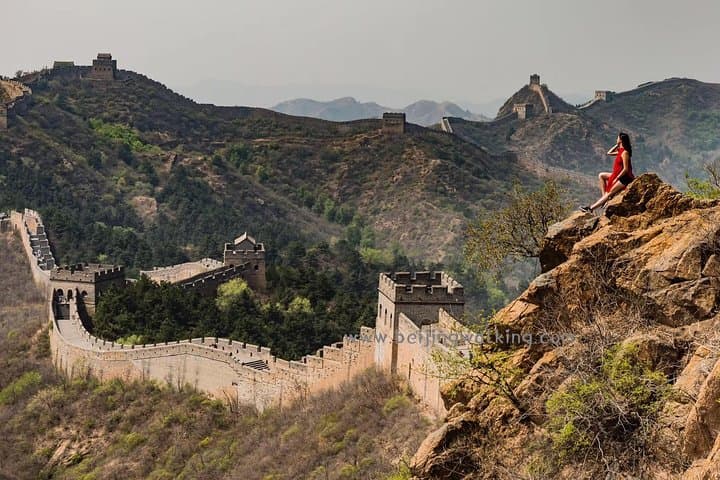
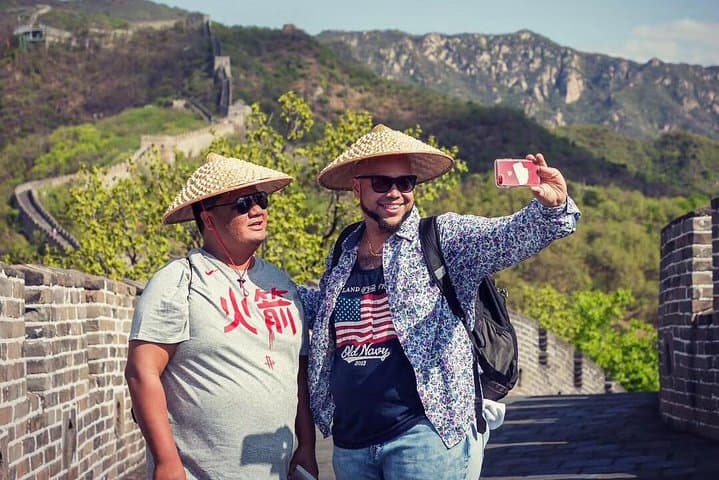
A cool morning light slices across the windshield as the driver pulls away from Beijing’s ring roads; the city’s glass and concrete give way to pines, farmland and the rising profile of the Ming-era ramparts. Your first stop is Jinshanling, a stretch of Great Wall that still shows the raw geometry of watchtowers, crenellations and steep stone stairways — an outdoor museum that dares you to walk its spine.
Verified experiences and guided adventures in the surrounding area.
Operated by Beijing Driver Guide Service · Chengde, Hebei
A cool morning light slices across the windshield as the driver pulls away from Beijing’s ring roads; the city’s glass and concrete give way to pines, farmland and the rising profile of the Ming-era ramparts. Your first stop is Jinshanling, a stretch of Great Wall that still shows the raw geometry of watchtowers, crenellations and steep stone stairways — an outdoor museum that dares you to walk its spine.
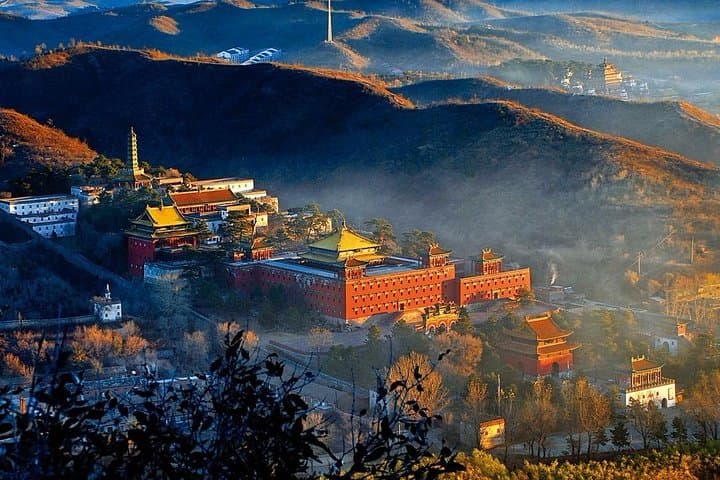
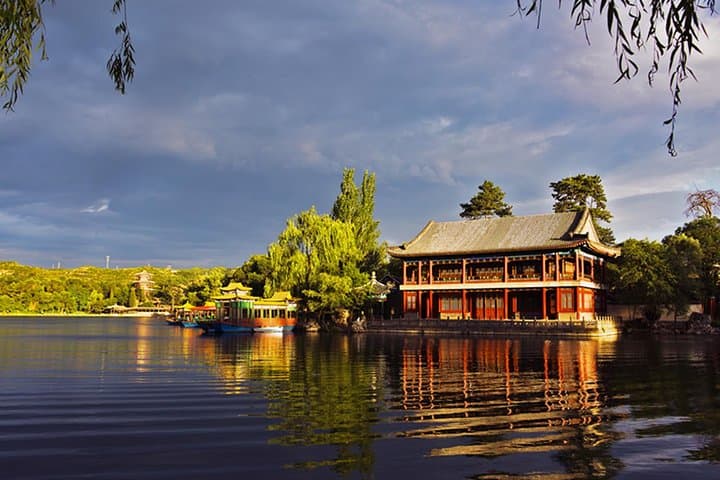
Built and rebuilt during the Ming dynasty, Jinshanling retains original masonry, signal towers and long runs between restored sections. Later defensive upgrades by generals like Xu Da and Qi Jiguang left visible fingerprints: angled battlements and artillery platforms optimized for northern approaches. After the hike, the road turns northeast toward Chengde, where the Qing emperors’ Mountain Resort spreads across lakes, forest and palace courtyards — a different mood of intentional calm and imperial landscaping.
Expect roughly 1.5–2 hours of hiking on uneven stone with short steep pitches and exposed tower sections; total trip time from Beijing is a full day (return mid- to late-afternoon). Plan for changing temperatures, water, and sun protection; local restaurants along the route offer simple, hearty lunches if you ask the driver to stop.
Practical: bring a passport for checkpoints, wear grippy walking shoes, and keep a portable battery for translation calls. This is a pragmatic historic adventure — sections demand attention on the feet but reward you with long stretches of solitude and skyline views where the wall folds over the ridgeline like an ancient line on the land.
moderate.
8–10 hours.
Suitable for travelers who can manage 1–2 hours of uphill/downhill walking on uneven stone; basic stamina required for repetitive stair climbing.
Most groups spend about 1.5 hours hiking along Jinshanling’s core section—enough to walk between several towers and take photos; you can extend or shorten time by arrangement.
Yes—terrain is uneven but not technical; parents should supervise kids on towers and older travelers should be steady on stairs and consider a shorter walking window.
English-speaking drivers are available for small groups but not guaranteed; the operator provides a translator phone number if the driver speaks only Chinese.
Bottled water and private transport are included; lunch is not prearranged but drivers will stop at local restaurants if you request a meal en route.
Jinshanling preserves Ming dynasty masonry and later 16th-century defensive upgrades; Chengde Summer Resort served Qing emperors as a mountain retreat and administrative center.
Both sites are protected—follow paths, avoid carving stone, and use established parking and entry points to limit erosion and cultural impact.
Beijing Driver Guide Service operates guided outdoor trips and adventures with an emphasis on safety, stewardship, and memorable experiences.
A cool morning light slices across the windshield as the driver pulls away from Beijing’s ring roads; the city’s glass and concrete give way to pines, farmland and the rising profile of the Ming-era ramparts. Your first stop is Jinshanling, a stretch of Great Wall that still shows the raw geometry of watchtowers, crenellations and steep stone stairways — an outdoor museum that dares you to walk its spine.
A cool morning light slices across the windshield as the driver pulls away from Beijing’s ring roads; the city’s glass and concrete give way to pines, farmland and the rising profile of the Ming-era ramparts. Your first stop is Jinshanling, a stretch of Great Wall that still shows the raw geometry of watchtowers, crenellations and steep stone stairways — an outdoor museum that dares you to walk its spine.
Built and rebuilt during the Ming dynasty, Jinshanling retains original masonry, signal towers and long runs between restored sections. Later defensive upgrades by generals like Xu Da and Qi Jiguang left visible fingerprints: angled battlements and artillery platforms optimized for northern approaches. After the hike, the road turns northeast toward Chengde, where the Qing emperors’ Mountain Resort spreads across lakes, forest and palace courtyards — a different mood of intentional calm and imperial landscaping.
Expect roughly 1.5–2 hours of hiking on uneven stone with short steep pitches and exposed tower sections; total trip time from Beijing is a full day (return mid- to late-afternoon). Plan for changing temperatures, water, and sun protection; local restaurants along the route offer simple, hearty lunches if you ask the driver to stop.
Practical: bring a passport for checkpoints, wear grippy walking shoes, and keep a portable battery for translation calls. This is a pragmatic historic adventure — sections demand attention on the feet but reward you with long stretches of solitude and skyline views where the wall folds over the ridgeline like an ancient line on the land.