THE ADVENTURE COLLECTIVE® · Independent discovery and booking for outdoor travel

Escape Beijing crowds for a private day hike at Jinshanling, where original Ming-era brickwork, steep watchtowers and sweeping ridgelines create a 3–4 hour walking route. This guide covers history, terrain and practical tips to plan the trip.
Escape Beijing crowds for a private day hike at Jinshanling, where original Ming-era brickwork, steep watchtowers and sweeping ridgelines create a 3–4 hour walking route. This guide covers history, terrain and practical tips to plan the trip.
Morning light strips across crenellated stone as your driver eases off the highway and the Ming walls rise out of scrubby ridgelines.
Verified experiences and guided adventures in the surrounding area.
Operated by Beijing Tour Guide · Luanping, Hebei
Morning light strips across crenellated stone as your driver eases off the highway and the Ming walls rise out of scrubby ridgelines.
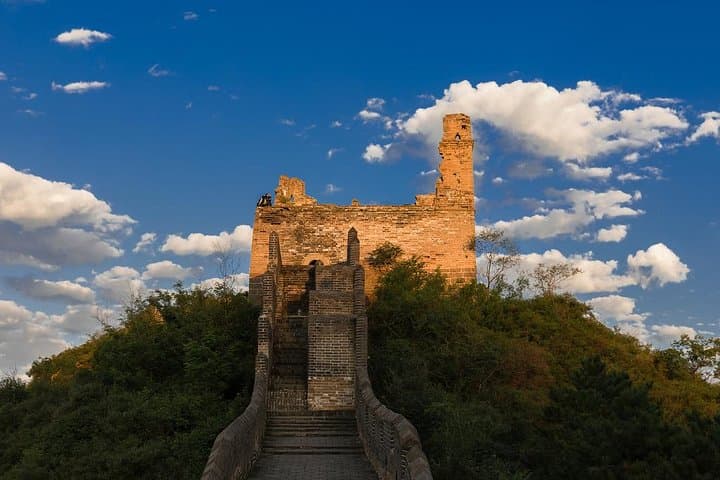
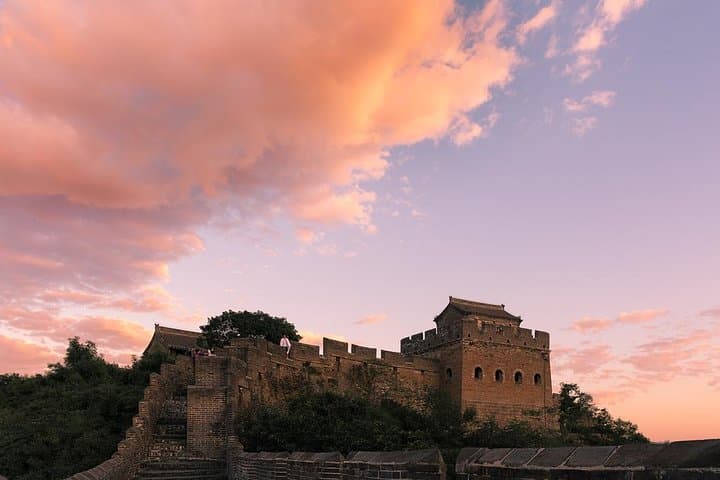
By the time you step onto Jinshanling, the wall moves under your boots — long stretches of original Ming brickwork, steep watchtowers punctuating the skyline, and gaps where the mountain demands a different route. This section, built in the 14th–17th centuries, links to Simatai on the east and Gubeikou to the west, preserving defensive architecture and original masonry that tell the Great Wall’s imperial story.
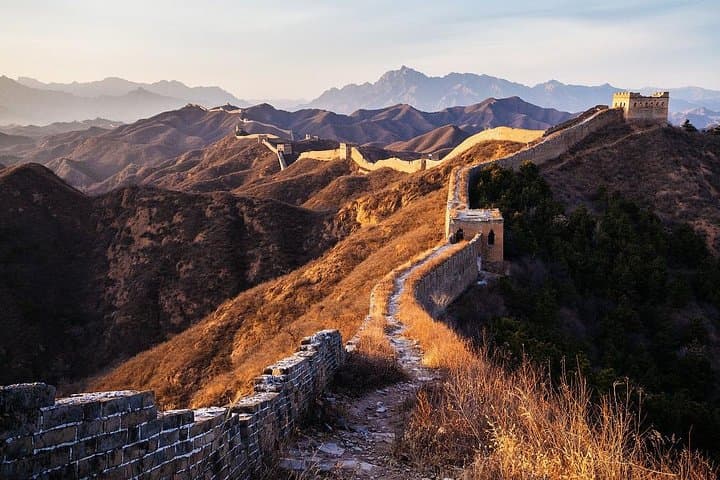
Geology here is honest: granite and schist folded into ridges that force the wall to climb, fall and reconnoiter each contour. Local villages at the base offer simple hospitality and a taste of Hebei province life; lunch in a family-run restaurant often features wheat noodles and seasonal vegetables.
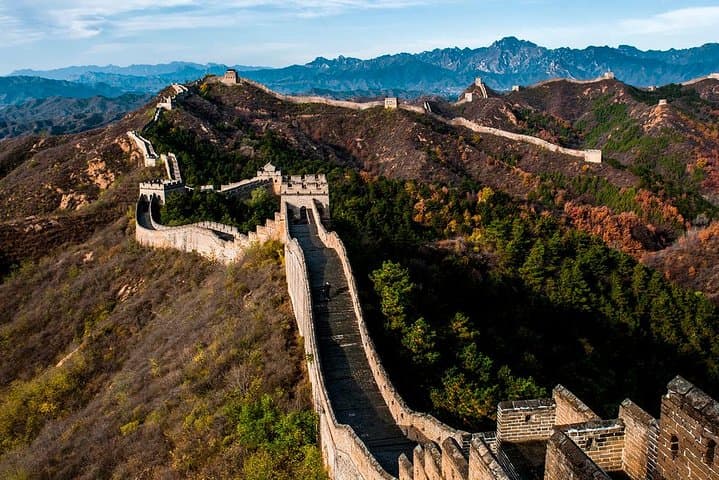
Expect 3–4 hours on the wall proper, with uneven steps, short scrambles and rewarding viewpoints at the towers. The route is exposed in places — sun and wind are active participants — so plan timing and layers. Guides handle permits, transport and local logistics, leaving you to read the landscape: towers that watched for banners, stonework that has weathered centuries, and mountain gullies that still channel winter runoff.
Practical notes: wear sturdy hiking shoes, carry 1–2 liters of water, bring sunscreen and a light wind layer. If you’re traveling from Beijing, count on 2–3 hours each way by private vehicle. Bring your passport for entry and arrive ready to trade crowds for an old-wall experience that rewards attention and steady footing.
moderate.
7–9 hours (including transfer).
Good cardiovascular fitness and stable balance for uneven, stepped terrain; able to hike 3–4 hours on stone and dirt trails.
Expect about 2–2.5 hours each way by private vehicle depending on traffic; the full outing is typically a 7–9 hour day.
Children can join if accustomed to hiking; the tour operator advises against travel for pregnant people or those with serious heart conditions due to uneven terrain.
There are basic restrooms and a local restaurant for lunch near the wall; bring small change and hand sanitizer for facilities.
Drone use in China is regulated; check local rules and operator policies — most organized tours prohibit drones without prior permission.
Jinshanling is a well-preserved Ming Dynasty section that links to Simatai and Gubeikou, retaining many original towers and battlements from the 14th–17th centuries.
Visitor impact is managed by staying on the wall and marked paths; avoid graffiti, take out trash and support local businesses that follow sustainable practices.
Beijing Tour Guide operates guided outdoor trips and adventures with an emphasis on safety, stewardship, and memorable experiences.
Morning light strips across crenellated stone as your driver eases off the highway and the Ming walls rise out of scrubby ridgelines.
Morning light strips across crenellated stone as your driver eases off the highway and the Ming walls rise out of scrubby ridgelines.
By the time you step onto Jinshanling, the wall moves under your boots — long stretches of original Ming brickwork, steep watchtowers punctuating the skyline, and gaps where the mountain demands a different route. This section, built in the 14th–17th centuries, links to Simatai on the east and Gubeikou to the west, preserving defensive architecture and original masonry that tell the Great Wall’s imperial story.
Geology here is honest: granite and schist folded into ridges that force the wall to climb, fall and reconnoiter each contour. Local villages at the base offer simple hospitality and a taste of Hebei province life; lunch in a family-run restaurant often features wheat noodles and seasonal vegetables.
Expect 3–4 hours on the wall proper, with uneven steps, short scrambles and rewarding viewpoints at the towers. The route is exposed in places — sun and wind are active participants — so plan timing and layers. Guides handle permits, transport and local logistics, leaving you to read the landscape: towers that watched for banners, stonework that has weathered centuries, and mountain gullies that still channel winter runoff.
Practical notes: wear sturdy hiking shoes, carry 1–2 liters of water, bring sunscreen and a light wind layer. If you’re traveling from Beijing, count on 2–3 hours each way by private vehicle. Bring your passport for entry and arrive ready to trade crowds for an old-wall experience that rewards attention and steady footing.