THE ADVENTURE COLLECTIVE® · Independent discovery and booking for outdoor travel

A full-day guided trek from CDMX to Iztaccíhuatl’s higher slopes, reaching viewpoints around 4,500 m. Expect rocky volcanic terrain, high-altitude weather and sweeping views of Popocatépetl—ideal for hikers ready for a challenging day trip.
A full-day guided trek from CDMX to Iztaccíhuatl’s higher slopes, reaching viewpoints around 4,500 m. Expect rocky volcanic terrain, high-altitude weather and sweeping views of Popocatépetl—ideal for hikers ready for a challenging day trip.
You step out of the minibus where the air is thin and cold, the silhouette of Iztaccíhuatl rising like a slow-breathing giant. Wind tugs at your jacket; volcanic scree crunches underfoot. On a clear day Popocatépetl looms across the valley, a smoking counterpoint to Iztaccíhuatl’s stepped ridges.
Verified experiences and guided adventures in the surrounding area.
Operated by Unlimited Experiences · Amecameca, Estado de México
You step out of the minibus where the air is thin and cold, the silhouette of Iztaccíhuatl rising like a slow-breathing giant. Wind tugs at your jacket; volcanic scree crunches underfoot. On a clear day Popocatépetl looms across the valley, a smoking counterpoint to Iztaccíhuatl’s stepped ridges.
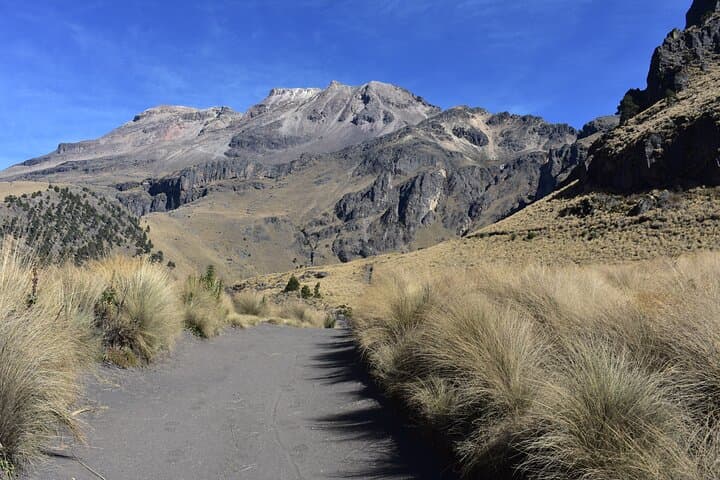
The slopes here are carved by glaciers and fire—Pleistocene ice left bowls and moraines while repeated eruptions seeded layers of ash and andesite. Indigenous Nahua stories give the mountain its name: the Sleeping Woman, a landmark woven into local culture and pilgrimage. Trails cross high-altitude grasslands, volcanic talus and terraced dirt roads used by shepherds and park rangers.
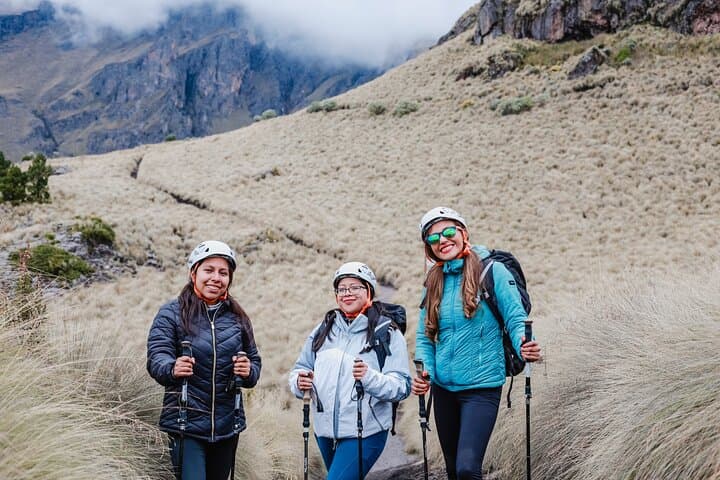
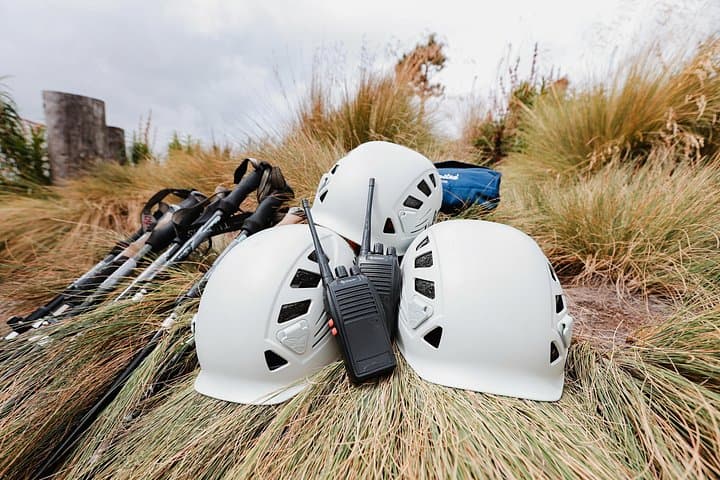
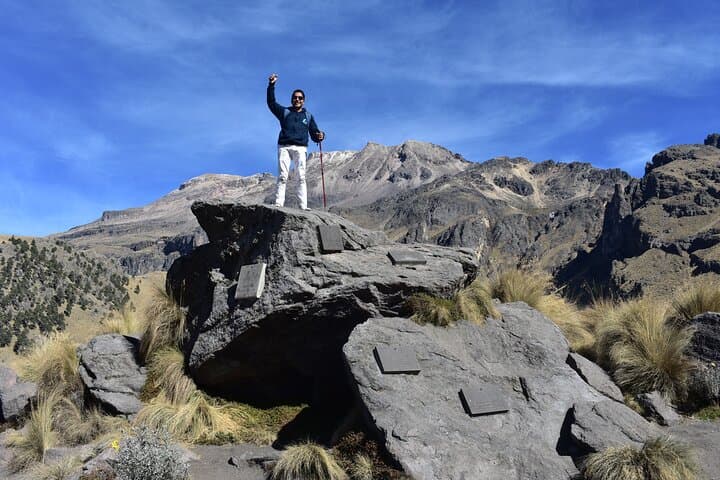
Expect a demanding day: the operator often aims for viewpoints around 4,500 m rather than the true summit (5,230 m), with 7–14 km round-trip distance depending on the route and park reservation status. Guides carry oximeters and helmets, and the itinerary includes national park permits and transport from Mexico City; roads are slow and terraced, so the transfer is part of the experience.
Practical edge: start early to beat afternoon weather, hydrate heavily, and move at a steady pace to reduce altitude strain. Wear stiff-soled boots for rocky sections and bring layered insulation for wind and sudden temperature drops. Remember park rules—stay on trails and pack out everything you bring in. The hike delivers raw highland scenery, cultural resonance and a real alpine challenge within reach of CDMX.
challenging.
8–10 hours.
Good cardiovascular fitness and prior high-elevation day-hike experience; ability to hike steadily for several hours at altitude.
The itinerary commonly reaches viewpoints around 4,500 meters above sea level; summit attempts to 5,230 m are not part of the standard day tour.
Yes—access is subject to national park reservations; the operator includes permits when available and will adjust the start point if reservations are limited.
No technical climbing skills are required for the standard route, but strong hiking ability and acclimatization are important given the altitude and terrain.
Minors under 12 are generally not permitted; check the operator’s policy and consider altitude risks for younger teens.
Iztaccíhuatl and Popocatépetl have deep significance in Nahua traditions and served as territorial markers and ritual landscapes for pre-Hispanic communities.
The Iztaccíhuatl-Popocatépetl National Park manages visitor access to reduce erosion and protect high-elevation grasslands; stay on marked paths and carry out trash to limit impact.
Unlimited Experiences operates guided outdoor trips and adventures with an emphasis on safety, stewardship, and memorable experiences.
You step out of the minibus where the air is thin and cold, the silhouette of Iztaccíhuatl rising like a slow-breathing giant. Wind tugs at your jacket; volcanic scree crunches underfoot. On a clear day Popocatépetl looms across the valley, a smoking counterpoint to Iztaccíhuatl’s stepped ridges.
You step out of the minibus where the air is thin and cold, the silhouette of Iztaccíhuatl rising like a slow-breathing giant. Wind tugs at your jacket; volcanic scree crunches underfoot. On a clear day Popocatépetl looms across the valley, a smoking counterpoint to Iztaccíhuatl’s stepped ridges.
The slopes here are carved by glaciers and fire—Pleistocene ice left bowls and moraines while repeated eruptions seeded layers of ash and andesite. Indigenous Nahua stories give the mountain its name: the Sleeping Woman, a landmark woven into local culture and pilgrimage. Trails cross high-altitude grasslands, volcanic talus and terraced dirt roads used by shepherds and park rangers.
Expect a demanding day: the operator often aims for viewpoints around 4,500 m rather than the true summit (5,230 m), with 7–14 km round-trip distance depending on the route and park reservation status. Guides carry oximeters and helmets, and the itinerary includes national park permits and transport from Mexico City; roads are slow and terraced, so the transfer is part of the experience.
Practical edge: start early to beat afternoon weather, hydrate heavily, and move at a steady pace to reduce altitude strain. Wear stiff-soled boots for rocky sections and bring layered insulation for wind and sudden temperature drops. Remember park rules—stay on trails and pack out everything you bring in. The hike delivers raw highland scenery, cultural resonance and a real alpine challenge within reach of CDMX.