THE ADVENTURE COLLECTIVE® · Independent discovery and booking for outdoor travel

Explore Llaviucu Lake and an ancient Inca trail on a private five-hour hike through El Cajas’ high páramo. Expect quiet valleys, abandoned brewery ruins, wild horses and changing mountain weather—plus practical guidance for high-altitude hiking.
Explore Llaviucu Lake and an ancient Inca trail on a private five-hour hike through El Cajas’ high páramo. Expect quiet valleys, abandoned brewery ruins, wild horses and changing mountain weather—plus practical guidance for high-altitude hiking.
A thin, cold light breaks over the high grass as the group moves onto an ancient stone track. The Llaviucu valley opens like a withheld secret: a glassy lake, low cliffs, and meadows where horses and alpacas lift their heads to inspect new visitors. Wind threads through tussocks and the river down-valley dares you toward distant falls.
Verified experiences and guided adventures in the surrounding area.
Operated by Marc King · Cuenca, Azuay
A thin, cold light breaks over the high grass as the group moves onto an ancient stone track. The Llaviucu valley opens like a withheld secret: a glassy lake, low cliffs, and meadows where horses and alpacas lift their heads to inspect new visitors. Wind threads through tussocks and the river down-valley dares you toward distant falls.
This route follows a centuries-old Inca corridor and skirts ruins left by German settlers who once tapped local water for a small brewery—evidence of Cuenca’s layered human history. Geologically, the valley is carved from glacial cirques and quartzite ridges; lakes sit in hollows scoured during the last ice age and páramo soils hold water like a sponge.
Local campesino families still graze livestock here and guides bridge cultural knowledge with natural history. Because this itinerary travels beyond the park’s busiest boardwalks, it often feels private: you may have long stretches without other hikers and unfiltered views for photos or quiet meditation.
Practicals: expect about 8–10 km of walking over roughly 5 hours with 200–400 m of cumulative gain at 3,200–3,600 m elevation. Terrain alternates grassy slopes, rocky singletrack, and wet sections near streams—good boots and layered clothing matter. The guide provides transport from Cuenca, pacing for acclimatization, regular stops, and basic snacks; bring 1–2 liters of water, sun protection, and patience for sudden weather shifts. Morning departures maximize light and reduce afternoon showers. Stick to trails to protect fragile páramo soils and leave no trace.
moderate.
4–6 hours.
Moderate fitness: comfortable walking 8–10 km at high elevation with some uneven terrain.
The route is rated moderate: it's suitable for those new to high-elevation hiking if they move slowly, acclimate in Cuenca, and use proper footwear.
Yes—this private tour includes round-trip transport from agreed pickup points in Cuenca as part of the booking.
You’ll likely see alpacas and wild horses; Andean condors are possible but sightings aren’t guaranteed and spectacled bears are rare.
Facilities are limited—use restrooms in Cuenca before departure and carry snacks; guides typically provide light snacks but not full meals.
The trail follows an Inca-era corridor later crossed by European settlers; remnants like the brewery illustrate 19th-century use of highland water resources.
El Cajas’ páramo is water-rich but ecologically fragile; visitors should stay on trails, avoid trampling cushion plants, and pack out waste to preserve hydrology.
Marc King operates guided outdoor trips and adventures with an emphasis on safety, stewardship, and memorable experiences.
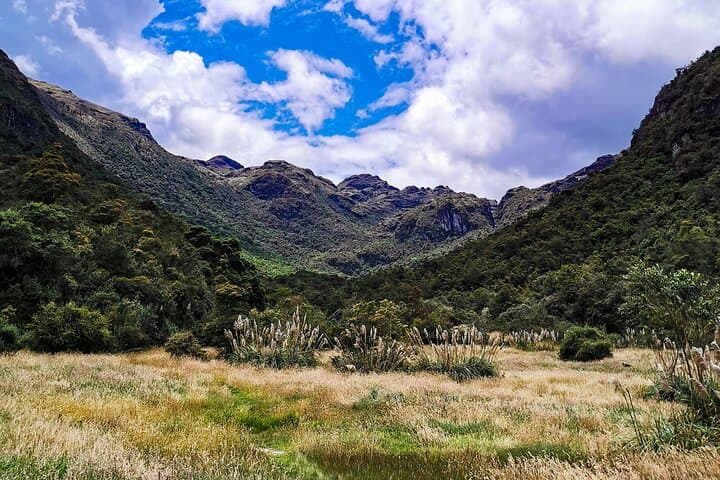
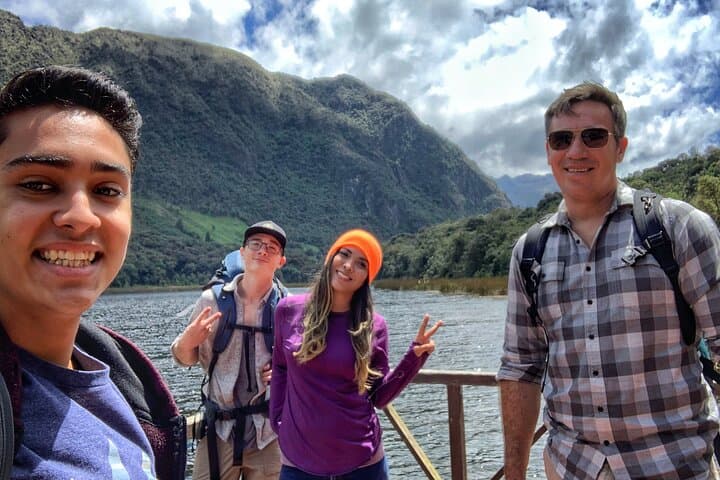
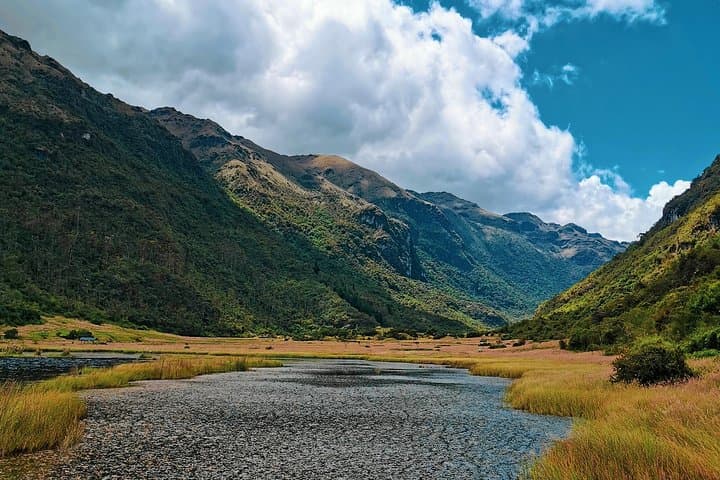
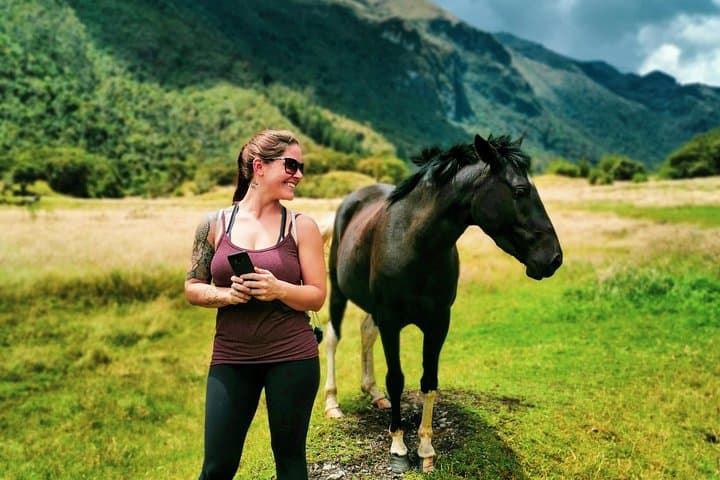
A thin, cold light breaks over the high grass as the group moves onto an ancient stone track. The Llaviucu valley opens like a withheld secret: a glassy lake, low cliffs, and meadows where horses and alpacas lift their heads to inspect new visitors. Wind threads through tussocks and the river down-valley dares you toward distant falls.
A thin, cold light breaks over the high grass as the group moves onto an ancient stone track. The Llaviucu valley opens like a withheld secret: a glassy lake, low cliffs, and meadows where horses and alpacas lift their heads to inspect new visitors. Wind threads through tussocks and the river down-valley dares you toward distant falls.
This route follows a centuries-old Inca corridor and skirts ruins left by German settlers who once tapped local water for a small brewery—evidence of Cuenca’s layered human history. Geologically, the valley is carved from glacial cirques and quartzite ridges; lakes sit in hollows scoured during the last ice age and páramo soils hold water like a sponge.
Local campesino families still graze livestock here and guides bridge cultural knowledge with natural history. Because this itinerary travels beyond the park’s busiest boardwalks, it often feels private: you may have long stretches without other hikers and unfiltered views for photos or quiet meditation.
Practicals: expect about 8–10 km of walking over roughly 5 hours with 200–400 m of cumulative gain at 3,200–3,600 m elevation. Terrain alternates grassy slopes, rocky singletrack, and wet sections near streams—good boots and layered clothing matter. The guide provides transport from Cuenca, pacing for acclimatization, regular stops, and basic snacks; bring 1–2 liters of water, sun protection, and patience for sudden weather shifts. Morning departures maximize light and reduce afternoon showers. Stick to trails to protect fragile páramo soils and leave no trace.