THE ADVENTURE COLLECTIVE® · Independent discovery and booking for outdoor travel

Walk elevated boardwalks beneath ancient ebony, watch endemic birds flit through a recovering forest, and climb a short ridgeline for sweeping coastal views. Ebony Forest Reserve blends hands-on conservation with accessible hiking and rewarding panoramas.
Walk elevated boardwalks beneath ancient ebony, watch endemic birds flit through a recovering forest, and climb a short ridgeline for sweeping coastal views. Ebony Forest Reserve blends hands-on conservation with accessible hiking and rewarding panoramas.
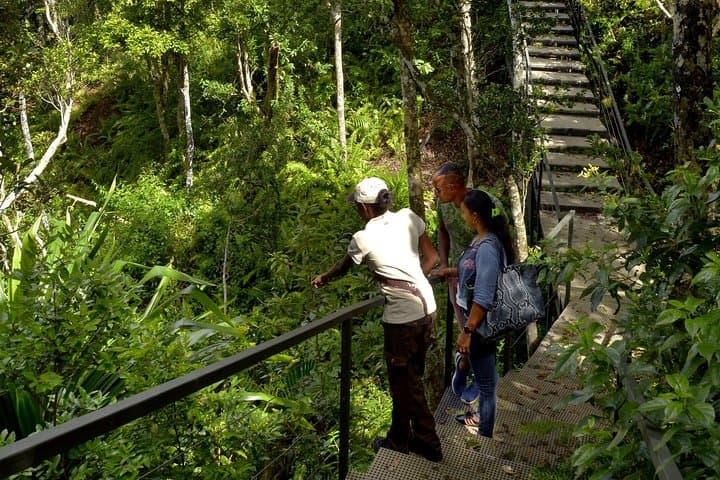
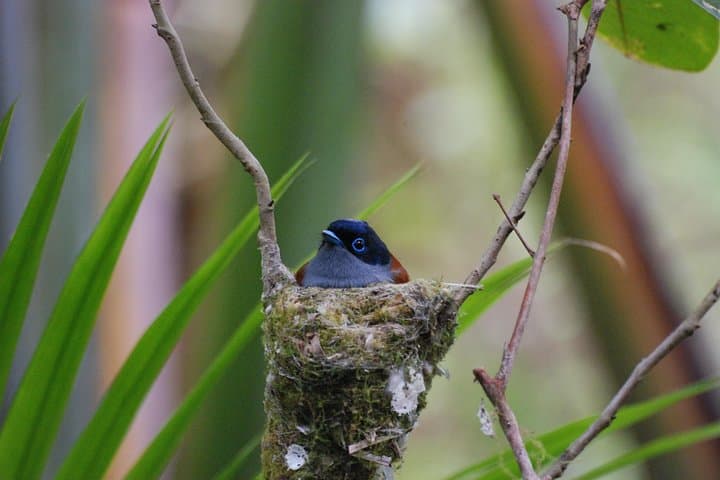
You step off the road and the sound of the coast drops away; the forest takes over in a dense, humid hush. A raised boardwalk rises gently through trunks of ancient ebony that still bear scars from early logging — black-barked elders that seem to watch the trail. Birds dart between branches: Mauritius Flycatchers flit like punctuation marks, and the Black Bulbul chases a shaft of sunlight across the understory.
Verified experiences and guided adventures in the surrounding area.
Operated by Ebony Forest Chamarel · Chamarel, Rivière Noire District
You step off the road and the sound of the coast drops away; the forest takes over in a dense, humid hush. A raised boardwalk rises gently through trunks of ancient ebony that still bear scars from early logging — black-barked elders that seem to watch the trail. Birds dart between branches: Mauritius Flycatchers flit like punctuation marks, and the Black Bulbul chases a shaft of sunlight across the understory.
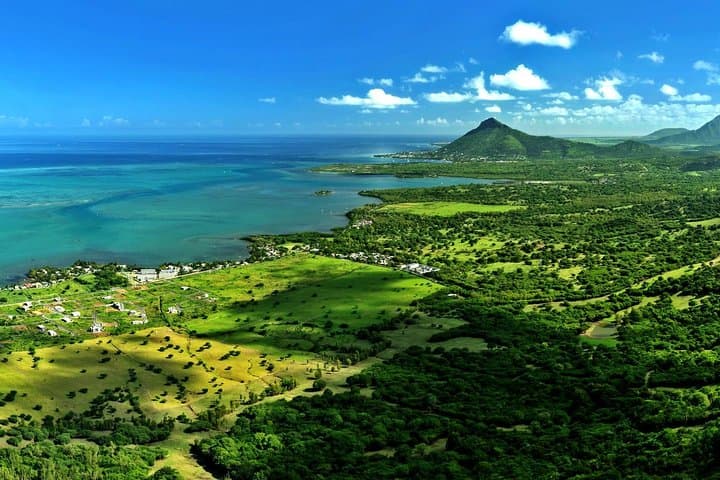
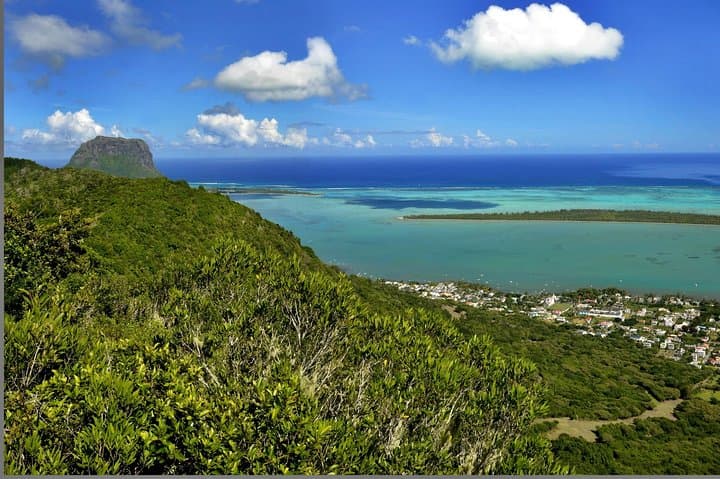
Ebony Forest Reserve is one of the last stretches of native forest on Mauritius, a place where eight million years of volcanic geology and a half-century of conservation work meet on a ridgeline. The reserve sits near the famous Seven Coloured Earth and Chamarel Waterfall; the soil here remembers lava flows and erosion, and the ridgeline trail (about 1.1 km) looks out across the southwest coast toward Le Morne. A 30-minute guided walk takes visitors along raised walkways (0.5–4 m above the ground) through low-canopy forest where endemic plants and birds reassert themselves.
Historically, this land was prime habitat for species lost elsewhere on the island after colonization and agricultural conversion. Ebony Forest’s museum—the Ebony Experience—walks you through volcanic origins, colonization, and the slow recovery now underway. Conservation here is active and measurable: teams have planted over 148,000 native trees and run bird reintroduction programs for species like the Pink Pigeon and Echo Parakeet.
On the Ridgeline Trail you gain a modest amount of height — expect an elevation change of roughly 80–200 m depending on route — for views from Sublime Point that look across Ile aux Bénitiers and the cliffs of Le Morne. For hikers with more energy, a steeper scramble to Piton Canot offers a broader panorama; plan an extra 60–90 minutes and expect uneven, rocky trail.
Practicalities matter: the guided flycatcher tour is the core experience and is wheelchair accessible in portions, but the ridgeline and Piton Canot are uneven. Plan 1–3 hours total depending on optional hikes, bring insect repellent and at least 1L of water, and wear grippy shoes for mud and roots. The site operates in all weather—bring a light rain shell in the wet season—and local snacks and a small boutique help fund restoration efforts.
If you want birds, go early when the forest is most active. If you want sky and coast, time your visit for late afternoon light at Sublime Point. Because the reserve is one of the island’s most successful restoration projects, a visit supports hands-on conservation rather than passive sightseeing.
moderate.
1–3 hours.
Suitable for reasonably fit travelers who can manage short steeper sections and uneven terrain; wheelchair-accessible sections are available for those who need them.
The guided section is about 30 minutes along raised walkways; total visit time depends on whether you add the Ridgeline Trail or Piton Canot.
Children must be accompanied by an adult; the general site is family-friendly but the reserve advises the experience is not recommended for pregnant travelers.
Public transport options are available near Chamarel, but most visitors arrive by car or tour; follow signs from the Seven Coloured Earth road to the visitor centre.
Yes—there are basic visitor facilities and a small boutique/snack stall at Sublime Point; purchases support conservation work.
Portions of the visitor centre and the boardwalk are wheelchair accessible, but Ridgeline Trail and Piton Canot are uneven and not suitable for wheelchair users.
Expect endemic birds like the Mauritius Flycatcher and Black Bulbul, and occasionally Pink Pigeons and Echo Parakeets; bats and swiftlets are visible above the ridgeline.
The reserve protects one of Mauritius’ last pockets of native ebony forest; the island’s volcanic past shaped the soils while colonial-era clearing decimated much of the original vegetation.
Ebony Forest runs active restoration and reintroduction programs, having planted over 148,000 native trees; purchases and donations directly fund ongoing planting and weeding.
Ebony Forest Chamarel operates guided outdoor trips and adventures with an emphasis on safety, stewardship, and memorable experiences.
You step off the road and the sound of the coast drops away; the forest takes over in a dense, humid hush. A raised boardwalk rises gently through trunks of ancient ebony that still bear scars from early logging — black-barked elders that seem to watch the trail. Birds dart between branches: Mauritius Flycatchers flit like punctuation marks, and the Black Bulbul chases a shaft of sunlight across the understory.
You step off the road and the sound of the coast drops away; the forest takes over in a dense, humid hush. A raised boardwalk rises gently through trunks of ancient ebony that still bear scars from early logging — black-barked elders that seem to watch the trail. Birds dart between branches: Mauritius Flycatchers flit like punctuation marks, and the Black Bulbul chases a shaft of sunlight across the understory.
Ebony Forest Reserve is one of the last stretches of native forest on Mauritius, a place where eight million years of volcanic geology and a half-century of conservation work meet on a ridgeline. The reserve sits near the famous Seven Coloured Earth and Chamarel Waterfall; the soil here remembers lava flows and erosion, and the ridgeline trail (about 1.1 km) looks out across the southwest coast toward Le Morne. A 30-minute guided walk takes visitors along raised walkways (0.5–4 m above the ground) through low-canopy forest where endemic plants and birds reassert themselves.
Historically, this land was prime habitat for species lost elsewhere on the island after colonization and agricultural conversion. Ebony Forest’s museum—the Ebony Experience—walks you through volcanic origins, colonization, and the slow recovery now underway. Conservation here is active and measurable: teams have planted over 148,000 native trees and run bird reintroduction programs for species like the Pink Pigeon and Echo Parakeet.
On the Ridgeline Trail you gain a modest amount of height — expect an elevation change of roughly 80–200 m depending on route — for views from Sublime Point that look across Ile aux Bénitiers and the cliffs of Le Morne. For hikers with more energy, a steeper scramble to Piton Canot offers a broader panorama; plan an extra 60–90 minutes and expect uneven, rocky trail.
Practicalities matter: the guided flycatcher tour is the core experience and is wheelchair accessible in portions, but the ridgeline and Piton Canot are uneven. Plan 1–3 hours total depending on optional hikes, bring insect repellent and at least 1L of water, and wear grippy shoes for mud and roots. The site operates in all weather—bring a light rain shell in the wet season—and local snacks and a small boutique help fund restoration efforts.
If you want birds, go early when the forest is most active. If you want sky and coast, time your visit for late afternoon light at Sublime Point. Because the reserve is one of the island’s most successful restoration projects, a visit supports hands-on conservation rather than passive sightseeing.