THE ADVENTURE COLLECTIVE® · Independent discovery and booking for outdoor travel

Spend a day inside Cotopaxi National Park visiting Limpiopungo Lagoon, the Mariscal Sucre Interpretation Center and hiking toward the José Rivas Refuge at 4,864 m. This compact tour highlights high-Andean landscapes, wildlife viewing and accessible high-altitude hiking.
Spend a day inside Cotopaxi National Park visiting Limpiopungo Lagoon, the Mariscal Sucre Interpretation Center and hiking toward the José Rivas Refuge at 4,864 m. This compact tour highlights high-Andean landscapes, wildlife viewing and accessible high-altitude hiking.
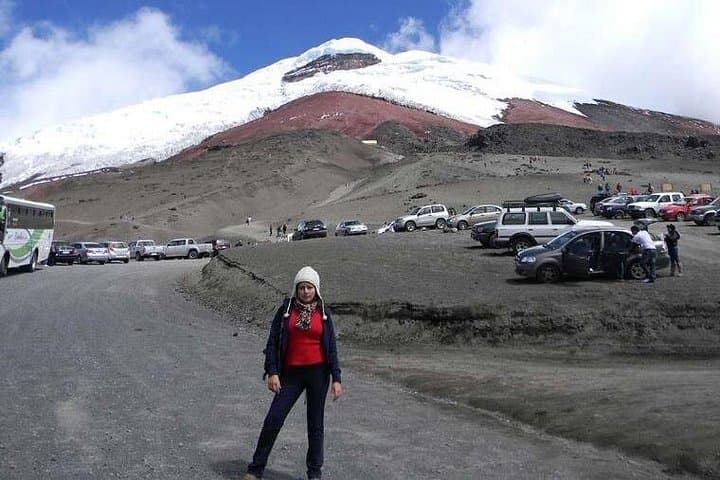
You step from the van into thin, sharp air and Cotopaxi’s cone fills the sky—a pale, glacier-rimmed column that seems to push the clouds aside.
Verified experiences and guided adventures in the surrounding area.
Operated by Special holiday offer. Best of Ecuador | Tour Operator - Explorjungle · Latacunga, Cotopaxi
You step from the van into thin, sharp air and Cotopaxi’s cone fills the sky—a pale, glacier-rimmed column that seems to push the clouds aside.
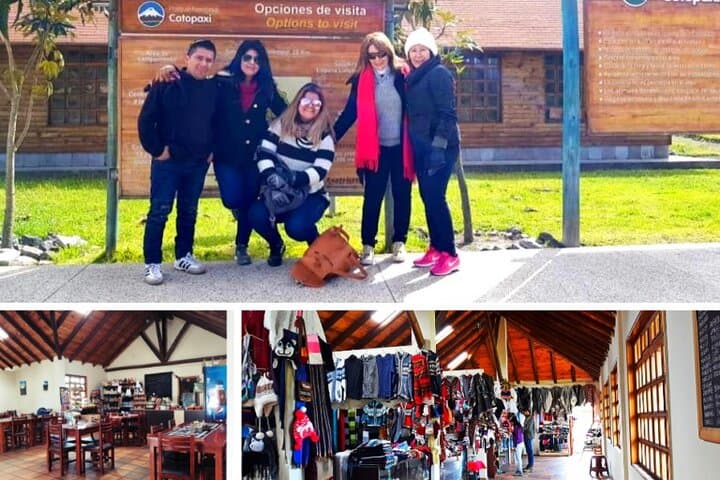
The route threads through high Andean páramo: tussock grass flats, wind-polished rock, and sudden mirrors of water at Limpiopungo Lagoon where trout and waterfowl test the light. The Mariscal Sucre Interpretation Center frames that landscape with context—glacier science, eruption history and the human stories of local farming communities who read seasons by the mountain.
Cotopaxi is an active stratovolcano (about 5,897 m) carved from layers of ash and lava; its eruptions have shaped agrarian valleys and regional trade routes for centuries. The José Rivas Refuge sits high on the volcano’s flank at roughly 4,864 m and is a focal point for hikers assessing the glacier routes above. Indigenous and mestizo culture remain visible in roadside markets and the llama herds on distant ridgelines.
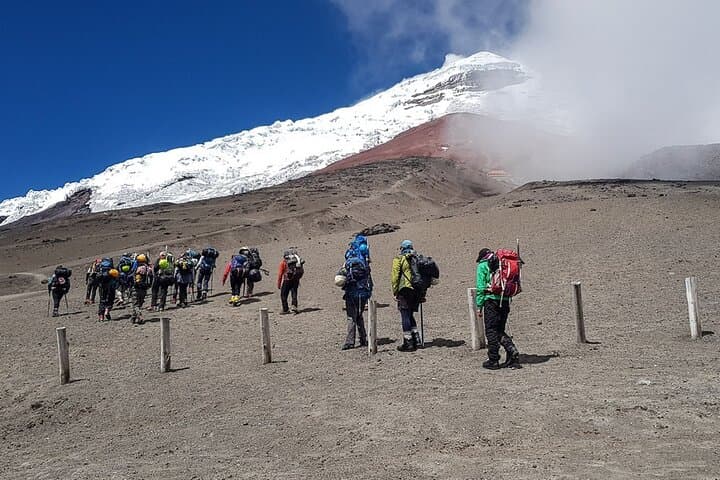
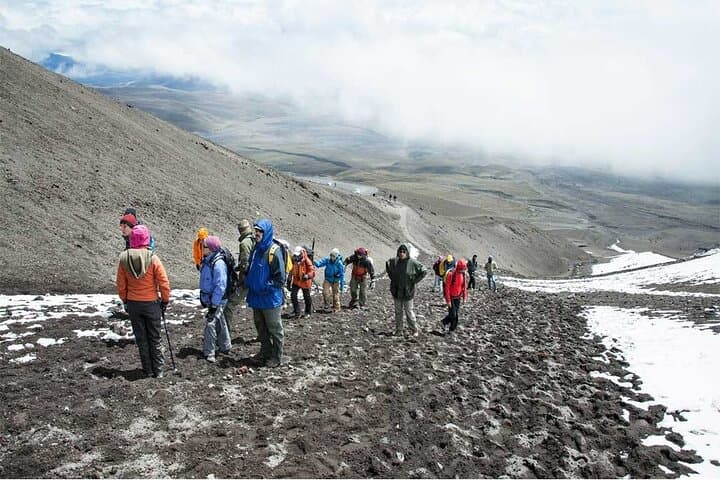
On a day tour you’ll get a compact experience: drives into the national park, a lakeside stop for birding and photography, a museum briefing, then a controlled ascent toward the refuge with sweeping views of Cotopaxi and neighboring peaks. Expect rapid weather shifts—sun that pushes warmth and winds that bite back.
Practical takeaways: allow time to acclimatize, carry layered clothing, sunscreen and a strong water plan, and choose sturdy footwear; the altitude is the main challenge rather than technical climbing. Guides handle logistics and park access, but personal preparation makes the day both safer and more rewarding.
challenging.
6 hours.
Good cardiovascular fitness and prior exposure to high altitude recommended; be prepared for steep, sustained uphill sections.
A typical visit on this day tour includes short hikes to viewpoints and a progressive ascent toward the refuge area; expect several hours of combined walking and stops within a 6-hour tour.
The tour is accessible for many people, but the hike toward the refuge reaches high elevations—young children and those with respiratory or cardiac issues should consult a doctor and consider staying at lower viewpoints.
Most day tours include transport and park access; confirm with the operator whether entrance fees and refuge access are covered when you book.
You can commonly see Andean waterfowl at Limpiopungo and possibly grazing camelids; condors are occasionally observed riding thermals above ridgelines.
Cotopaxi has been a prominent landmark and active volcano for millennia; local indigenous communities historically saw the mountain as central to seasonal agriculture and ritual life.
The páramo is fragile—stay on trails, pack out waste, and respect grazing areas; the national park regulates access to protect glaciers and water sources.
Special holiday offer. Best of Ecuador | Tour Operator - Explorjungle operates guided outdoor trips and adventures with an emphasis on safety, stewardship, and memorable experiences.
You step from the van into thin, sharp air and Cotopaxi’s cone fills the sky—a pale, glacier-rimmed column that seems to push the clouds aside.
You step from the van into thin, sharp air and Cotopaxi’s cone fills the sky—a pale, glacier-rimmed column that seems to push the clouds aside.
The route threads through high Andean páramo: tussock grass flats, wind-polished rock, and sudden mirrors of water at Limpiopungo Lagoon where trout and waterfowl test the light. The Mariscal Sucre Interpretation Center frames that landscape with context—glacier science, eruption history and the human stories of local farming communities who read seasons by the mountain.
Cotopaxi is an active stratovolcano (about 5,897 m) carved from layers of ash and lava; its eruptions have shaped agrarian valleys and regional trade routes for centuries. The José Rivas Refuge sits high on the volcano’s flank at roughly 4,864 m and is a focal point for hikers assessing the glacier routes above. Indigenous and mestizo culture remain visible in roadside markets and the llama herds on distant ridgelines.
On a day tour you’ll get a compact experience: drives into the national park, a lakeside stop for birding and photography, a museum briefing, then a controlled ascent toward the refuge with sweeping views of Cotopaxi and neighboring peaks. Expect rapid weather shifts—sun that pushes warmth and winds that bite back.
Practical takeaways: allow time to acclimatize, carry layered clothing, sunscreen and a strong water plan, and choose sturdy footwear; the altitude is the main challenge rather than technical climbing. Guides handle logistics and park access, but personal preparation makes the day both safer and more rewarding.