THE ADVENTURE COLLECTIVE® · Independent discovery and booking for outdoor travel

Stand above Sofia on Vitosha’s stone rivers and peat bogs — a full‑day hike to Cherni Vryh (2,290 m) that blends alpine views, rare plants, and possible chamois sightings. Learn the route, seasons, and gear to make it a safe, unforgettable day.
Stand above Sofia on Vitosha’s stone rivers and peat bogs — a full‑day hike to Cherni Vryh (2,290 m) that blends alpine views, rare plants, and possible chamois sightings. Learn the route, seasons, and gear to make it a safe, unforgettable day.
A wind-swept ridge opens above the tree line and the city below shrinks to a scatter of tiles and traffic. On Vitosha’s upper slopes the stones make their own language — ribbed “stone rivers” you pick your way across — and the summit, Cherni Vryh (2290 m), sits like a weathered watchman over Sofia.
Verified experiences and guided adventures in the surrounding area.
Operated by Traventuria · Sofia, Sofia City Province
A wind-swept ridge opens above the tree line and the city below shrinks to a scatter of tiles and traffic. On Vitosha’s upper slopes the stones make their own language — ribbed “stone rivers” you pick your way across — and the summit, Cherni Vryh (2290 m), sits like a weathered watchman over Sofia.
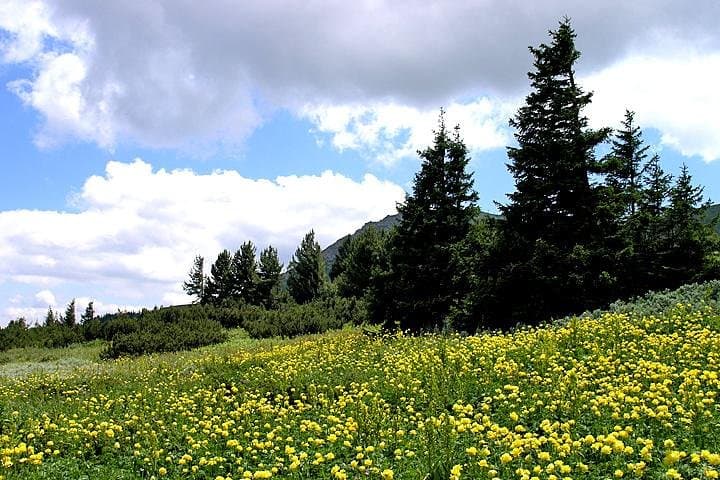
Vitosha is one of Europe’s older massifs, its granite rounded by millennia of frost and erosion; peat bogs and alpine meadows tell a story of glacial hangovers and unique microclimates. Culturally the mountain has long been Sofia’s backyard: early 20th‑century naturists, ski clubs and wartime lookouts all used these slopes, and small huts like Aleko became staging posts for hikers. Birdsong accompanies the route — raptors and high‑mountain passerines — and luck brings sightings of Balkan chamois and roe deer grazing near the ridge.
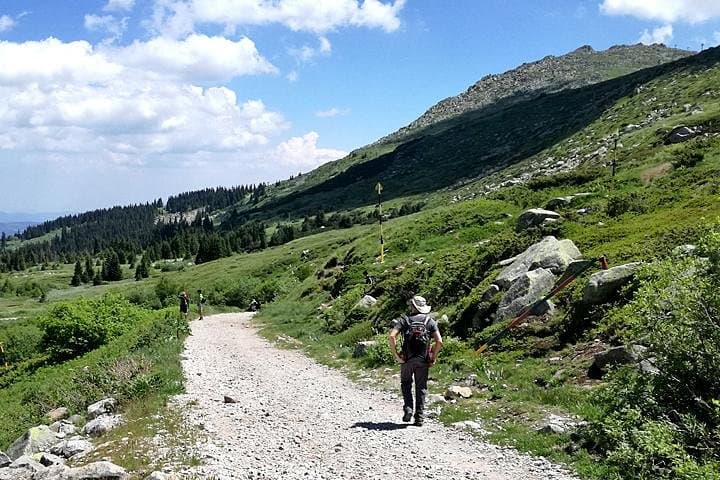
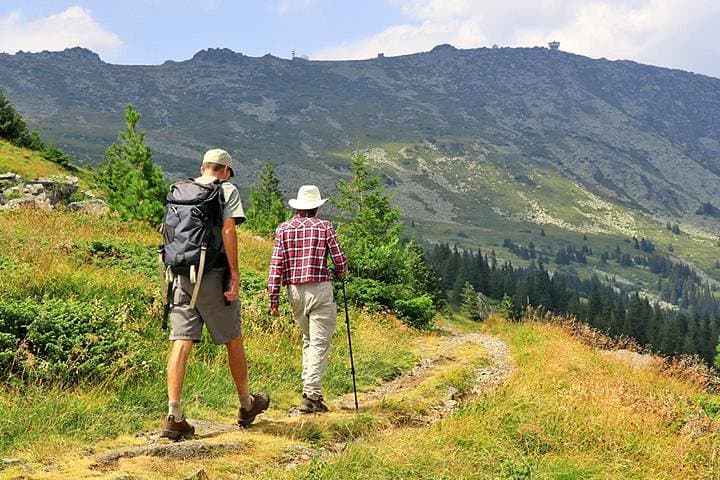
The standard route starts from Aleko hut, climbs through montane forest, crosses the Peat Reserve, and ascends exposed alpine terrain to Cherni Vryh, with a different descent under Malak Rezen. Expect mixed footing: packed trails, scree, and stone rivers, with panoramic views to the Balkan range and Sofia’s plain.
Practical: prepare for rapid weather shifts, start early to avoid afternoon storms, and pack at least 1.5–2 L water, layered clothing, sturdy hiking boots, and basic first aid. There are a few mountain huts selling simple food, but bring a sandwich for flexibility. The trek is a full‑day outing for hikers with moderate fitness and good footwear — a classic, accessible Bulgarian alpine day where the mountain keeps you honest and the summit rewards with clarity.
moderate.
6–8 hours.
Moderate fitness: comfortable with sustained uphill walking, short steeper sections, and uneven terrain.
The route is rated moderate: several sustained climbs and uneven footing; hikers should be in reasonable shape and used to day hikes.
Yes—several huts (e.g., Aleko area) sell simple meals and drinks, but bring a sandwich for flexibility and timing.
No permit is required for day hiking; the tour includes a driver/guide and transport if booked, but independent hikers can use marked trails.
Late spring through early fall offers best trail access; avoid winter without snow gear and avalanche knowledge.
Vitosha has been a recreational and national symbol for Sofia since the late 19th century; early mountain clubs helped establish trails and small huts like Aleko.
Parts of Vitosha are protected as a nature park and peat reserve—stay on marked trails to protect fragile alpine vegetation and avoid trampling rare orchids.
Traventuria operates guided outdoor trips and adventures with an emphasis on safety, stewardship, and memorable experiences.
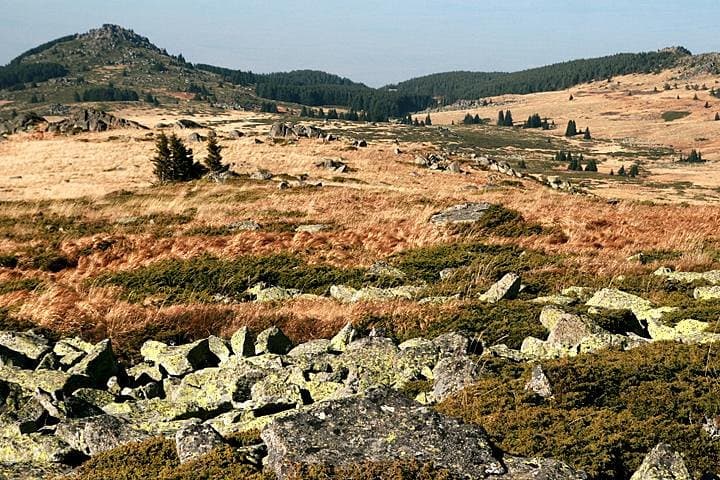
A wind-swept ridge opens above the tree line and the city below shrinks to a scatter of tiles and traffic. On Vitosha’s upper slopes the stones make their own language — ribbed “stone rivers” you pick your way across — and the summit, Cherni Vryh (2290 m), sits like a weathered watchman over Sofia.
A wind-swept ridge opens above the tree line and the city below shrinks to a scatter of tiles and traffic. On Vitosha’s upper slopes the stones make their own language — ribbed “stone rivers” you pick your way across — and the summit, Cherni Vryh (2290 m), sits like a weathered watchman over Sofia.
Vitosha is one of Europe’s older massifs, its granite rounded by millennia of frost and erosion; peat bogs and alpine meadows tell a story of glacial hangovers and unique microclimates. Culturally the mountain has long been Sofia’s backyard: early 20th‑century naturists, ski clubs and wartime lookouts all used these slopes, and small huts like Aleko became staging posts for hikers. Birdsong accompanies the route — raptors and high‑mountain passerines — and luck brings sightings of Balkan chamois and roe deer grazing near the ridge.
The standard route starts from Aleko hut, climbs through montane forest, crosses the Peat Reserve, and ascends exposed alpine terrain to Cherni Vryh, with a different descent under Malak Rezen. Expect mixed footing: packed trails, scree, and stone rivers, with panoramic views to the Balkan range and Sofia’s plain.
Practical: prepare for rapid weather shifts, start early to avoid afternoon storms, and pack at least 1.5–2 L water, layered clothing, sturdy hiking boots, and basic first aid. There are a few mountain huts selling simple food, but bring a sandwich for flexibility. The trek is a full‑day outing for hikers with moderate fitness and good footwear — a classic, accessible Bulgarian alpine day where the mountain keeps you honest and the summit rewards with clarity.