THE ADVENTURE COLLECTIVE® · Independent discovery and booking for outdoor travel

A half-day shore excursion that pairs an easy hike along Cerro Verde's cloud forest rim with a hands-on pupusa-making stop in historic Izalco. Expect volcanic views, cool mountain air, and a taste of Salvadoran street food.
A half-day shore excursion that pairs an easy hike along Cerro Verde's cloud forest rim with a hands-on pupusa-making stop in historic Izalco. Expect volcanic views, cool mountain air, and a taste of Salvadoran street food.
You step off the shuttle into cool air that smells of wet earth and coffee; clouds crawl low across the ridge and the silhouette of Izalco, the little lighthouse volcano, stabs the sky beyond a band of green. Cerro Verde National Park sits like an observation deck at 2,030 meters, its eroded crater rim sliced into trails that give you commanding views of the valley and the neighboring giants, Izalco and Santa Ana. The forest here moves—trees lean into the wind, moss hangs like slow curtains, and bird calls thread through the hush.
Verified experiences and guided adventures in the surrounding area.
Operated by Inter Tours · Santa Ana, Santa Ana Department
You step off the shuttle into cool air that smells of wet earth and coffee; clouds crawl low across the ridge and the silhouette of Izalco, the little lighthouse volcano, stabs the sky beyond a band of green. Cerro Verde National Park sits like an observation deck at 2,030 meters, its eroded crater rim sliced into trails that give you commanding views of the valley and the neighboring giants, Izalco and Santa Ana. The forest here moves—trees lean into the wind, moss hangs like slow curtains, and bird calls thread through the hush.
This shore excursion pairs a gentle rim hike with a cultural stop in Izalco, one of El Salvador's oldest Spanish-founded towns. Geologically, Cerro Verde is an extinct volcano whose crater has been carved and cloaked in a dense cloud forest; volcanic soils feed the coffee farms that roll across the slopes below. Centuries of eruptions from neighboring peaks, especially Izalco, shaped both the skyline and local livelihoods. In Izalco, Spanish colonial influence mixes with Nawat indigenous heritage—an ideal place to meet a cook and learn the making of pupusas, the stuffed masa griddles that are El Salvador's culinary signature.
On the trail expect a loop of roughly 3 kilometers along well-marked paths, with modest elevation change—most clients find it easy walking though the footing can be damp and rooty. Guides pause at lookout points so you can read the landscape: to the southwest the crater of Santa Ana broods, to the east the valley unfurls toward the Pacific. The guide will explain volcanic strata, the role of cloud forest in water capture, and why the area supports such distinct plant communities.
After the hike, the drive through Izalco feels like a different day: adobe facades, a market bustle, and the smell of corn masa warming on a comal. Pupusa-making is hands-on; the instructor shows how to press masa, fold in cheese or loroco, and fry until edges brown. You get to cook and taste—fresh, hot, and simple.
Practical notes: the full excursion runs about 5.5 hours and departs after cruise disembarkation; you must carry a photocopy of your passport for immigration. Weather on the rim is cooler and often wet—layers and a light rain shell are essential. Bring sturdy shoes, water, insect repellent, and some small bills for market purchases. The route and cultural stop make this an accessible, enriching half-day off a ship—an easy natural spectacle by morning, and a hands-on local flavor by noon.
easy.
5–6 hours.
Basic fitness for short hikes and walking on uneven, sometimes muddy trails; suitable for most travelers.
The rim loop guided during this excursion is roughly 3 kilometers and takes about 60–90 minutes with stops for viewpoints and interpretation.
Yes; the operator notes the activity is suitable for all fitness levels, but those with mobility issues should be prepared for uneven trail surfaces.
Nothing special—ingredients and cooking stations are provided; bring cash if you want extras or souvenirs afterward.
You must bring a photocopy of your passport's photo page with you; the supplier requests it for port immigration procedures.
Expect moderate walking on the rim trail and standing time during the pupusa demonstration and tasting—comfortable footwear is recommended.
The visit includes a short stroll through Izalco's streets and market; time is limited but adequate for a quick look and purchases.
Izalco was founded in the 16th century and grew around volcanic soils that supported coffee cultivation; the town retains indigenous Nawat influences in crafts and cuisine.
Cerro Verde protects cloud forest that captures water for surrounding communities; visitors are asked to stay on trails and avoid single-use plastics to minimize impact.
Inter Tours operates guided outdoor trips and adventures with an emphasis on safety, stewardship, and memorable experiences.
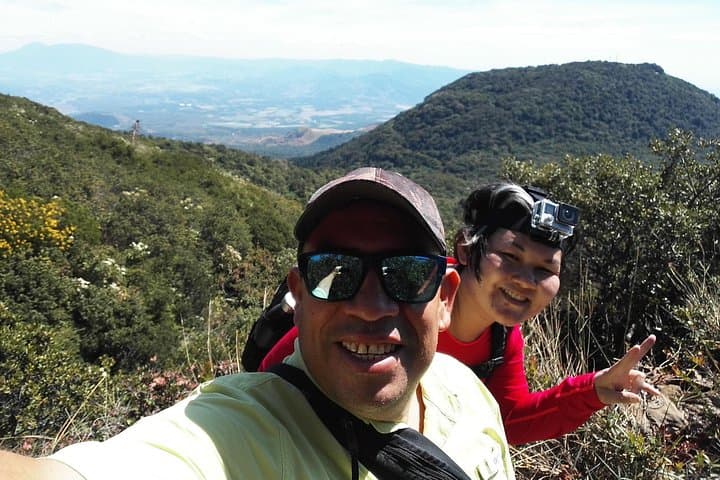
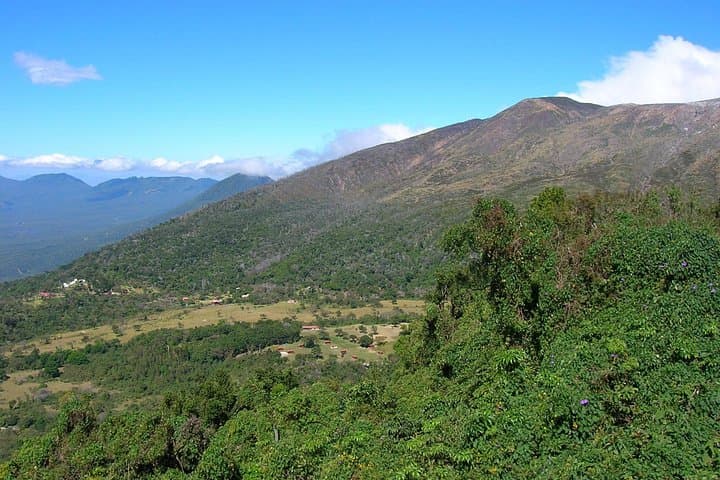
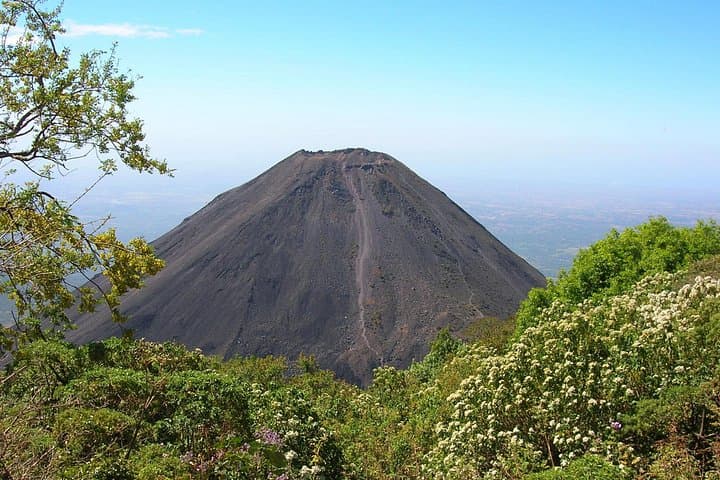
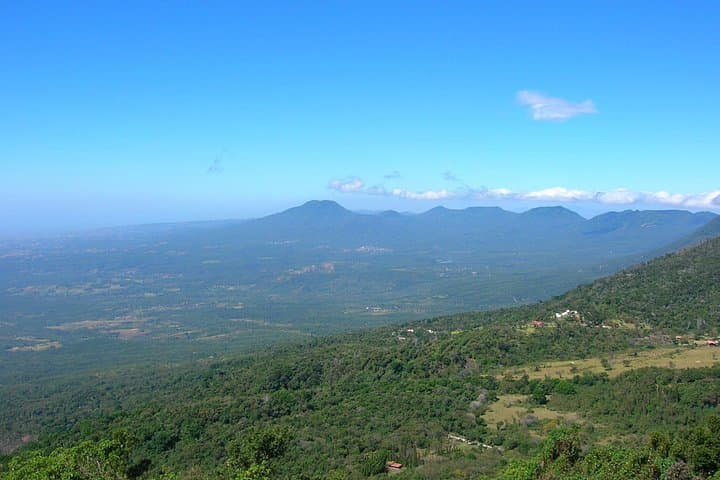
You step off the shuttle into cool air that smells of wet earth and coffee; clouds crawl low across the ridge and the silhouette of Izalco, the little lighthouse volcano, stabs the sky beyond a band of green. Cerro Verde National Park sits like an observation deck at 2,030 meters, its eroded crater rim sliced into trails that give you commanding views of the valley and the neighboring giants, Izalco and Santa Ana. The forest here moves—trees lean into the wind, moss hangs like slow curtains, and bird calls thread through the hush.
You step off the shuttle into cool air that smells of wet earth and coffee; clouds crawl low across the ridge and the silhouette of Izalco, the little lighthouse volcano, stabs the sky beyond a band of green. Cerro Verde National Park sits like an observation deck at 2,030 meters, its eroded crater rim sliced into trails that give you commanding views of the valley and the neighboring giants, Izalco and Santa Ana. The forest here moves—trees lean into the wind, moss hangs like slow curtains, and bird calls thread through the hush.
This shore excursion pairs a gentle rim hike with a cultural stop in Izalco, one of El Salvador's oldest Spanish-founded towns. Geologically, Cerro Verde is an extinct volcano whose crater has been carved and cloaked in a dense cloud forest; volcanic soils feed the coffee farms that roll across the slopes below. Centuries of eruptions from neighboring peaks, especially Izalco, shaped both the skyline and local livelihoods. In Izalco, Spanish colonial influence mixes with Nawat indigenous heritage—an ideal place to meet a cook and learn the making of pupusas, the stuffed masa griddles that are El Salvador's culinary signature.
On the trail expect a loop of roughly 3 kilometers along well-marked paths, with modest elevation change—most clients find it easy walking though the footing can be damp and rooty. Guides pause at lookout points so you can read the landscape: to the southwest the crater of Santa Ana broods, to the east the valley unfurls toward the Pacific. The guide will explain volcanic strata, the role of cloud forest in water capture, and why the area supports such distinct plant communities.
After the hike, the drive through Izalco feels like a different day: adobe facades, a market bustle, and the smell of corn masa warming on a comal. Pupusa-making is hands-on; the instructor shows how to press masa, fold in cheese or loroco, and fry until edges brown. You get to cook and taste—fresh, hot, and simple.
Practical notes: the full excursion runs about 5.5 hours and departs after cruise disembarkation; you must carry a photocopy of your passport for immigration. Weather on the rim is cooler and often wet—layers and a light rain shell are essential. Bring sturdy shoes, water, insect repellent, and some small bills for market purchases. The route and cultural stop make this an accessible, enriching half-day off a ship—an easy natural spectacle by morning, and a hands-on local flavor by noon.