THE ADVENTURE COLLECTIVE® · Independent discovery and booking for outdoor travel

Walk one of Menorca’s best-preserved coastal stretches: a 9.5 km guided hike from Cala Tirant to Cala Binimellà that combines low cliffs, dune systems and rich birdlife. Expect limestone shelves, wind-shaped plant communities and clear coastal views over roughly five hours.
Walk one of Menorca’s best-preserved coastal stretches: a 9.5 km guided hike from Cala Tirant to Cala Binimellà that combines low cliffs, dune systems and rich birdlife. Expect limestone shelves, wind-shaped plant communities and clear coastal views over roughly five hours.
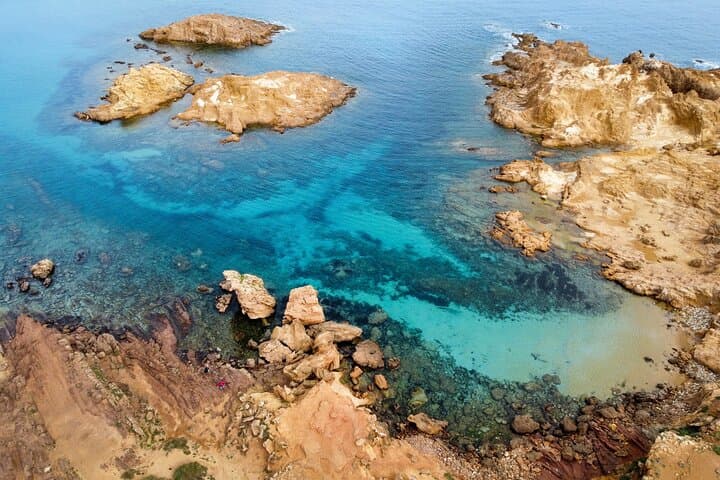
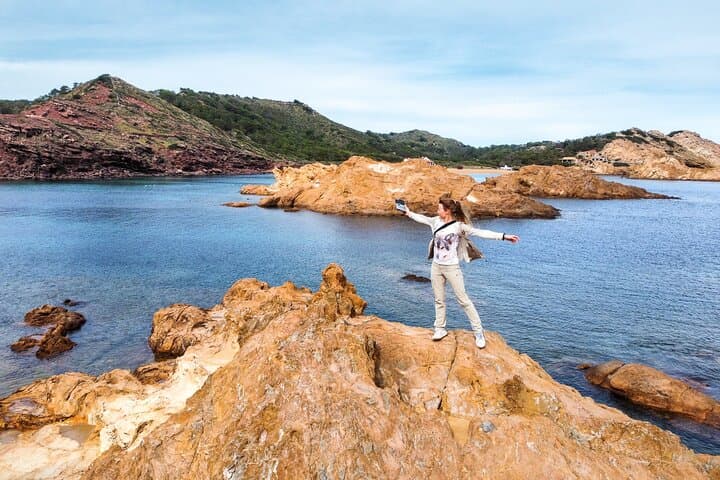
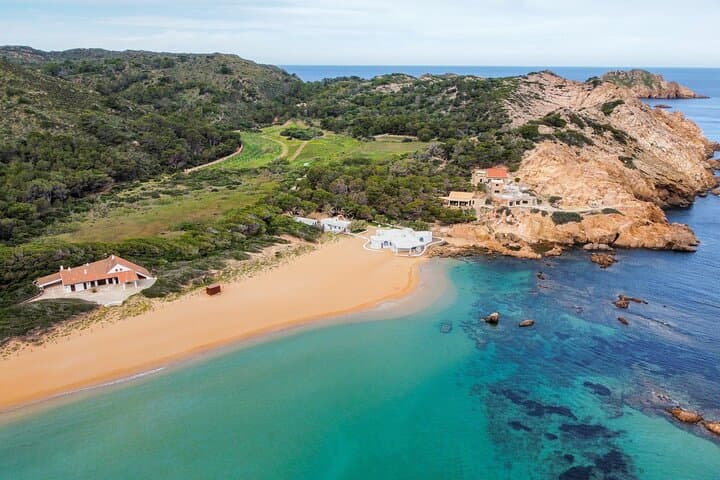
The path opens on wind-sculpted rock and salt-blasted pines; the sea keeps time to your right and the scrubby interior to your left as you step onto section 5 of the Camí de Cavalls. Start at Cala Tirant and the trail threads along low cliffs, skirts dune hammocks and climbs sparse ridgelines before letting you down to the sheltered cove of Cala Binimellà.
Verified experiences and guided adventures in the surrounding area.
Operated by Amazing Menorca · Fornells, Balearic Islands
The path opens on wind-sculpted rock and salt-blasted pines; the sea keeps time to your right and the scrubby interior to your left as you step onto section 5 of the Camí de Cavalls. Start at Cala Tirant and the trail threads along low cliffs, skirts dune hammocks and climbs sparse ridgelines before letting you down to the sheltered cove of Cala Binimellà.
This stretch lies inside a Site of Community Importance (SCI) and a Special Protection Area for Birds (SPA). The route follows geological shelves of limestone and compacted dunes where “socarreles” and other wind-hardened plants hold the soil. Historically the Camí de Cavalls served Menorca’s coastal watch system—horse patrols and watchtowers—so you’ll pass terrain long used for guarding the island.
Culturally the north coast still feels remote: low stone walls, solitary watch points and small fishing coves. Birdlife is a headline here; ospreys and Audouin’s gulls patrol the sky and dune formations shelter specialized flora.
Practical guide: the section is about 9.5 km with ~235 m total ascent, highest point ~47 m and rated medium-low; plan roughly five hours with stops. Wear sturdy trail shoes for mixed rock, sand and compact dirt; bring at least 1.5–2 L of water, sun protection and a wind shell. Start early to avoid midday glare and to find the best bird activity. Stay on the marked path to protect dune vegetation and nesting birds—this is fragile coastal country that reacts quickly to trampling.
moderate.
5 hours.
Moderate fitness — regular walkers comfortable with 9–10 km and short climbs will manage this route.
The segment is about 9.48 km with ~235 m cumulative ascent, highest point ~47 m; rated medium-low and typically takes around five hours including stops.
Service animals are permitted per the operator; for other dogs check local rules—nesting birds may require dogs to be kept on a leash or restricted in sensitive areas.
This is a guided private hike with a qualified local guide; no special permits for casual hikers but protected-area rules apply—stay on the path and respect signage.
The operator cancels for bad weather; coastal winds and storms can make exposed sections hazardous, so check forecasts and heed guide advice.
The Camí de Cavalls is an ancient coastal track used for centuries for patrols and coastal defense; the route connects watchpoints and small fishing communities along Menorca’s shoreline.
This section sits in designated SCI/SPA areas—stick to trails, avoid dune trampling and keep noise and waste to a minimum to protect nesting birds and fragile plant communities.
Amazing Menorca operates guided outdoor trips and adventures with an emphasis on safety, stewardship, and memorable experiences.
The path opens on wind-sculpted rock and salt-blasted pines; the sea keeps time to your right and the scrubby interior to your left as you step onto section 5 of the Camí de Cavalls. Start at Cala Tirant and the trail threads along low cliffs, skirts dune hammocks and climbs sparse ridgelines before letting you down to the sheltered cove of Cala Binimellà.
The path opens on wind-sculpted rock and salt-blasted pines; the sea keeps time to your right and the scrubby interior to your left as you step onto section 5 of the Camí de Cavalls. Start at Cala Tirant and the trail threads along low cliffs, skirts dune hammocks and climbs sparse ridgelines before letting you down to the sheltered cove of Cala Binimellà.
This stretch lies inside a Site of Community Importance (SCI) and a Special Protection Area for Birds (SPA). The route follows geological shelves of limestone and compacted dunes where “socarreles” and other wind-hardened plants hold the soil. Historically the Camí de Cavalls served Menorca’s coastal watch system—horse patrols and watchtowers—so you’ll pass terrain long used for guarding the island.
Culturally the north coast still feels remote: low stone walls, solitary watch points and small fishing coves. Birdlife is a headline here; ospreys and Audouin’s gulls patrol the sky and dune formations shelter specialized flora.
Practical guide: the section is about 9.5 km with ~235 m total ascent, highest point ~47 m and rated medium-low; plan roughly five hours with stops. Wear sturdy trail shoes for mixed rock, sand and compact dirt; bring at least 1.5–2 L of water, sun protection and a wind shell. Start early to avoid midday glare and to find the best bird activity. Stay on the marked path to protect dune vegetation and nesting birds—this is fragile coastal country that reacts quickly to trampling.