THE ADVENTURE COLLECTIVE® · Independent discovery and booking for outdoor travel

Walk from cloud forest into windswept moorlands at Cajas National Park, ending among the rare, high-altitude Polylepis trees. This private day tour from Cuenca blends interpretive guiding, shoreline viewpoints and a traditional lunch.
Walk from cloud forest into windswept moorlands at Cajas National Park, ending among the rare, high-altitude Polylepis trees. This private day tour from Cuenca blends interpretive guiding, shoreline viewpoints and a traditional lunch.
You leave Cuenca behind and climb into a high, wind-swept world where clouds thread through moss-draped trees and bright lakes blink under a quicksilver sky. The trail begins in montane cloud forest—damp air, dripping epiphytes, narrow paths that force you to slow—and shifts upward to open páramo where wind and long grasses set the pace. By mid-day you’re walking beside tarns and peatlands, then through a grove of Polylepis—the gnarled, papery-barked trees that survive at some of the highest treelines in the world.
Verified experiences and guided adventures in the surrounding area.
Operated by Cuenca Bestours Tour Operator · Cuenca, Azuay
You leave Cuenca behind and climb into a high, wind-swept world where clouds thread through moss-draped trees and bright lakes blink under a quicksilver sky. The trail begins in montane cloud forest—damp air, dripping epiphytes, narrow paths that force you to slow—and shifts upward to open páramo where wind and long grasses set the pace. By mid-day you’re walking beside tarns and peatlands, then through a grove of Polylepis—the gnarled, papery-barked trees that survive at some of the highest treelines in the world.
Cajas National Park is carved from glacial action and holds the continental water divide that channels headwaters toward both the Pacific and Amazon basins. Indigenous peoples historically moved herds across these highlands; today the park supplies much of Cuenca’s water. Geology and climate combine to create fragile peat bogs and a mosaic of small lakes (lagunas) dotted across the moor.
Expect varied terrain: uneven forest steps, exposed peat trails, and highland meadows. The full-day itinerary typically covers several kilometers of walking across altitudes roughly between 3,100 and 4,400 meters. Guides stop at viewpoints, explain Polylepis ecology, and finish with a traditional lunch near the park rim before returning to Cuenca.
Practical edge: dress in layers, carry sun protection and rain gear, and pace yourself—altitude is the real challenge here. Comfortable hiking shoes, water and snacks, and a willingness to move slowly through shifting weather will make the day memorable and safe.
moderate.
7–8 hours.
Moderate fitness recommended: you should be comfortable walking several kilometers over uneven ground and coping with high elevation.
The park ranges roughly from 3,100 to 4,400 meters; many visitors experience mild symptoms (shortness of breath, tiredness). Move slowly, hydrate, and inform your guide of any concerns.
The tour is labeled accessible for a broad range of fitness levels, but terrain can be uneven—children and those with limited mobility may find sections challenging.
Entrance is managed by the park; this private tour includes guiding and logistics—confirm whether park entrance fees are included when booking.
Weather is highly changeable—rain can occur anytime, with a wetter window typically around March–April. Bring rain protection year-round.
Cajas was shaped by glaciers; its lakes and wetlands have sustained local communities for centuries and play a key role in regional water supply.
The páramo and Polylepis stands are fragile—avoid trampling peat, stick to trails, and follow guide instructions to limit erosion and disturbance.
Cuenca Bestours Tour Operator operates guided outdoor trips and adventures with an emphasis on safety, stewardship, and memorable experiences.
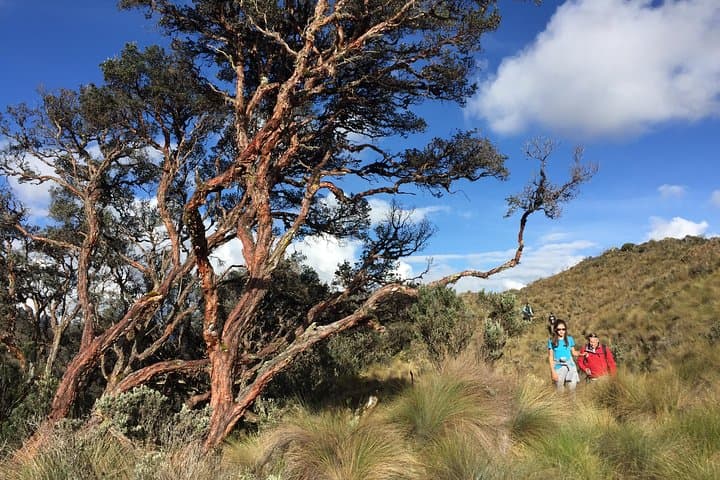
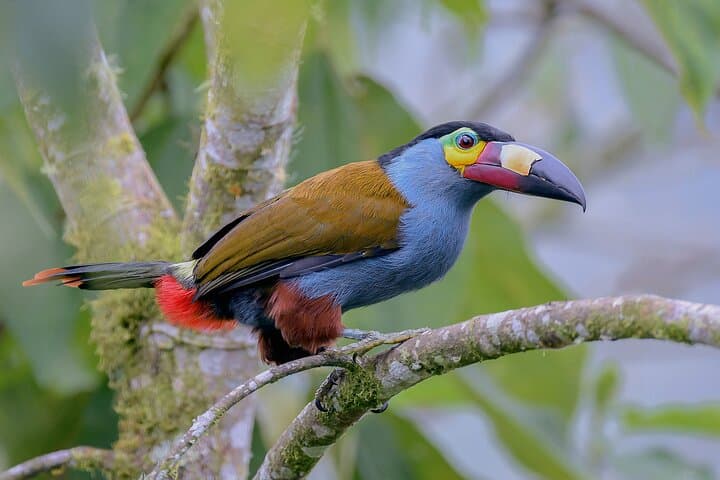
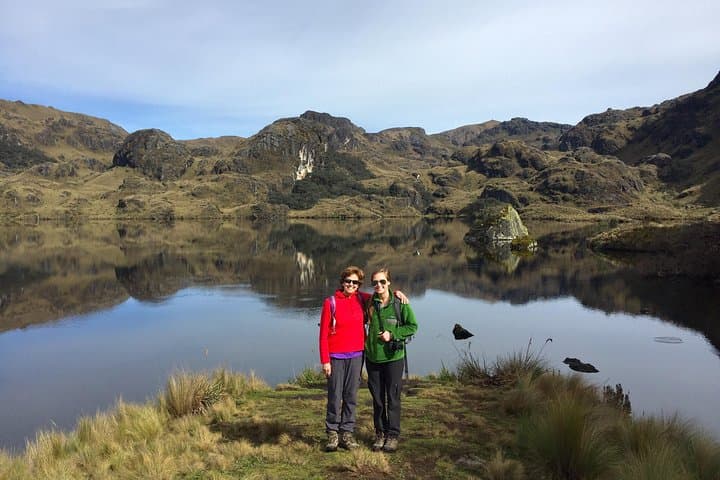
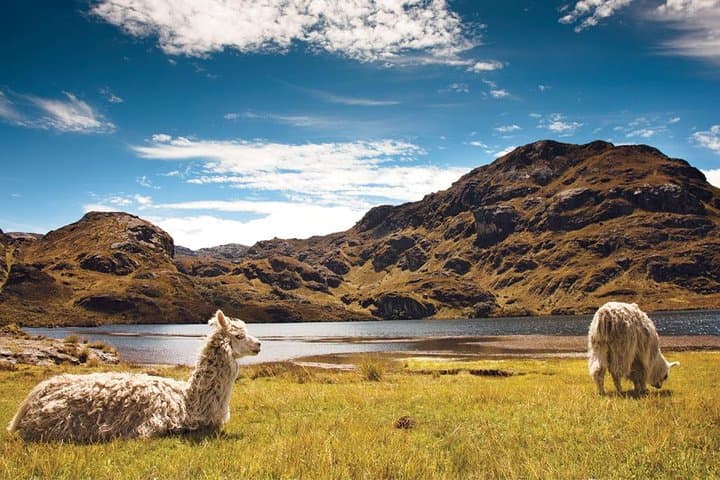
You leave Cuenca behind and climb into a high, wind-swept world where clouds thread through moss-draped trees and bright lakes blink under a quicksilver sky. The trail begins in montane cloud forest—damp air, dripping epiphytes, narrow paths that force you to slow—and shifts upward to open páramo where wind and long grasses set the pace. By mid-day you’re walking beside tarns and peatlands, then through a grove of Polylepis—the gnarled, papery-barked trees that survive at some of the highest treelines in the world.
You leave Cuenca behind and climb into a high, wind-swept world where clouds thread through moss-draped trees and bright lakes blink under a quicksilver sky. The trail begins in montane cloud forest—damp air, dripping epiphytes, narrow paths that force you to slow—and shifts upward to open páramo where wind and long grasses set the pace. By mid-day you’re walking beside tarns and peatlands, then through a grove of Polylepis—the gnarled, papery-barked trees that survive at some of the highest treelines in the world.
Cajas National Park is carved from glacial action and holds the continental water divide that channels headwaters toward both the Pacific and Amazon basins. Indigenous peoples historically moved herds across these highlands; today the park supplies much of Cuenca’s water. Geology and climate combine to create fragile peat bogs and a mosaic of small lakes (lagunas) dotted across the moor.
Expect varied terrain: uneven forest steps, exposed peat trails, and highland meadows. The full-day itinerary typically covers several kilometers of walking across altitudes roughly between 3,100 and 4,400 meters. Guides stop at viewpoints, explain Polylepis ecology, and finish with a traditional lunch near the park rim before returning to Cuenca.
Practical edge: dress in layers, carry sun protection and rain gear, and pace yourself—altitude is the real challenge here. Comfortable hiking shoes, water and snacks, and a willingness to move slowly through shifting weather will make the day memorable and safe.