THE ADVENTURE COLLECTIVE® · Independent discovery and booking for outdoor travel

A private day hike from Ulaanbaatar that climbs through Siberian forest and alpine meadows to Tsetsee Gun (2,256 m), combining mountain views with a visit to 18th-century Manzushir Monastery. Expect moderate terrain, granite cliffs, and a summit picnic.
A private day hike from Ulaanbaatar that climbs through Siberian forest and alpine meadows to Tsetsee Gun (2,256 m), combining mountain views with a visit to 18th-century Manzushir Monastery. Expect moderate terrain, granite cliffs, and a summit picnic.
The day begins on the rim of Ulaanbaatar as the city falls behind and the Bogd Khan slopes step forward—forest first, then meadow, then a spine of granite that dares you higher.
Verified experiences and guided adventures in the surrounding area.
Operated by Mongolia Trekking · Ulaanbaatar, Ulaanbaatar
The day begins on the rim of Ulaanbaatar as the city falls behind and the Bogd Khan slopes step forward—forest first, then meadow, then a spine of granite that dares you higher.
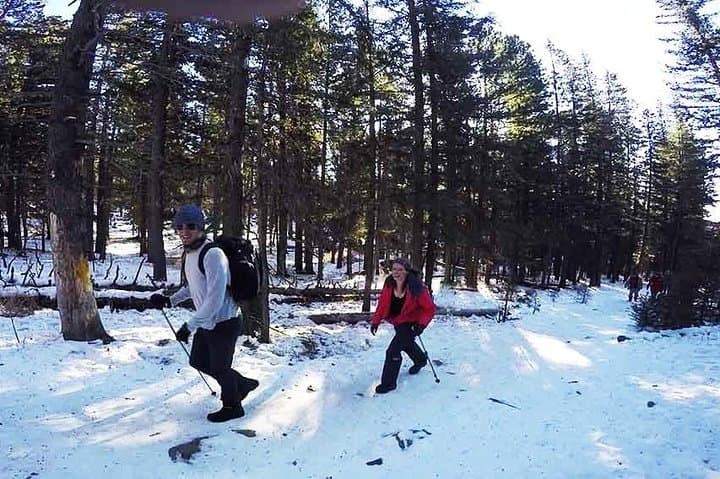
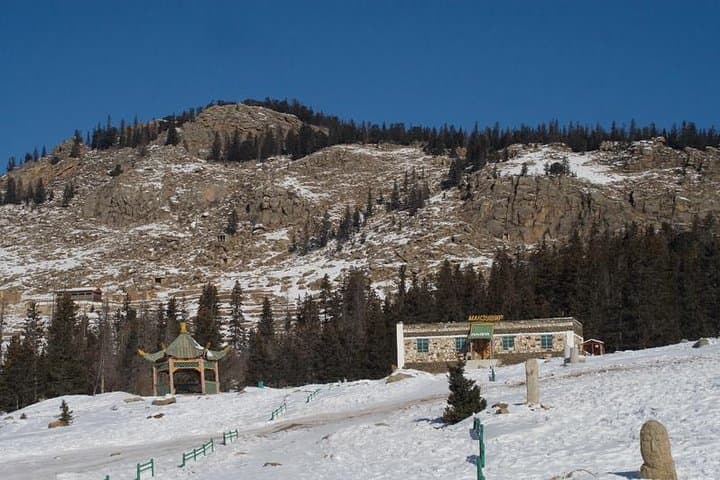
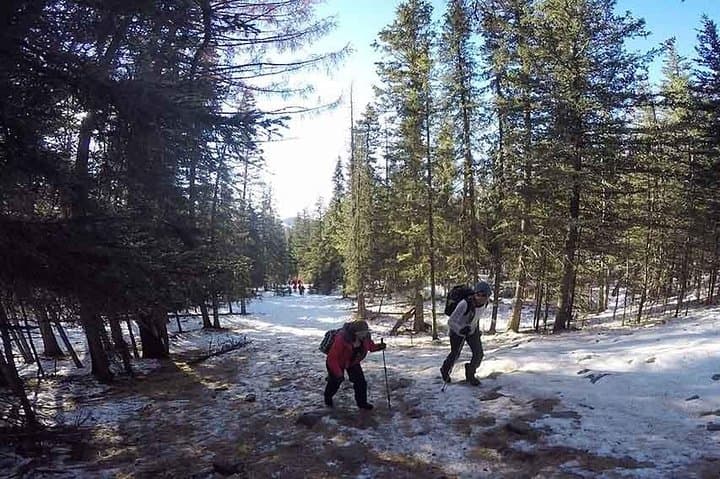
From the ruins of Manzushir Monastery the trail climbs through mixed larch and pine, opening into alpine grassland and finally a rocky approach to Tsetsee Gun (2,256 m). Geologically the range is an outcrop of ancient granite and metamorphic rock that resists erosion; the cliffs near the summit offer sudden exposure after long, shaded stretches. Historically this landscape has been protected for centuries—Bogd Khan Uul is one of the world’s oldest legally protected natural areas—and the monastery at the trailhead dates to 1733, later damaged in the 1930s and now partly restored as a museum.
Culture and nature meet here: local guides point out stone terraces and cliff niches used by earlier devotees, while Siberian forest birds and occasional marmots animate the underbrush. The ascent is steady—expect roughly 900 m of elevation gain from the monastery approach—and a 3–4 hour round-trip hike to the peak on moderate, sometimes rocky singletrack.
Practical guidance: start early for stable weather and softer light, bring 2–3 liters of water, and use sturdy boots for the granite sections. Lunch on the summit is standard; the peak’s winds can be sharp, so layer up. The excursion typically includes private transport and guiding; a minimum of two people is required for bookings. This is a day of clear climbs, quiet temples, and open views back to Mongolia’s capital.
moderate.
7–9 hours.
Suitable for hikers with moderate fitness able to sustain steady uphill walking for several hours and manage a ~900 m elevation gain.
The guided hike portion typically takes 3–4 hours round-trip to the peak from the monastery area, within a full-day (7–9 hour) excursion including transport and visits.
It’s rated moderate—beginning hikers with good basic fitness can do it, but those with limited cardiovascular fitness or knee/back issues should avoid it.
Entrance and site fees are generally handled by the tour operator and included in the excursion; confirm at booking for any updates.
Expect forest birds and small mammals such as marmots; larger ungulates are possible but less common near the busiest trails.
Manzushir Monastery was founded in 1733; much was destroyed during 1930s anti-religion campaigns, though the main temple has been restored and serves as a museum.
Bogd Khan Uul is a strictly protected natural park—stick to trails, pack out all trash, and follow guide instructions to minimize impact.
Mongolia Trekking operates guided outdoor trips and adventures with an emphasis on safety, stewardship, and memorable experiences.
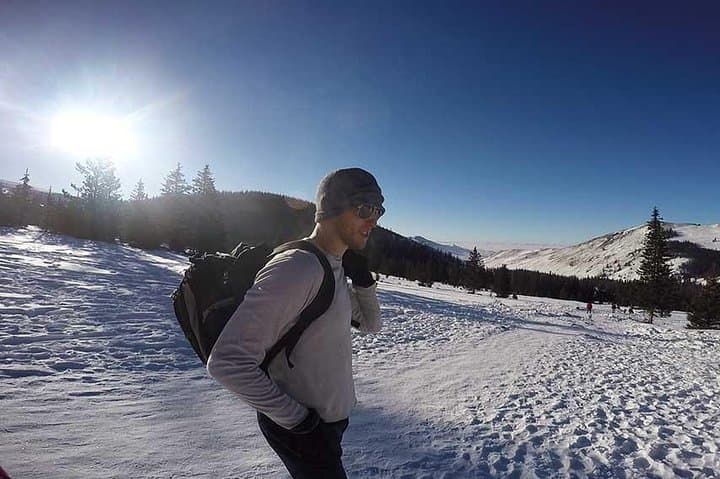
The day begins on the rim of Ulaanbaatar as the city falls behind and the Bogd Khan slopes step forward—forest first, then meadow, then a spine of granite that dares you higher.
The day begins on the rim of Ulaanbaatar as the city falls behind and the Bogd Khan slopes step forward—forest first, then meadow, then a spine of granite that dares you higher.
From the ruins of Manzushir Monastery the trail climbs through mixed larch and pine, opening into alpine grassland and finally a rocky approach to Tsetsee Gun (2,256 m). Geologically the range is an outcrop of ancient granite and metamorphic rock that resists erosion; the cliffs near the summit offer sudden exposure after long, shaded stretches. Historically this landscape has been protected for centuries—Bogd Khan Uul is one of the world’s oldest legally protected natural areas—and the monastery at the trailhead dates to 1733, later damaged in the 1930s and now partly restored as a museum.
Culture and nature meet here: local guides point out stone terraces and cliff niches used by earlier devotees, while Siberian forest birds and occasional marmots animate the underbrush. The ascent is steady—expect roughly 900 m of elevation gain from the monastery approach—and a 3–4 hour round-trip hike to the peak on moderate, sometimes rocky singletrack.
Practical guidance: start early for stable weather and softer light, bring 2–3 liters of water, and use sturdy boots for the granite sections. Lunch on the summit is standard; the peak’s winds can be sharp, so layer up. The excursion typically includes private transport and guiding; a minimum of two people is required for bookings. This is a day of clear climbs, quiet temples, and open views back to Mongolia’s capital.