THE ADVENTURE COLLECTIVE® · Independent discovery and booking for outdoor travel

Drive the famous Transfagarasan to Balea Lake, then hike into the glacial cirques of the Făgăraș Massif. This guided day trek offers quick alpine exposure, rocky trails, and sweeping views without the need for multi-day logistics.
Drive the famous Transfagarasan to Balea Lake, then hike into the glacial cirques of the Făgăraș Massif. This guided day trek offers quick alpine exposure, rocky trails, and sweeping views without the need for multi-day logistics.
You step out at Balea Lake beneath a strip of sky cut by the Transfagarasan road, its switchbacks clinging to the mountain like a ribbon. Cold air bites at 2,030 m and the first steps climb left of a glacial dale; stone underfoot is a mixture of scree and packed trails, and the road below hums with distant traffic and the occasional motorcycle echo.
Verified experiences and guided adventures in the surrounding area.
Operated by Romania Tour Store · Sibiu, Sibiu County
You step out at Balea Lake beneath a strip of sky cut by the Transfagarasan road, its switchbacks clinging to the mountain like a ribbon. Cold air bites at 2,030 m and the first steps climb left of a glacial dale; stone underfoot is a mixture of scree and packed trails, and the road below hums with distant traffic and the occasional motorcycle echo.
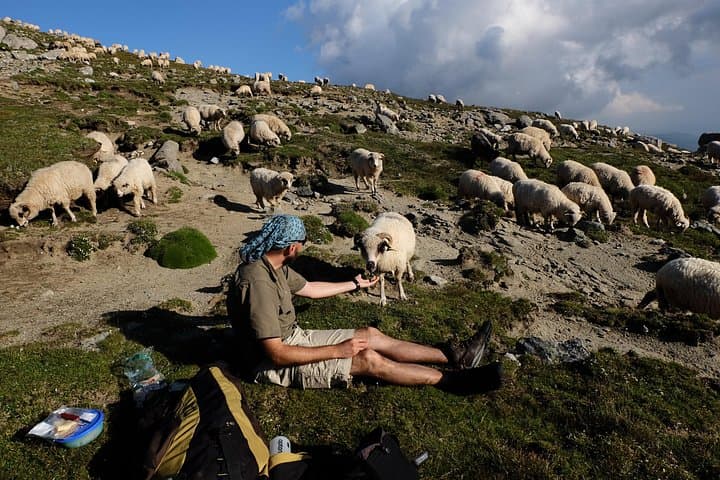
The route threads the Făgăraș Massif, part of the Southern Carpathians, where glaciers once carved sharp cirques and left behind high tarns. The modern road — built in the 1970s to connect regions and support strategic transport — now serves as the dramatic approach to these alpine slopes. Local shepherding and seasonal grazing shaped the meadow rims; villages in the valley preserve Saxon and Romanian mountain crafts and cuisine.
Expect a straightforward climb: you start at about 2,030 m and gain roughly 320 m to reach near 2,351 m in about two hours on a medium-paced hike. Trails are rocky with occasional snowfields early or late in season; visibility and weather can change fast.
Practical edge: this is a guided, private tour running mid-June to mid-October. Wear sturdy hiking boots, carry a waterproof layer, and pack warm mid-layers — afternoons are often windy and wet. Bring water, snacks, and sun protection; your guide will advise whether to extend toward higher Făgăraș ridges based on ability and conditions. Finish with a descent to Balea Lake for lunch and a drive back to Sibiu — a compact alpine day that combines high-road scenery with pragmatic mountain travel.
moderate.
4–6 hours.
Moderate fitness recommended: able to hike 2–4 hours with 300–400 m of sustained ascent.
The standard climb from the 2,030 m trailhead to roughly 2,351 m takes about 1.5–2.5 hours depending on pace and conditions.
The road and lake access are typically open from about 15 June until 15 October, weather permitting; outside those dates the pass is usually closed by snow.
There are easy and medium options; beginners in good health can do the easier route, but a moderate fitness level and proper footwear are required.
Altitude here is modest (around 2,000–2,350 m) so severe altitude sickness is unlikely, but rapid weather shifts demand waterproof layers and flexible plans; guides monitor conditions closely.
The Transfagarasan was constructed in the early 1970s to link regions and for strategic mobility; today it serves motorists and access to high-mountain trails.
Stick to trails and avoid trampling fragile alpine vegetation; seasonal grazing and road traffic increase erosion, so group sizes and established paths help minimize impact.
Romania Tour Store operates guided outdoor trips and adventures with an emphasis on safety, stewardship, and memorable experiences.
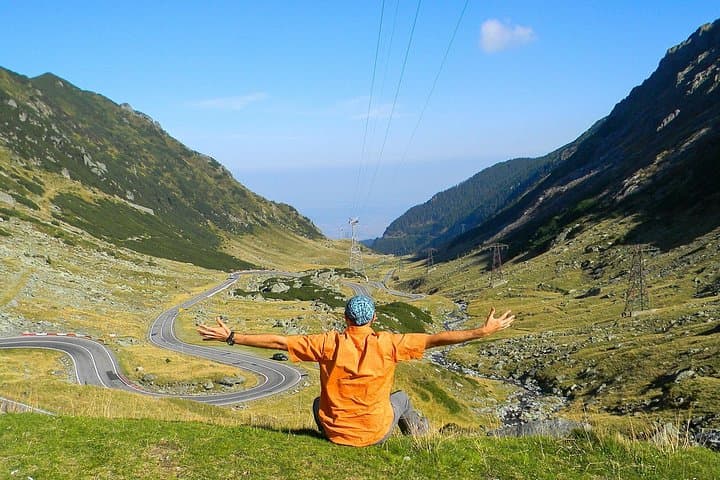
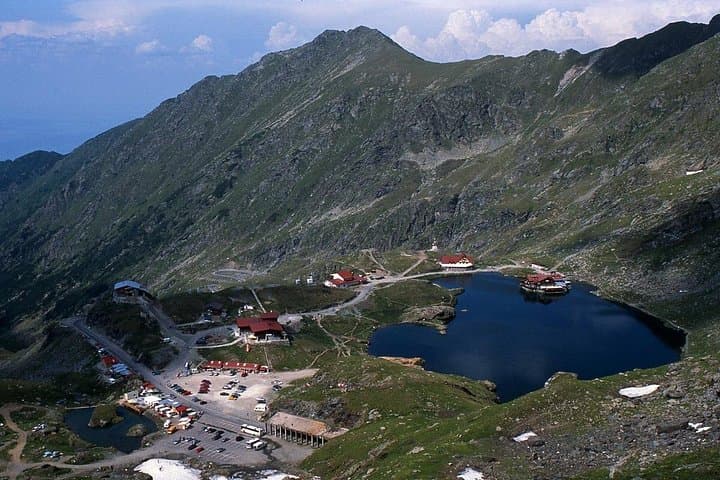
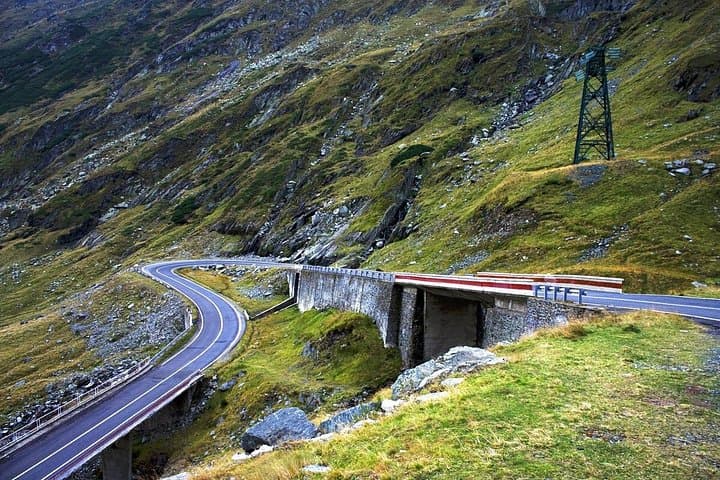
You step out at Balea Lake beneath a strip of sky cut by the Transfagarasan road, its switchbacks clinging to the mountain like a ribbon. Cold air bites at 2,030 m and the first steps climb left of a glacial dale; stone underfoot is a mixture of scree and packed trails, and the road below hums with distant traffic and the occasional motorcycle echo.
You step out at Balea Lake beneath a strip of sky cut by the Transfagarasan road, its switchbacks clinging to the mountain like a ribbon. Cold air bites at 2,030 m and the first steps climb left of a glacial dale; stone underfoot is a mixture of scree and packed trails, and the road below hums with distant traffic and the occasional motorcycle echo.
The route threads the Făgăraș Massif, part of the Southern Carpathians, where glaciers once carved sharp cirques and left behind high tarns. The modern road — built in the 1970s to connect regions and support strategic transport — now serves as the dramatic approach to these alpine slopes. Local shepherding and seasonal grazing shaped the meadow rims; villages in the valley preserve Saxon and Romanian mountain crafts and cuisine.
Expect a straightforward climb: you start at about 2,030 m and gain roughly 320 m to reach near 2,351 m in about two hours on a medium-paced hike. Trails are rocky with occasional snowfields early or late in season; visibility and weather can change fast.
Practical edge: this is a guided, private tour running mid-June to mid-October. Wear sturdy hiking boots, carry a waterproof layer, and pack warm mid-layers — afternoons are often windy and wet. Bring water, snacks, and sun protection; your guide will advise whether to extend toward higher Făgăraș ridges based on ability and conditions. Finish with a descent to Balea Lake for lunch and a drive back to Sibiu — a compact alpine day that combines high-road scenery with pragmatic mountain travel.