THE ADVENTURE COLLECTIVE® · Independent discovery and booking for outdoor travel

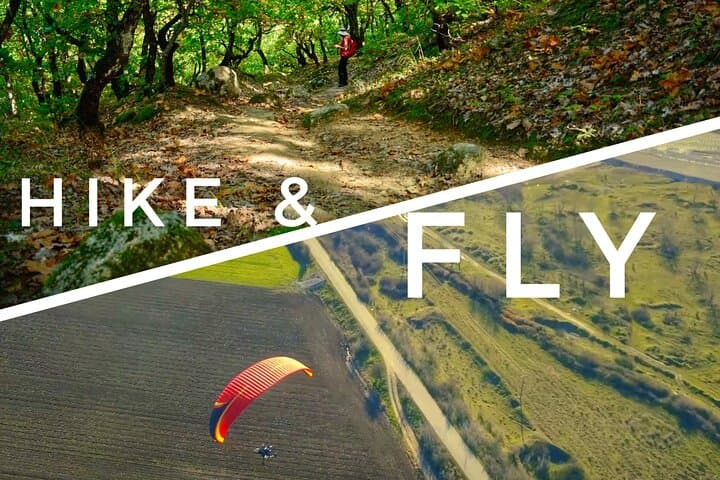
Combine a morning hike across Meteora’s ancient monastery trails with an afternoon powered paratrike flight. Walk old stone paths to Great Meteoron, then ascend above the rock forest for 15–20 minutes of aerial panorama.
Combine a morning hike across Meteora’s ancient monastery trails with an afternoon powered paratrike flight. Walk old stone paths to Great Meteoron, then ascend above the rock forest for 15–20 minutes of aerial panorama.
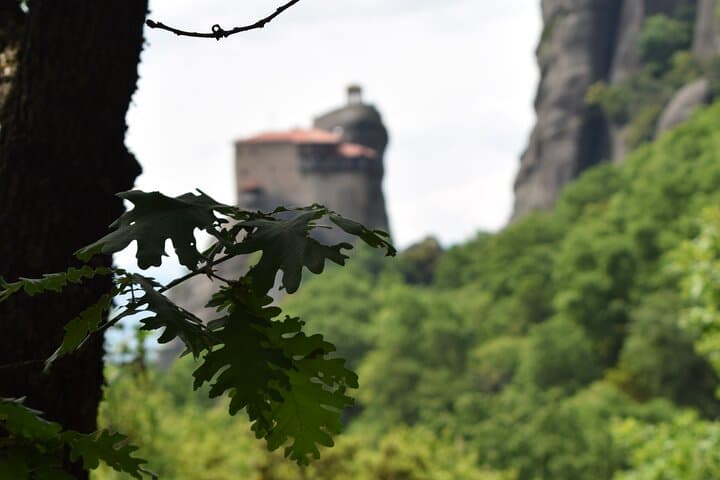
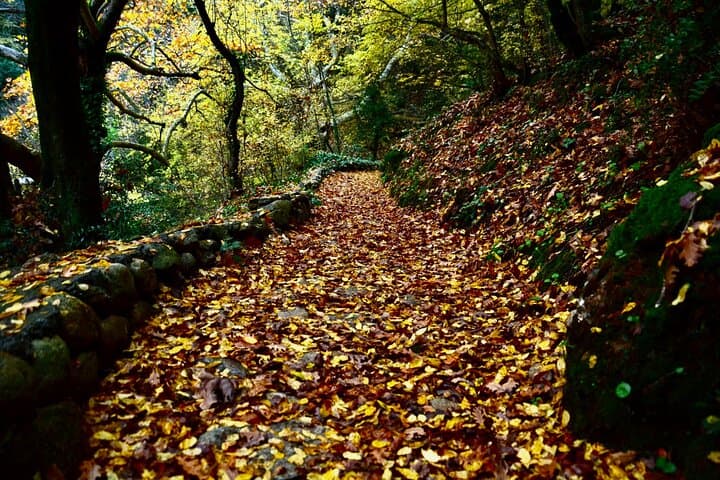
Morning light cuts across vertical sandstone spires as you set out from the Monastery of Saint Nicolas, boots finding old stone steps and narrow footpaths carved between sheer cliffs. The rocks breathe history here—14th-century monasteries clinging to summits, courtyards that once rang with chanting, and cliff faces smoothed by millennia of wind and rain.
Verified experiences and guided adventures in the surrounding area.
Operated by Meteora Fly Adventures · Kalambaka, Thessaly
Morning light cuts across vertical sandstone spires as you set out from the Monastery of Saint Nicolas, boots finding old stone steps and narrow footpaths carved between sheer cliffs. The rocks breathe history here—14th-century monasteries clinging to summits, courtyards that once rang with chanting, and cliff faces smoothed by millennia of wind and rain.
Geology shows in plain view: layered conglomerate and sandstone lifted and eroded into a maze of towers and pinnacles. Culturally, Meteora is both a spiritual refuge and an engineering feat—the monks who built great monasteries here relied on ropes, pulleys and sheer will to reach the summits centuries ago.
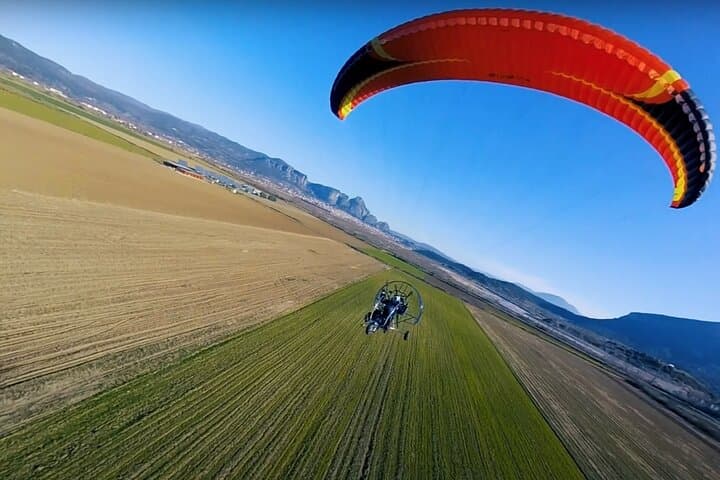
This combined outing pairs a 4-hour guided hike across the northern side of Meteora—roughly 6–8 km with about 250–400 m cumulative elevation gain over rocky, uneven terrain—with a late-afternoon motorized paratrike flight. The powered flight lasts 15–20 minutes per person, lifting you above the “rock forest” for sweeping views of Great Meteoron, Varlaam and the valley below.
Expect exposed ledges, loose scree, and occasional steep stone steps; sturdy footwear and steady footing matter more than technical climbing skills. The flight element requires minimal fitness but attention to pilot briefing and weight limits; the breeze and engine note will reframe the valley from a quiet labyrinth into a moving landscape.
Plan water, sun protection and a flexible schedule—weather can shift mountain thermals quickly. Together, the hike and flight make Meteora tactile and panoramic: you feel the rock underfoot, then watch it fall away beneath you.
moderate.
4 hours (hike + flight, spread across the day).
Moderate fitness—comfortable with 6–8 km of uneven trails, some climbs and stone steps; flight requires minimal exertion.
Flights last approximately 15–20 minutes per person; the exact timing depends on weather and group logistics.
Yes—trail sections are non-technical but include uneven rock and steps; a basic level of fitness and surefootedness is recommended.
Participants must provide weight during booking and follow operator limits; children under specific ages may have restrictions—confirm when booking.
If bad weather cancels flights, the operator will typically reschedule or offer a full refund if rescheduling isn’t possible.
Meteora’s monasteries date back to the 14th century when ascetic monks sought isolation atop the pillars; many sites were accessible only by ropes and nets historically.
Meteora is a UNESCO World Heritage site with visitor limits and protected trails—stick to marked paths and avoid disturbing flora and archaeological features.
Meteora Fly Adventures operates guided outdoor trips and adventures with an emphasis on safety, stewardship, and memorable experiences.
Morning light cuts across vertical sandstone spires as you set out from the Monastery of Saint Nicolas, boots finding old stone steps and narrow footpaths carved between sheer cliffs. The rocks breathe history here—14th-century monasteries clinging to summits, courtyards that once rang with chanting, and cliff faces smoothed by millennia of wind and rain.
Morning light cuts across vertical sandstone spires as you set out from the Monastery of Saint Nicolas, boots finding old stone steps and narrow footpaths carved between sheer cliffs. The rocks breathe history here—14th-century monasteries clinging to summits, courtyards that once rang with chanting, and cliff faces smoothed by millennia of wind and rain.
Geology shows in plain view: layered conglomerate and sandstone lifted and eroded into a maze of towers and pinnacles. Culturally, Meteora is both a spiritual refuge and an engineering feat—the monks who built great monasteries here relied on ropes, pulleys and sheer will to reach the summits centuries ago.
This combined outing pairs a 4-hour guided hike across the northern side of Meteora—roughly 6–8 km with about 250–400 m cumulative elevation gain over rocky, uneven terrain—with a late-afternoon motorized paratrike flight. The powered flight lasts 15–20 minutes per person, lifting you above the “rock forest” for sweeping views of Great Meteoron, Varlaam and the valley below.
Expect exposed ledges, loose scree, and occasional steep stone steps; sturdy footwear and steady footing matter more than technical climbing skills. The flight element requires minimal fitness but attention to pilot briefing and weight limits; the breeze and engine note will reframe the valley from a quiet labyrinth into a moving landscape.
Plan water, sun protection and a flexible schedule—weather can shift mountain thermals quickly. Together, the hike and flight make Meteora tactile and panoramic: you feel the rock underfoot, then watch it fall away beneath you.